
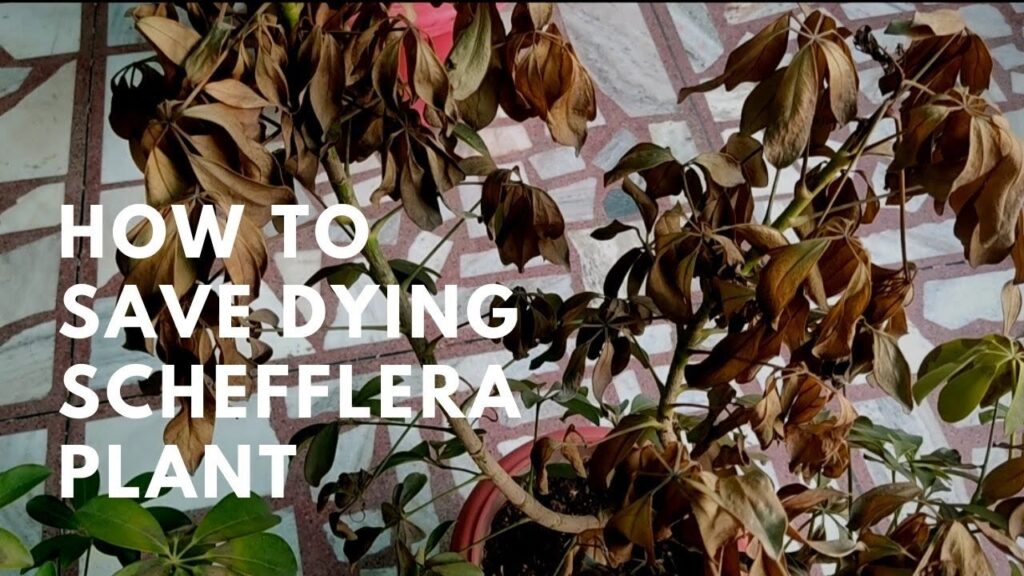
Learn how to revive a dying schefflera using a proven root recovery method. DH Garden Centre explains step-by-step how hydrogen peroxide helps stressed houseplants recover.
Introduction: When a Plant Looks Hopeless, But Isn’t
Sometimes, even the saddest plants can come back to life.
Most people throw them away.
Yellow leaves, weak stems, roots barely holding on, it looks like the end.
But for experienced growers, this is often the moment where recovery is still possible.
At DH Garden Centre, we see this scenario frequently with schefflera, also known as the umbrella plant. These plants are resilient, but when their roots are compromised, they decline fast. The good news is that root failure does not always mean plant failure.
This guide walks you through a proven, low-risk method to revive a dying schefflera using proper root cleaning, oxygenation, and controlled aftercare.
This method works regardless of what caused the damage : overwatering, compacted soil, poor drainage, or neglect as long as the plant still has the will to fight.

Understanding the Schefflera’s Survival Instinct
Schefflera plants are tropical by nature. Their strength lies in their ability to regenerate roots quickly when given oxygen, moisture control, and stability.
However, they fail under three conditions:
-
Oxygen-starved roots
-
Constant moisture
-
Compacted, exhausted soil
Most “dead” schefflera plants are actually suffocating, not diseased.
Step 1: Remove the Plant From Its Old Soil Completely
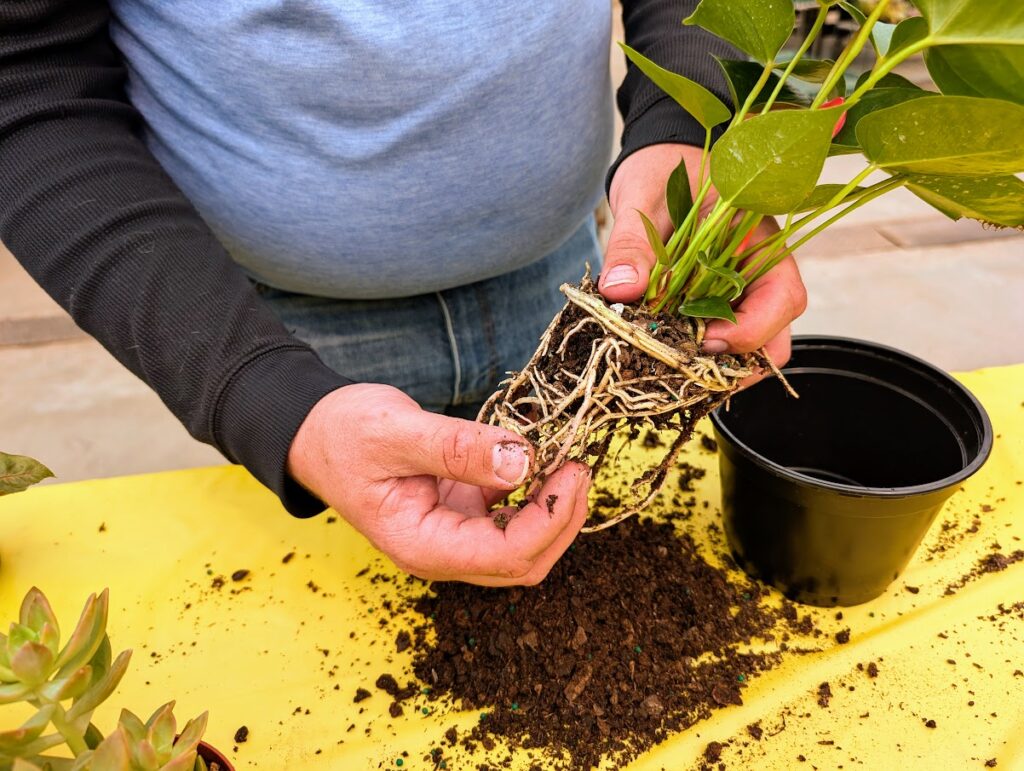
The first and most important step in schefflera care recovery is total soil removal.
Why This Matters
Old soil often contains:
-
Decomposing organic matter
-
Anaerobic bacteria
-
Fungal spores
-
Salts from fertilizers
Leaving even part of this soil attached slows recovery.
What to Do
-
Gently remove the plant from its pot
-
Rinse roots under room-temperature water
-
Remove all old soil, even if roots appear fragile
Even weak roots recover better when nothing holds them back.
What remains may look pitiful — thin roots, limited mass — but that is enough.
Step 2: Assess the Roots Honestly
Healthy roots are:
-
Firm
-
Light beige to pale brown
-
Flexible, not mushy
Unhealthy roots are:
-
Black or dark brown
-
Soft
-
Smell unpleasant
Trim away anything clearly rotting. This prevents decay from spreading.
Do not over-trim. A struggling plant still needs living tissue to recover.
Step 3: Oxygen Therapy Using Hydrogen Peroxide
This is the turning point.
Why Hydrogen Peroxide Works
3% hydrogen peroxide breaks down into:
-
Oxygen
-
Water
This does three things:
-
Increases oxygen around roots
-
Suppresses harmful bacteria
-
Encourages new root growth
This is not fertilizer. It is root first aid.
Correct Ratio
-
1 teaspoon of 3% hydrogen peroxide
-
1.5 liters of room-temperature water
More is not better. Overuse can damage tissue.
Step 4: Root Soak for Recovery
Gently place the cleaned schefflera roots into the solution.
Duration
-
30 minutes only
This allows oxygen to penetrate without stressing the plant.
At this stage, the plant is not growing, it is recovering.
Give it time.
Step 5: Water-Only Recovery Phase
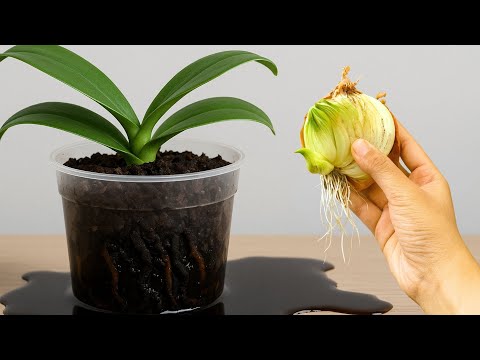
After soaking, place the plant in:
-
A clean container
-
Plain water only
-
No fertilizer
-
No soil
This allows:
-
Visual monitoring of roots
-
Maximum oxygen availability
-
Minimal stress
Place the container in:
-
Bright, indirect light
-
Stable temperature
-
No drafts
Patience Is the Real Technique
Over the next weeks:
-
Do not change the water unless it smells or clouds
-
Do not add nutrients
-
Do not disturb roots
Recovery often looks like nothing is happening.
Then, one day, you will see it.
The First Sign of Success: New Leaves
After about one month:
-
Roots stabilize
-
Leaves regain color
-
New growth appears
Tiny variegated leaves emerging are the clearest sign that the schefflera has chosen to live.
This is the moment to prepare for soil again.
Step 6: Choosing the Right Pot and Soil
Pot Selection
-
Choose a container just slightly larger than the root mass
-
Drainage holes are mandatory
Soil Mix
For optimal schefflera care:
-
Universal peat-based soil
-
Perlite for airflow
-
Optional expanded clay at the base for drainage
Heavy, dense soil will undo all progress.
Step 7: Repotting Without Killing the Plant
Key Rule
Never bury the stem base too deep.
This is a common mistake and causes silent rot.
First Watering
-
Use plain water with 1 teaspoon hydrogen peroxide per liter
-
This supports roots after transplant shock
After that:
-
Water only when the top layer of soil feels dry
-
Keep moisture balanced, not constant
What About Cuttings From Weak Plants?
In this case, the top cutting did not survive.
This is normal.
Weak or stressed cuttings rarely root successfully. Propagation works best on healthy plants. Failure here is not a mistake — it is biology.
Common Mistakes That Kill Recovering Schefflera
-
Overwatering during recovery
-
Using heavy soil
-
Repotting into oversized pots
-
Burying the stem base
-
Adding fertilizer too early
-
Moving the plant frequently
Stability is more important than stimulation.

FAQ: Reviving a Dying Schefflera
Can hydrogen peroxide save root rot?
Yes, when used correctly and early. It increases oxygen and reduces harmful microbes.
How often can I use hydrogen peroxide?
Only during recovery or repotting. Not as routine watering.
Can this method revive other houseplants?
Yes. It works well for many tropical plants with root stress.
When can I fertilize again?
Wait until new growth is stable and leaves harden.
Why DH Garden Centre Recommends This Method
At DH Garden Centre, we prioritize:
-
Root health over quick fixes
-
Sustainable recovery, not shortcuts
-
Methods backed by experience, not trends
We believe plants deserve a second chance, when there is still life in them.
Before you throw away that struggling plant, pause.
It might only need:
-
Oxygen
-
Clean conditions
-
Time
-
Someone who believes it can recover
Visit DH Garden Centre for:
-
Proper soil mixes
-
Perlite and drainage materials
-
Expert advice on plant recovery
-
Sustainable indoor plant care solutions
There may be someone on your windowsill right now , just waiting for a second chance.

Whether you’re shopping for plant lovers, hunting for meaningful plants, or simply looking to add a touch of green to your own holiday décor, DH Garden Centre has everything you need for a joyful, vibrant, and beautifully green Christmas.
Visit DH Garden Centre today: where the holidays grow brighter, one plant at a time.
Keep reading

Have a plant question? Bring it to the counter.
DH Garden Centre is at 3742 West 10th Avenue in Kitsilano, Vancouver, open 11:00 to 6:30 every day. Bring the plant, or a photo of the spot you want to fill, and we will look at it with you. If you buy a pot here we repot the plant at the counter, soil included up to 5 litres.
