
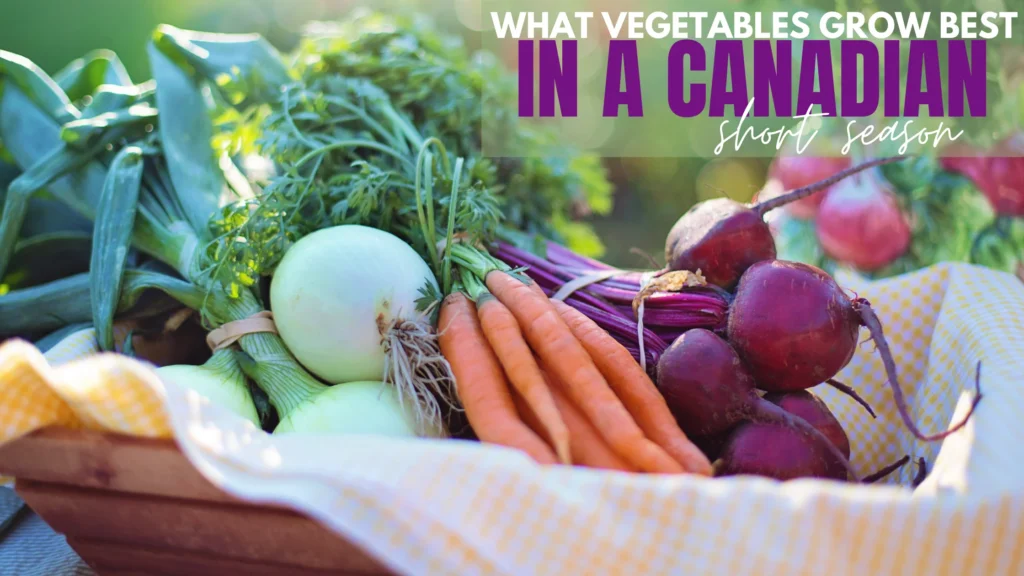
Why Growing Your Own Food Matters More Than Ever
Do you remember the first time you tasted a sun-warmed tomato, freshly picked from your garden?
Or the moment you dug up a basket of golden potatoes you planted months before, thinking:
“Wow… I really grew this?”
In our fast-moving world, where most of what we eat comes from supermarkets and long supply chains, growing your own vegetables feels like taking a step back, yet a step forward in the right direction. Especially in a country like Canada, where short summers and long winters can make gardening feel intimidating, the idea of planting something edible might feel like a distant dream.
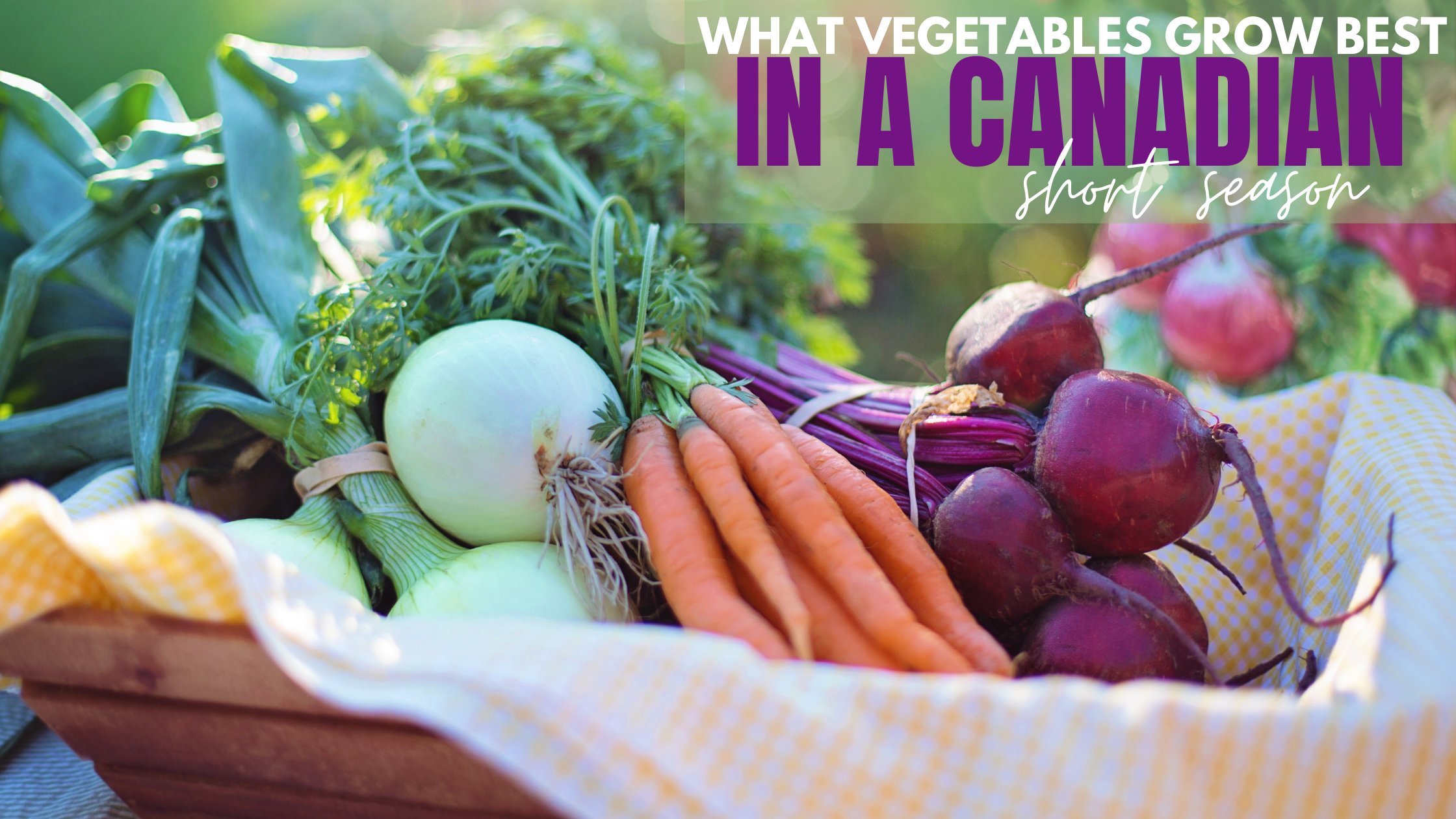
Why Growing Your Own Food Matters More Than Ever
But here’s the truth:
With the right choices, anyone can grow food: even in a small balcony or a patch of backyard.
Whether you’re a seasoned gardener or just starting, these 6 easy vegetables to grow in Canada are perfect for building your skills, boosting your health, and reconnecting with the land beneath your feet.
Let’s begin with the crop that often starts it all…
1. Cherokee Purple Tomato: Taste Summer in Every Bite
There’s a reason tomatoes are often a gateway crop for beginner gardeners.
But not all tomatoes are created equal.
The Cherokee Purple is no ordinary variety. It’s an heirloom tomato with rich, smoky-sweet flavor that puts supermarket tomatoes to shame. Its dusky purple-brown skin and deep red flesh deliver an eating experience that feels like sunshine in every slice.
Why it belongs in your garden:
-
Unmatched flavor: Chefs rave about Cherokee Purple for its bold, full-bodied taste.
-
Nutrient-rich: High in lycopene, Vitamin C, and antioxidants.
-
Great for kids: One plant = family bonding time during morning watering and weekend harvests.
-
Perfect for container gardening: Ideal for patios or balconies with at least 6 hours of sun.
💡 Pro Tip: Start seeds indoors in late March, transplant outdoors after the last frost, and use sturdy cages or trellises for support.

The Cherokee Purple is no ordinary variety: it’s an heirloom tomato with rich, smoky-sweet flavor that puts supermarket tomatoes to shame.
2. Dazzling Blue Kale: Your Cold-Weather Superhero
What’s strong enough to survive Canadian frost and still look like it belongs in a gourmet magazine?
Dazzling Blue Kale (a stunning version of Lacinato kale with deep blue-green leaves and glowing purple veins) is a true cold-season queen.
Why Dazzling Blue is a must-have:
-
Handles -10°C like a champ, and the colder it gets, the sweeter the leaves taste.
-
Nutrient-dense: Vitamin K, C, A, calcium, and antioxidants packed into every leaf.
-
Grows year-round: With low tunnels or mulch, you can harvest well into winter.
-
Beautiful and edible: Perfect for garden borders or balcony planters.
💡 Pro Tip: Sow in early spring or late summer. Harvest outer leaves continuously and let the center regrow, one plant can last months.
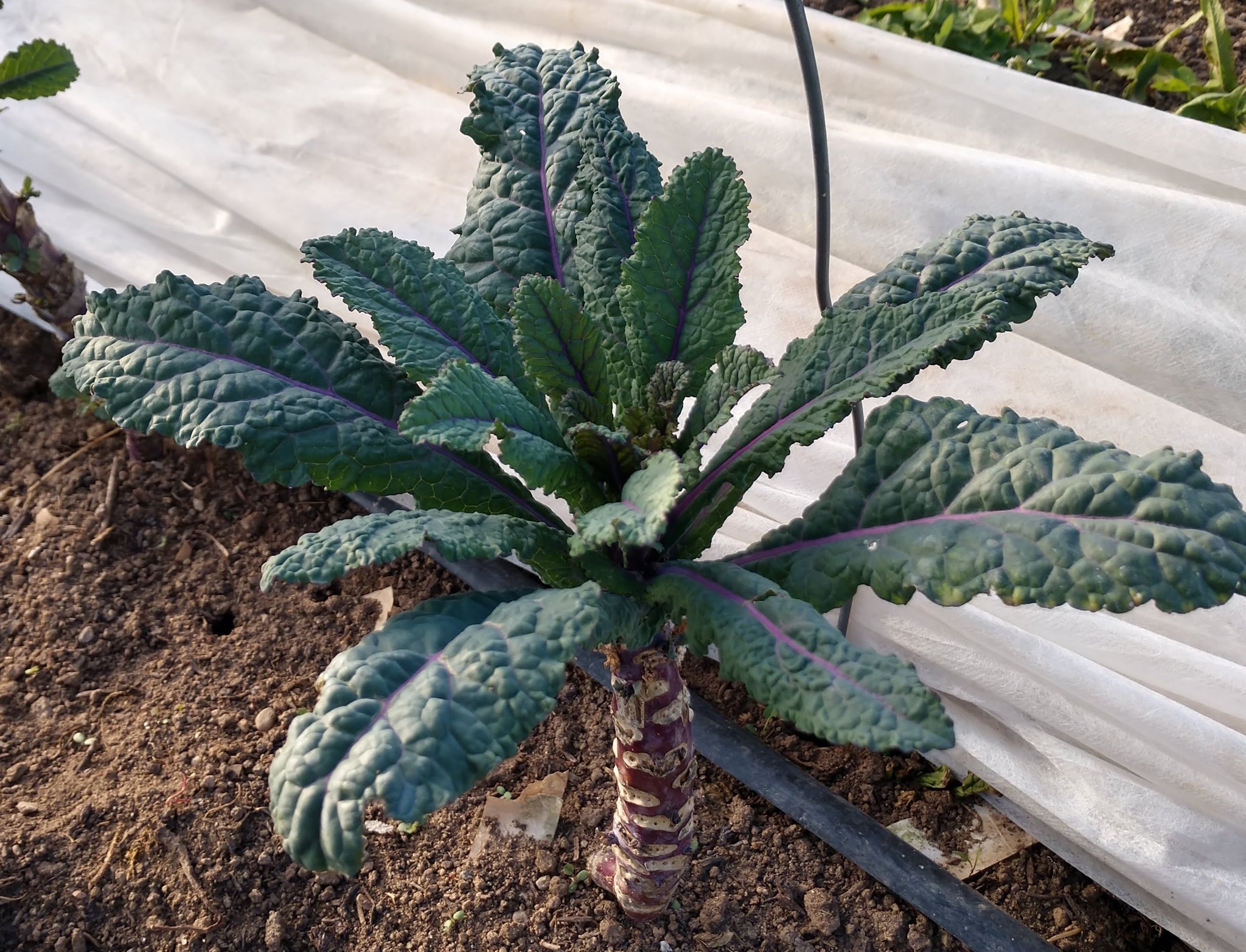
Dazzling Blue Kale (a stunning version of Lacinato kale with deep blue-green leaves and glowing purple veins) is a true cold-season queen.
3. Centercut Squash: The High-Yield Hero
Most gardeners try squash for the first time and end up with more than they can eat: especially with Centercut Squash, a hybrid that grows fast, climbs tall, and delivers a never-ending harvest.
Why it’s perfect for Canadian growers:
-
Dual use: Pick young for tender grilling squash, or mature for long-term winter storage.
-
Pest-resistant: Naturally deters vine borers and requires minimal intervention.
-
Great for trellises: Save ground space by training it vertically.
-
Unbelievably productive: 15 to 20 fruits per plant isn’t uncommon!
💡 Pro Tip: Sow seeds directly in late May. Use companion plants like garlic or marigold nearby to reduce pests organically.
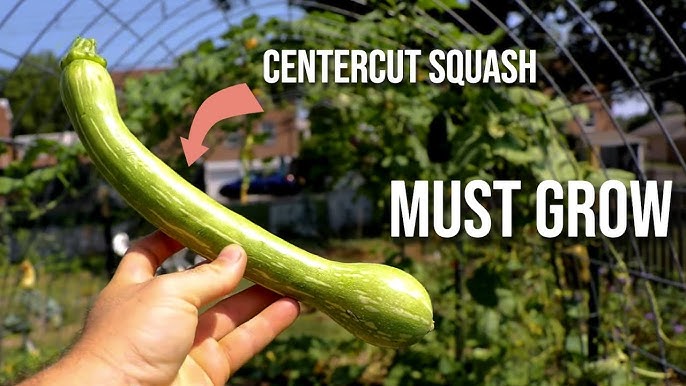
Most gardeners try squash for the first time and end up with more than they can eat: especially with Centercut Squash, a hybrid that grows fast, climbs tall, and delivers a never-ending harvest.
4. Garlic: The Simplest Medicine You Can Grow
Garlic might be one of the easiest vegetables to grow in Canada, and the most powerful.
With antibacterial, antifungal, and heart-healthy properties, garlic not only feeds your body, it also protects your garden by deterring pests.
Why every home garden should grow garlic:
-
Plant once, harvest next summer: Low maintenance and high reward.
-
Long shelf life: Properly cured, garlic stores for 6 to 9 months.
-
Natural garden protector: Repels aphids, rodents, and fungus.
-
Super cost-effective: One clove becomes a full bulb!
💡 Pro Tip: Plant in fall before the ground freezes. Use mulch for insulation and harvest in July when leaves turn yellow.

With antibacterial, antifungal, and heart-healthy properties, garlic not only feeds your body, it also protects your garden by deterring pests.
5. Pole Beans: Maximum Yield in Minimum Space
If you’re tight on space but want big returns, pole beans are your answer.
They climb, they thrive, and they reward you almost daily with tender pods that taste like summer.
Why pole beans are a smart choice:
-
Vertical growth: Ideal for balconies, small gardens, or along fences.
-
Nutrient-rich: High in fiber, iron, and B vitamins.
-
Low-maintenance: Few pests, no complex care, and excellent yield.
-
Soil-improving: Beans fix nitrogen, improving soil health for future crops.
💡 Pro Tip: Direct sow in mid-May. Use a strong trellis and harvest every 2 to 3 days to keep production going.
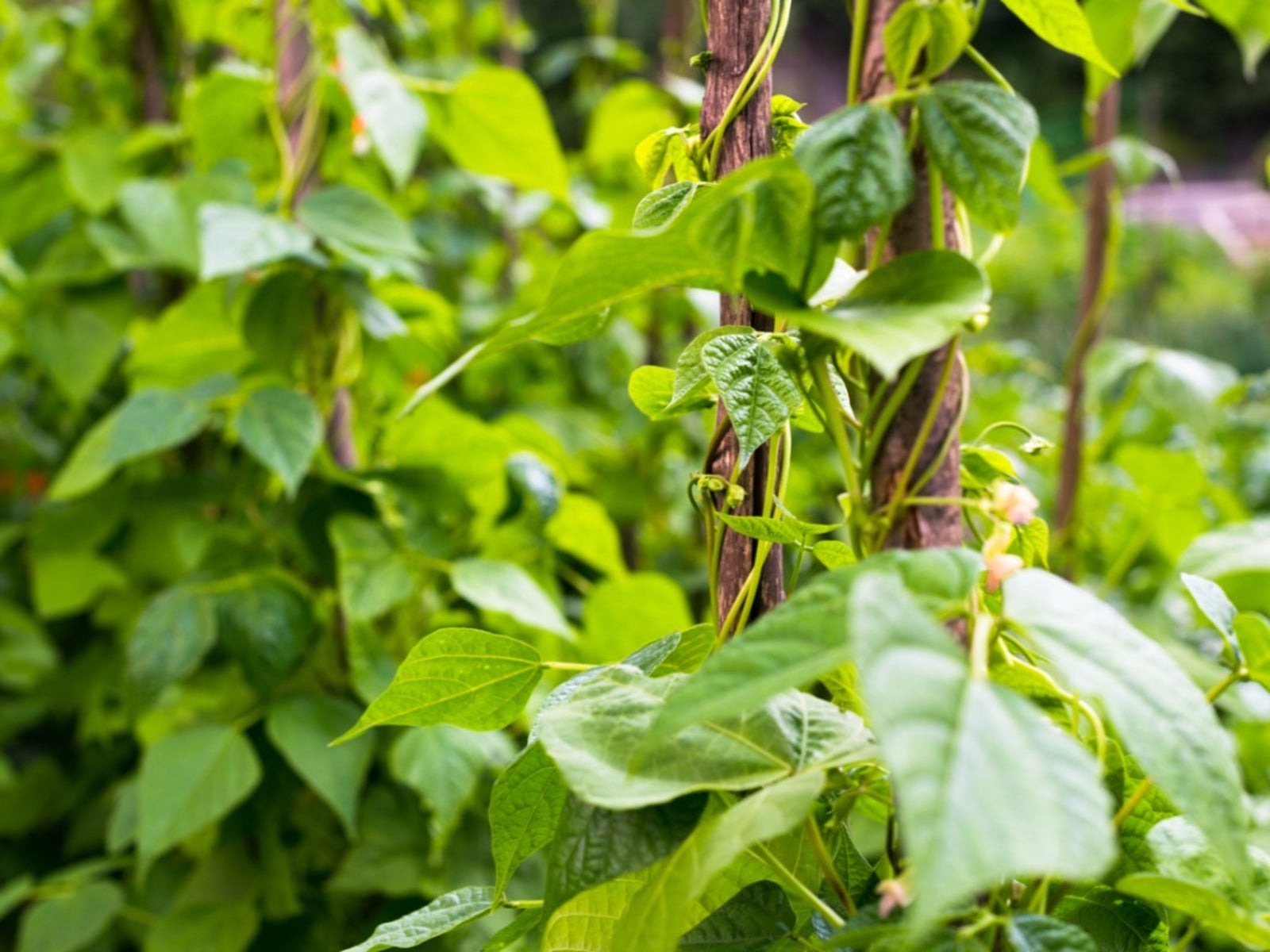
They climb, they thrive, and they reward you almost daily with tender pods that taste like summer.
6. Potatoes: Plant Once, Eat for Months
The humble potato is more than comfort food. It’s a nutritional powerhouse and one of the most satisfying vegetables to harvest.
Every time you dig into a potato bed, it’s like finding gold beneath the soil.
Why you’ll love growing potatoes:
-
Great return: One seed potato = 1 to 2 kg of food.
-
Adaptable: Grows in fabric bags, boxes, or raised beds.
-
Minimal upkeep: No trellis, low watering needs, and tough against pests.
-
Fun for kids: A hands-on harvest that feels like treasure hunting.
💡 Pro Tip: Hill soil around the stems as they grow to increase yield. Harvest when the plants yellow and die back in late summer.
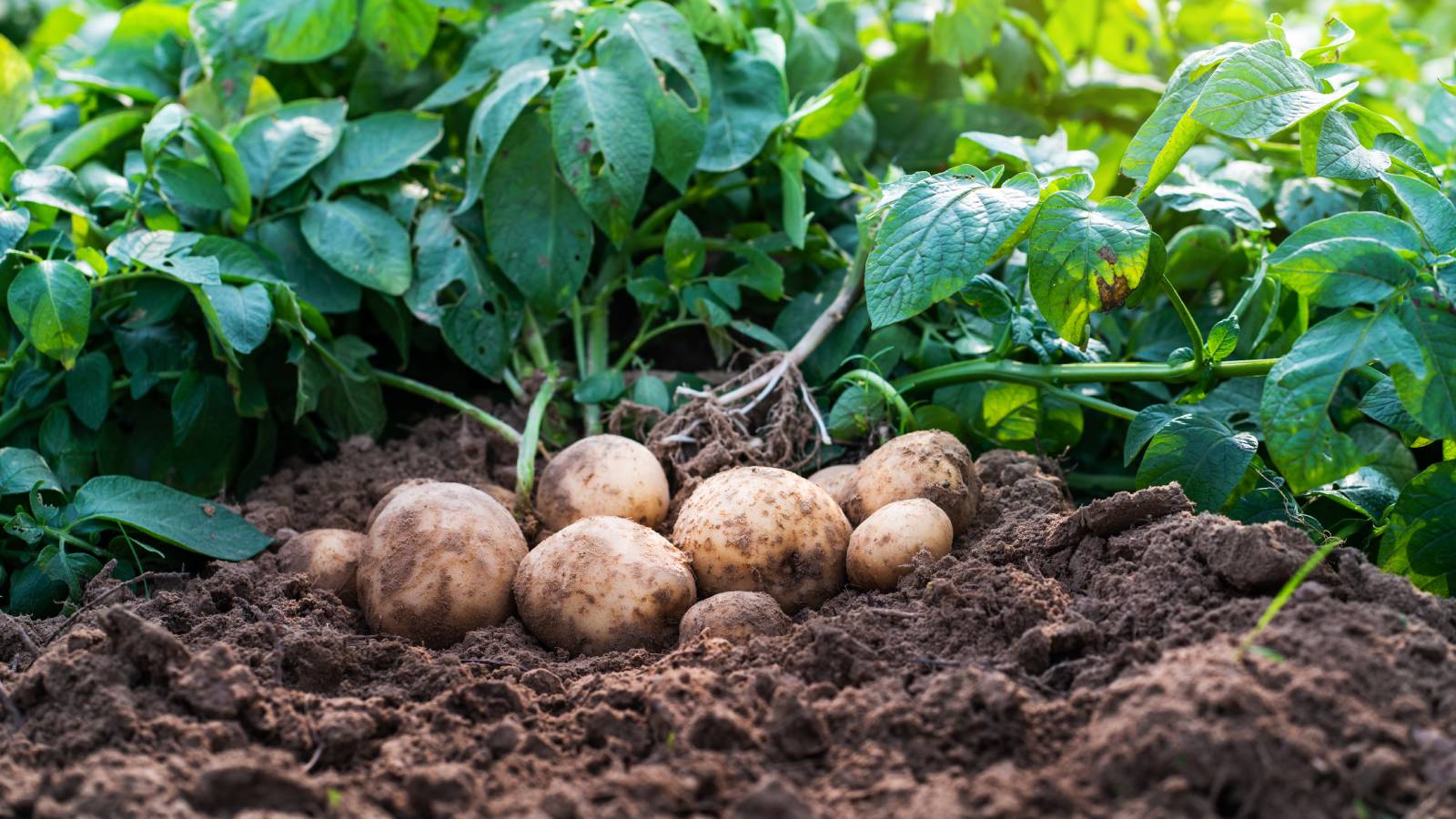
The humble potato is more than comfort food: it’s a nutritional powerhouse and one of the most satisfying vegetables to harvest.
Gardening Isn’t Just About Food: It’s About Reclaiming Your Power
When you grow your own vegetables (especially in a climate like Canada) you’re doing more than saving money.
You’re investing in:
-
Health: More nutrients, fewer chemicals.
-
Resilience: Learning how to provide for yourself.
-
Joy: Reconnecting with nature and creating beautiful, peaceful moments.
Whether you have a balcony, a backyard, or just a few containers, these 6 vegetables offer the perfect place to start.
❓ Frequently Asked Questions (FAQ)
Q1: When is the best time to start growing vegetables in Canada?
The best time to start most vegetables is early spring (March to May), depending on your region. Hardy crops like kale and garlic can even be planted in fall. Use seed-starting indoors for tomatoes and warm-season crops, and transplant after the final frost date.
Q2: Can I grow these vegetables on a balcony or in containers?
Absolutely! Crops like Cherokee Purple tomatoes, kale, potatoes, and pole beans do well in large containers. Make sure you choose containers with good drainage, use high-quality soil, and place them where they’ll get at least 6 hours of sun daily.
Q3: I’m a beginner, how do I know which vegetable to start with?
We always recommend starting with something low-maintenance and satisfying. Try garlic (planted in fall) or dazzling blue kale. They’re forgiving, nutritious, and grow well even in tough conditions.
Q4: How can I protect my vegetable garden from pests?
Use companion planting like garlic near tomatoes or squash to deter pests naturally. Raised beds and row covers also help. At DH Garden Centre, we stock eco-friendly pest control options and provide guidance tailored to your garden.
Q5: Do I need special soil for container gardening?
Yes! Containers need a light, well-draining mix that holds moisture without compacting. We offer custom-blended organic potting mixes ideal for vegetables. Just ask one of our team members for the best match.
Ready to Start Your Gardening Journey?
At DH Garden Centre in Vancouver, we don’t just sell plants. We help you grow a better life.
We offer:
-
High-quality organic seeds for all 6 crops above
-
Custom soil blends perfect for containers or raised beds
-
Grow kits for tomatoes, garlic, and more
-
Expert advice from our team (just bring a photo of your space!)
📍 Visit us at 3742 West 10th Ave, Vancouver
🌐 Or browse online at dhgardencentre.com
Come in, ask questions, and let us help you grow something real.
Keep reading

Have a plant question? Bring it to the counter.
DH Garden Centre is at 3742 West 10th Avenue in Kitsilano, Vancouver, open 11:00 to 6:30 every day. Bring the plant, or a photo of the spot you want to fill, and we will look at it with you. If you buy a pot here we repot the plant at the counter, soil included up to 5 litres.
