
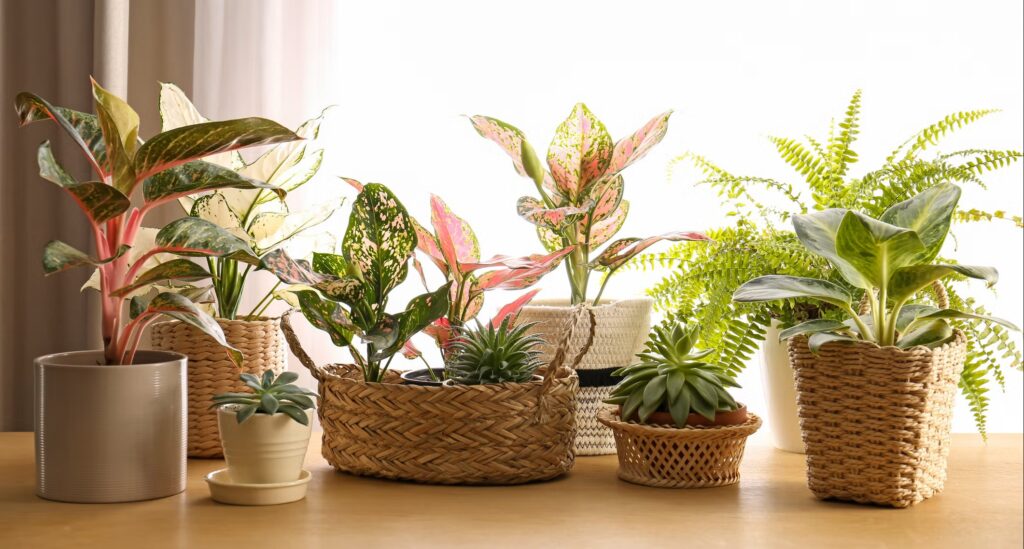
Learn three simple, effective houseplant care tips to keep your indoor plants healthy. From seasonal light to watering tricks, this guide boosts plant vitality.
Caring for houseplants should not be stressful, yet most of us tend to love our plants a little too hard. Overwatering, overmanaging, and overthinking often do more harm than good. In reality, good houseplant care is surprisingly simple. Plants are resilient. They evolved outdoors. And with the right fundamentals, any home gardener can grow healthy houseplants with ease.
In this guide, inspired by Epic Gardening’s straightforward approach, we break down three basic plant care tips that dramatically improve indoor plant health. These tips are simple, even obvious, but often overlooked. If you want thriving plants without complicated routines, this is your roadmap.
Let’s dive into the three core principles of houseplant care that make the biggest difference.
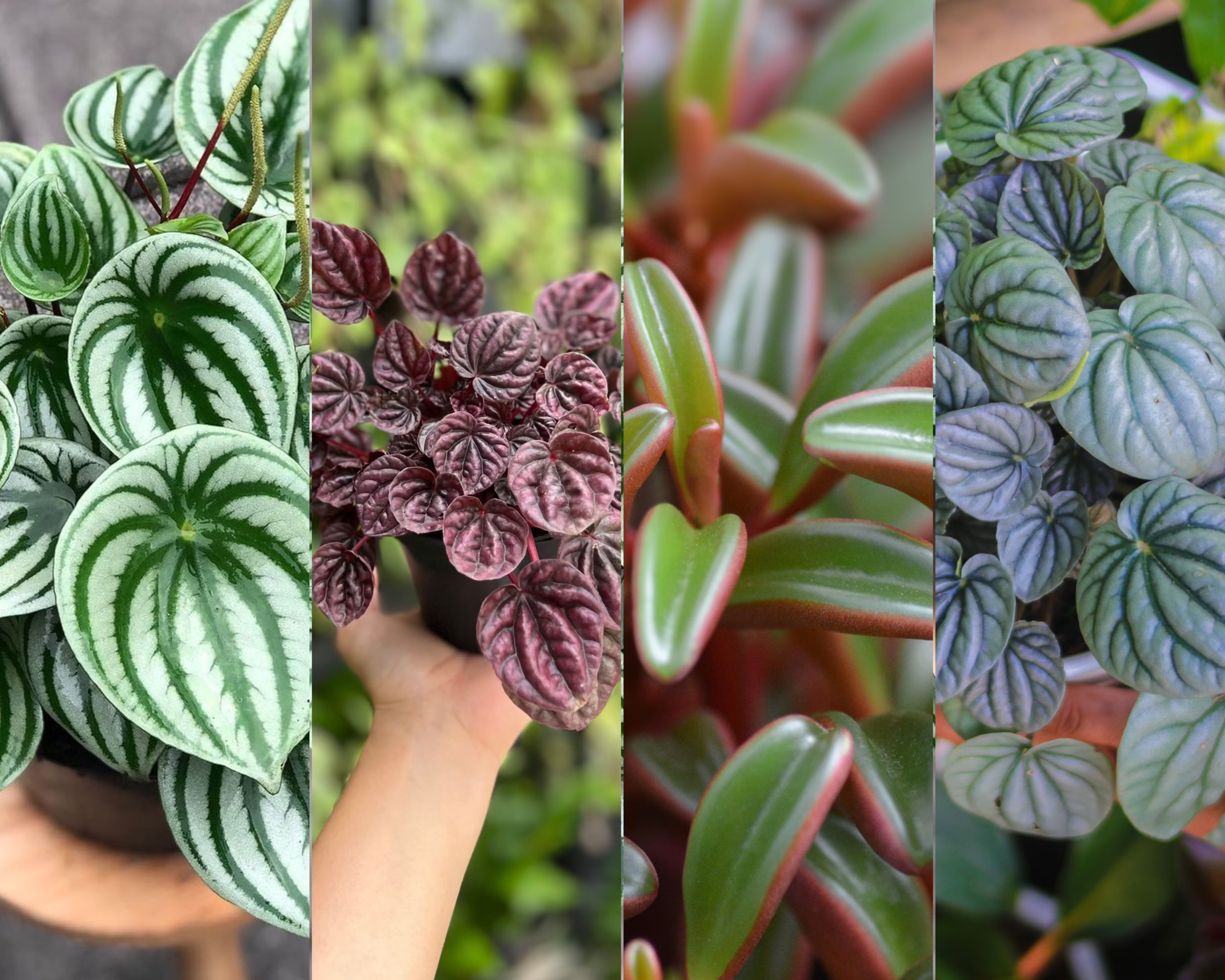
1. Take Advantage of the Season: Give Your Houseplants Fresh Air and Light
Many people forget a key truth: houseplants do not truly exist in nature. Every species we grow indoors originally evolved outdoors, in jungles, rainforests, deserts, or tropical climates. So even “indoor plants” enjoy real sunlight, wind movement, and natural temperature changes when the season is favorable.
Why Outdoor Exposure Boosts Plant Health
During warm, mild months (like late spring and early summer), taking your plants outside for a week can noticeably revive stressed or weak plants.
Outdoors, plants receive:
-
Stronger natural light
-
Airflow that stimulates growth
-
Gentle environmental stress that encourages resilience
-
Humidity variations more aligned with their natural habitat
These elements make a significant difference in healthy houseplants.
How to Transition Your Plants Outdoors Safely
-
Choose the right weather
Avoid harsh sun or cold nights. Mild warmth is ideal. -
Place plants in bright shade first
A slatted pergola, shaded porch, or patio provides filtered light. -
Leave them outdoors for 5–7 days
This short “reset” often revives droopy leaves and sluggish growth. -
Avoid direct midday sun
Unless the plant naturally thrives in full sun (like succulents), keep it shaded.
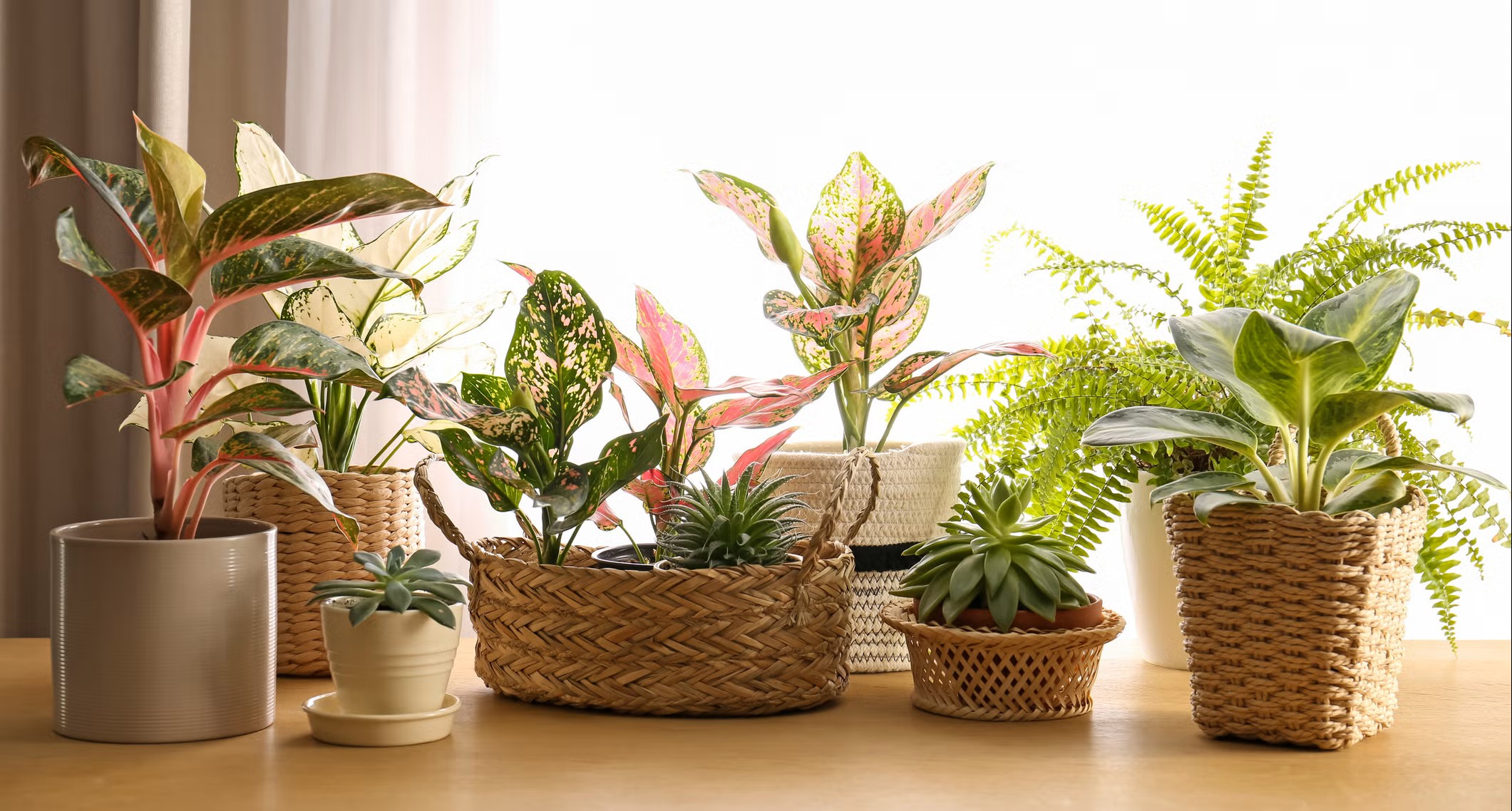
What Plants Benefit Most?
-
Calathea
-
Maranta
-
Philodendron
-
Pothos
-
Peace lily
-
Ferns
-
Anthurium
These tropical houseplants especially appreciate humidity and airflow, conditions that indoor environments often lack.
2. How to Care for Your Houseplants When You’re Away: Four Fast Vacation Tips
Even experienced gardeners worry about leaving their indoor plants unattended. Fortunately, you don’t need complicated systems or expensive gadgets to maintain good houseplant care while you’re traveling.
Here are four quick solutions for keeping healthy houseplants alive during short trips.
Vacation Tip #1: Top Off the Saucer
Filling the saucer with a shallow layer of water allows moisture to wick upward slowly. While this method is not ideal for everyday care, it’s perfect for a 2–3 day absence.
Benefits:
-
Gentle moisture buffer
-
Prevents drying out
-
Safe for thirsty plants like Calathea or Maranta
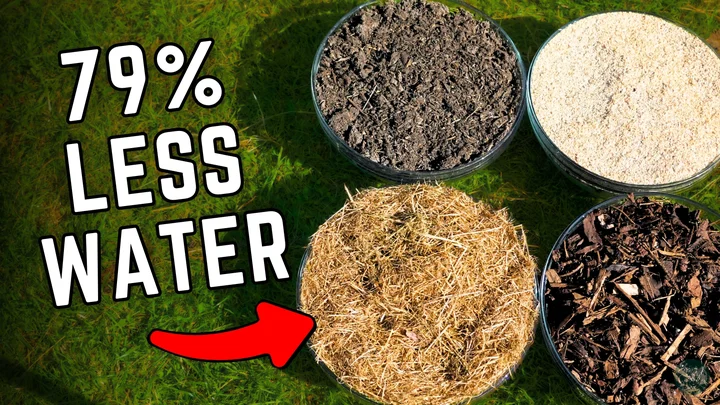
Vacation Tip #2: Use Mulch to Reduce Evaporation
A layer of natural mulch (coconut fiber, orchid bark, or plant fiber) on top of your soil dramatically slows water evaporation.
Mulch helps by:
-
Keeping soil moisture stable
-
Reducing watering needs
-
Protecting the root zone from heat
It’s an underrated but powerful tool in houseplant care.
Vacation Tip #3: Use a Water Globe or Reservoir Spike
A water globe provides a small, steady supply of moisture.
Great for:
-
Prayer plants
-
Fiddle leaf figs
-
Peace lilies
-
Plants that wilt easily
This simple tool prevents dehydration without risk of overwatering.
Vacation Tip #4: Move Plants Slightly Out of Direct Light
Less light equals slower growth, which means less water consumption.
Before leaving:
-
Move your plants 1–2 feet away from a bright window
-
Avoid dark corners
-
Reduce heat exposure
This temporary adjustment gives you more time and reduces stress on your plant.
3. The Best Watering Technique for Healthy Houseplants: Bottom Watering
Watering is the most common struggle in houseplant care. Some plants dry too fast, others stay soggy, and some soil mixes become hydrophobic (repelling water).
The easiest fix?
Bottom watering.
How to Bottom Water Your Plants
-
Fill a tray or basin with about half an inch of water.
-
Remove the plant from its decorative cachepot.
-
Place the nursery pot directly in the water.
-
Let it sit for 5–10 minutes.
-
Remove and allow excess water to drain.

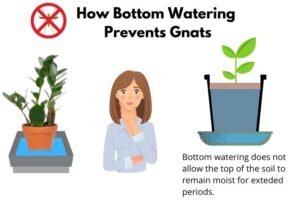
Why Bottom Watering Works So Well
-
Moisture is pulled upward evenly through capillary action
-
The entire root ball becomes evenly hydrated
-
Soil structure remains intact
-
Minimizes fungus gnats
-
Prevents overwatering accidents
This technique is especially helpful for:
-
Calathea
-
Maranta
-
Peperomia
-
African violets
-
Any plant in dense or peat-heavy soil
If you want truly healthy houseplants, this watering method is one of the most effective tools you can use.
Bonus Section: How to Care for Plants After Receiving Them by Mail
As online plant shopping becomes more common, understanding post-shipping plant care is essential.
What Happens During Shipping?
Plants deal with:
-
Temperature swings
-
Darkness
-
Movement and jostling
-
Stress from confinement
So when they arrive, they need recovery time.
How to Acclimate Shipped Plants
Step 1: Open the Box Immediately
Remove packaging to let the plant breathe.
Step 2: Do Nothing
Avoid:
-
Repotting
-
Fertilizing
-
Watering (unless extremely dry)
Most shipped plants need 3-5 days of rest.

Step 3: Place Them in Bright, Indirect Light Outdoors
A shaded patio or balcony works well.
Treat this like “plant hardening,” similar to seedlings transitioning outdoors.
Step 4: Allow a Full Week of Adjustment
Patience ensures long-term health and reduces shock.
Healthy houseplants don’t require complicated care routines or expensive tools. By focusing on these three simple principles, seasonal outdoors exposure, smart vacation prep, and proper watering techniques, you’ll naturally create an environment where your plants can thrive.
Whether you’re a beginner or an experienced collector, these fundamentals never stop working. Keep it simple, stay consistent, and your indoor jungle will reward you with lush, vibrant growth.
Ready to upgrade your houseplant care routine? Explore more plant-care tips, discover easy tools, and start growing healthier houseplants today. Your greener thumb begins here.
FAQs
1. How often should I water my houseplants?
It depends on the plant, but watering only when the soil is partially dry prevents most issues.
2. Is it safe to put houseplants outside?
Yes — as long as temperatures are mild and the plant stays in filtered light.
3. How do I keep my plants alive during vacation?
Use mulch, water globes, saucers, and reduce light exposure to slow water use.
4. What is the best method for watering?
Bottom watering ensures even hydration and prevents soggy soil.
5. Should I repot a new plant immediately after buying?
No. Allow at least one week to acclimate before repotting.

Whether you’re shopping for plant lovers, hunting for meaningful plants, or simply looking to add a touch of green to your own holiday décor, DH Garden Centre has everything you need for a joyful, vibrant, and beautifully green Christmas.
Visit DH Garden Centre today: where the holidays grow brighter, one plant at a time.
Keep reading
Have a plant question? Bring it to the counter.
DH Garden Centre is at 3742 West 10th Avenue in Kitsilano, Vancouver, open 11:00 to 6:30 every day. Bring the plant, or a photo of the spot you want to fill, and we will look at it with you. If you buy a pot here we repot the plant at the counter, soil included up to 5 litres.
