
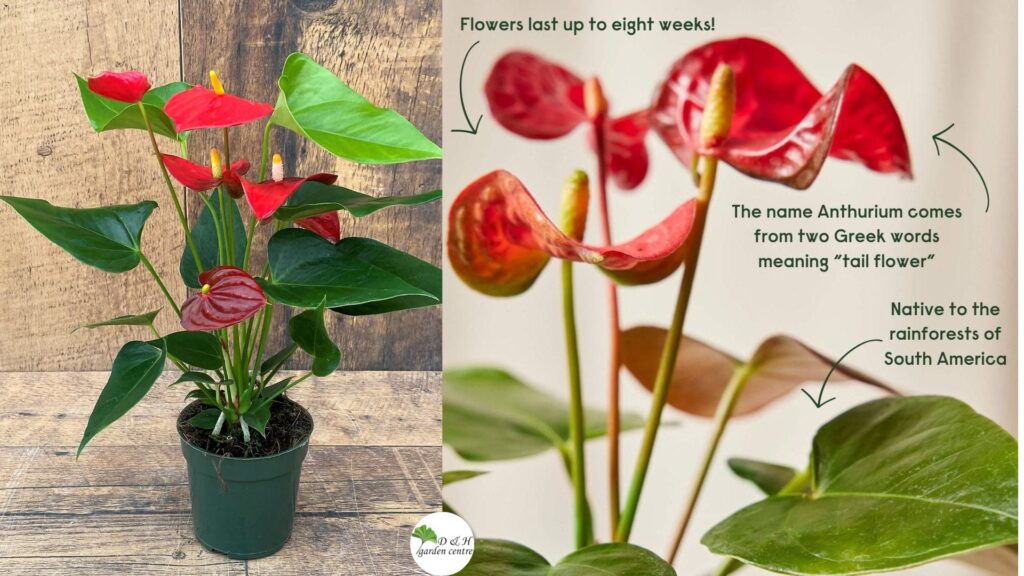
Discover the complete anthurium plant care guide for beginners and plant lovers. Learn sunlight needs, watering mistakes to avoid, soil mix, fertilizers, pest control, and step-by-step propagation tips to keep your Anthurium thriving and blooming indoors.
Introduction: Why Anthurium Deserves a Spot in Your Indoor Garden
Few indoor plants can compete with the elegance of the Anthurium. With its glossy heart-shaped leaves, long-lasting flowers, and signature spadix, this tropical gem brings a sculptural beauty to any room. But behind its graceful appearance lies a plant that thrives when understood deeply.
Whether you are a beginner or an experienced gardener, mastering anthurium plant care will reward you with vibrant foliage and continuous flowering. In this guide, we will explore:
• How much sunlight Anthuriums need
• The biggest watering mistake beginners make
• Soil requirements for strong root growth
• Fertilization schedules for long-lasting blooms
• Pest control strategies
• Easy ways to propagate Anthurium
By the end, you will have a complete, practical approach to growing Anthuriums successfully indoors or outdoors in shaded spaces.

What Exactly Is an Anthurium?
Anthurium is a large genus with around 1000 species, but the most popular ornamental houseplant is Anthurium andraeanum. Common names include:
• Flamingo Flower
• Tailflower
• Painter’s Palette
• Laceleaf
The plant’s dramatic red or pink “flower” is actually a spathe, a modified leaf, with the true flowers located on the central spadix. This unique structure is also seen in Peace Lilies, making it instantly recognizable.
It is important to note that all parts of the Anthurium are poisonous to humans and pets. Avoid ingestion, and wash hands after handling cut stems or sap.
Anthurium Plant Care: Essential Growing Conditions
Below is a comprehensive, experience-based breakdown of all major factors that influence Anthurium health and flowering.
1. Sunlight Requirements: Bright, Indirect Light Is Key
When discussing anthurium plant care, lighting is the first and most crucial factor. Anthuriums thrive in bright, indirect light, similar to what they receive beneath the forest canopy in their natural habitat.
Why Indirect Light Matters
• Too little light reduces flowering dramatically
• Too much direct sun burns the leaves
• Filtered light boosts growth and spathe color vibrancy
Ideal placement:
• Near an east-facing window
• A shaded area with diffused afternoon sun
• Under a 50 percent shade net if kept outdoors
Avoid:
Harsh midday sunlight, which causes leaf scorch and stunted growth.
2. Watering Anthurium: The Most Common Cause of Plant Death
Overwatering is the number one mistake gardeners make. Anthuriums tolerate underwatering far better than soggy soil.
How to Water Correctly
Use the finger dip method:
Insert your finger about 2-3 cm into the soil.
• If it still feels damp, do not water.
• Check again after 24-48 hours.
Only water when the top layer has partially dried out.
Signs of Overwatering
• Yellowing leaves
• Mushy roots
• Black leaf tips
• Soil that smells sour
Signs of Underwatering
• Limp leaves
• Dry potting mix pulling away from container edges
Proper watering is the backbone of effective anthurium plant care, especially for beginners who may assume frequent watering equals better growth.

3. Best Soil Mix for Anthuriums: Airy, Loose, and Fast-Draining
Anthuriums are epiphytic in nature, meaning their roots crave oxygen. A dense or clay-heavy soil suffocates roots, leading to root rot.
Ideal Soil Characteristics
• Well-draining
• Rich in organic matter
• Light and porous
If your plant comes from a nursery in clay soil, soak the root ball in water to gently remove compacted soil. Then repot with a suitable mix.
Recommended Anthurium Soil Mix
• 40 percent universal potting soil
• 40 percent coco peat or bark mix
• 20 percent perlite for enhanced aeration
Adding extra perlite improves drainage and prevents moisture retention, which aligns with best practices in anthurium plant care.

4. Fertilizing Anthurium: What to Feed for Continuous Blooms
Anthuriums do not require heavy feeding. Organic fertilizers work well and provide slow-release nutrition.
Best Fertilizer Options
• Decomposed cow dung
• Vermicompost
• Bone meal powder (high phosphorus for flowering)
Apply once every three months.
Bone meal can be mixed into the soil during repotting or sprinkled lightly on the top layer.
Avoid
• Chemical fertilizers that burn roots
• Over-fertilization, which causes salt buildup
Proper feeding enhances flowering cycles and strengthens root systems, making it a critical part of long-term anthurium plant care.

5. Pest Control for Anthurium: Simple, Organic Protection
Anthuriums are generally hardy but may attract pests like:
• Aphids
• Thrips
• Spider mites
• Caterpillars
• Slugs and snails
Prevention
A weekly neem oil spray is more than enough to keep insects away.
Treatment for Infestations
• Isolate the plant
• Wash leaves gently with soapy water
• Apply neem oil or insecticidal soap every 3 days until pests disappear
Preventive care ensures Anthurium leaves remain glossy and vibrant, protecting your investment and effort.
How to Propagate Anthurium Successfully
Propagation is simple and rewarding. There are several methods:
1. Division of Root Ball
During repotting, gently divide the plant into smaller sections. Ensure each division has at least:
• A healthy stem
• A few leaves
• A portion of the root system
2. Growing from Cuttings
Anthurium stem cuttings can root in:
• Water
• Soil
• Sphagnum moss
Roots appear within 3-6 weeks depending on humidity and temperature.
3. Growing from Seeds
Least common and slowest method, but doable for collectors.
Propagation allows you to expand your collection or gift new plants to friends while deepening your understanding of anthurium plant care.
Troubleshooting Common Anthurium Problems
1. Brown leaf tips
Cause: Over-fertilization or low humidity
Fix: Reduce feeding and mist occasionally
2. Yellow leaves
Cause: Overwatering
Fix: Improve drainage and let soil dry slightly between waterings
3. No flowers
Cause: Low light or low phosphorus
Fix: Move plant to brighter location and use bone meal
4. Faded or dull spathes
Cause: Aging flowers or insufficient light
Fix: Trim old blooms and increase indirect brightness
FAQ About Anthurium Plant Care
1. Why is my Anthurium not flowering?
Lack of bright, indirect light and insufficient phosphorus are the main reasons. Improve light and add bone meal.
2. How often should I water my Anthurium?
Every 3–7 days depending on temperature and pot size. Always check moisture using the finger dip method.
3. Can Anthuriums grow in low light?
Yes, but they will rarely bloom. Moderate to bright, indirect light is ideal.
4. Is Anthurium safe around pets?
No, all parts of the plant are toxic. Keep out of reach of children and animals.
5. Should I mist my Anthurium?
Occasionally. Light misting increases humidity but do not soak the leaves.
Ready to Transform Your Indoor Garden?
If you want a vibrant, elegant houseplant that blooms year-round, the Anthurium is an excellent choice. With the right anthurium plant care approach, this plant rewards you generously.
Like, share, and leave a comment if you want more plant care guides.

Whether you’re shopping for plant lovers, hunting for meaningful plants, or simply looking to add a touch of green to your own holiday décor, DH Garden Centre has everything you need for a joyful, vibrant, and beautifully green Christmas.
Visit DH Garden Centre today: where the holidays grow brighter, one plant at a time.
Keep reading



Have a plant question? Bring it to the counter.
DH Garden Centre is at 3742 West 10th Avenue in Kitsilano, Vancouver, open 11:00 to 6:30 every day. Bring the plant, or a photo of the spot you want to fill, and we will look at it with you. If you buy a pot here we repot the plant at the counter, soil included up to 5 litres.
