
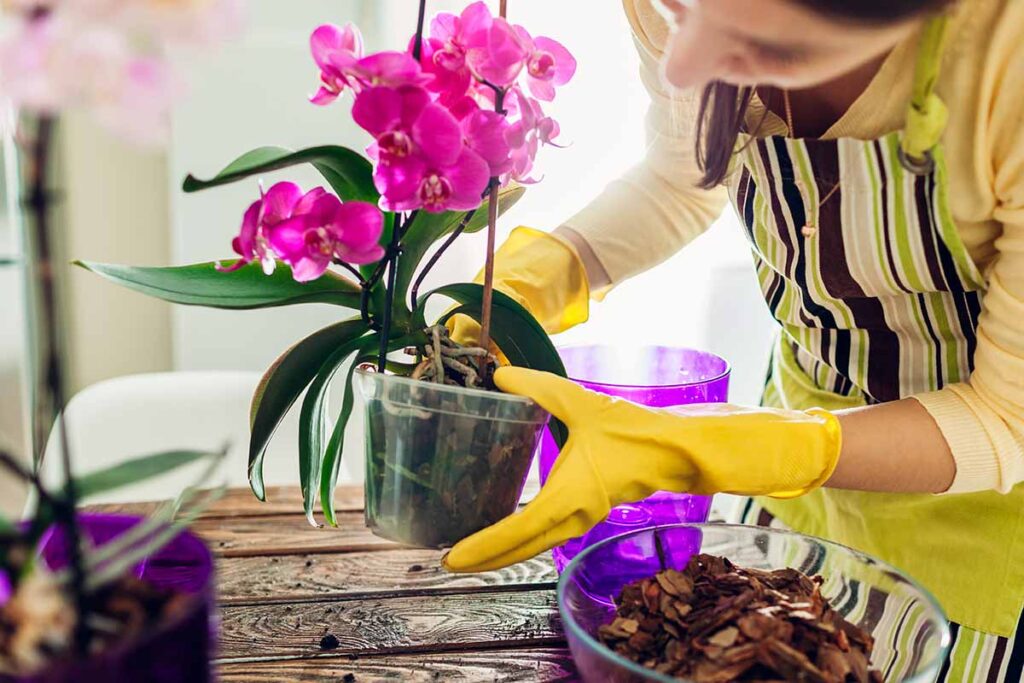
Learn how to grow healthy orchids with minimal watering using a semi-hydroponic method and natural ginger solution. Ideal for busy orchid lovers.
How to Grow Orchids With Less Water: A Practical, Proven Method
Orchids are often seen as delicate, demanding plants that require constant attention. In reality, orchids are far more resilient than most people believe. When grown in the right conditions, they can thrive with minimal watering, strong root development, and reliable blooming.
This guide introduces a low-maintenance orchid care method designed specifically for people who love orchids but do not have time for daily care. Using a semi-hydroponic setup and a natural ginger-based treatment, this approach supports healthy roots, prevents rot, and encourages long-term growth and flowering.
Whether you are reviving a discounted orchid or transitioning a healthy plant into a more stable system, this method provides consistent results with simple tools and familiar kitchen ingredients.
Why Orchids Fail Indoors
Most indoor orchid problems stem from one issue: excess moisture combined with poor airflow.
Commercial growers frequently use sphagnum moss because it retains moisture efficiently under controlled conditions. However, once orchids are moved into homes, watering becomes less precise. Moss stays wet for too long, leading to:
-
Root rot
-
Yellowing leaves
-
Leaf drop
-
Fungal infections
-
Gradual plant decline
For indoor environments, orchids need a growing system that balances moisture with oxygen. This is where semi-hydroponics becomes highly effective.
Choosing the Right Orchid to Start With
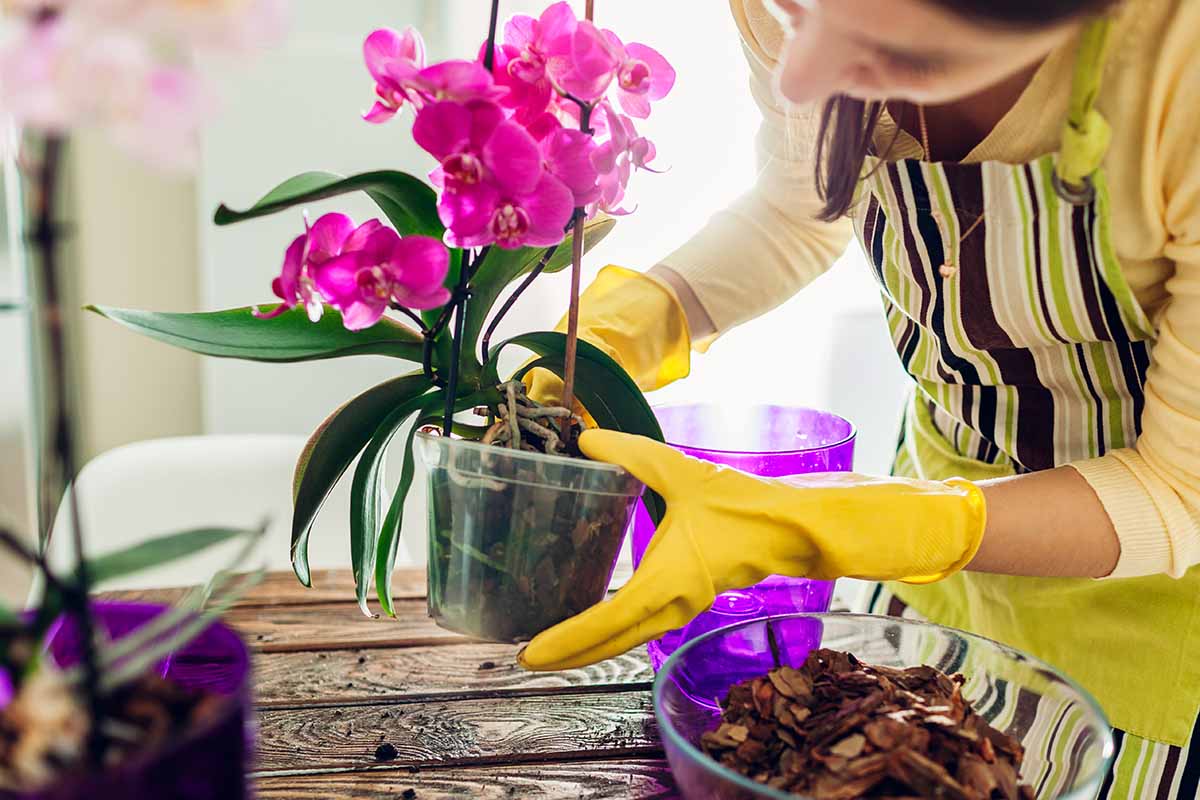
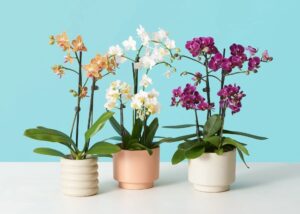
This method works particularly well for Phalaenopsis orchids, the most common household variety.
Even orchids that appear weak or neglected can recover if they still have:
-
At least one healthy leaf
-
Some viable root tissue
-
A firm crown
Orchids that have already started producing new roots are especially good candidates.
Step 1: Remove the Old Growing Medium
Begin by gently removing all sphagnum moss from the base of the plant.
Why this matters:
-
Old moss traps bacteria and fungi
-
Compacted moss prevents airflow
-
Decomposed moss accelerates root decay
Rinse the root system under clean running water to remove remaining debris.
Step 2: Prune the Root System Correctly
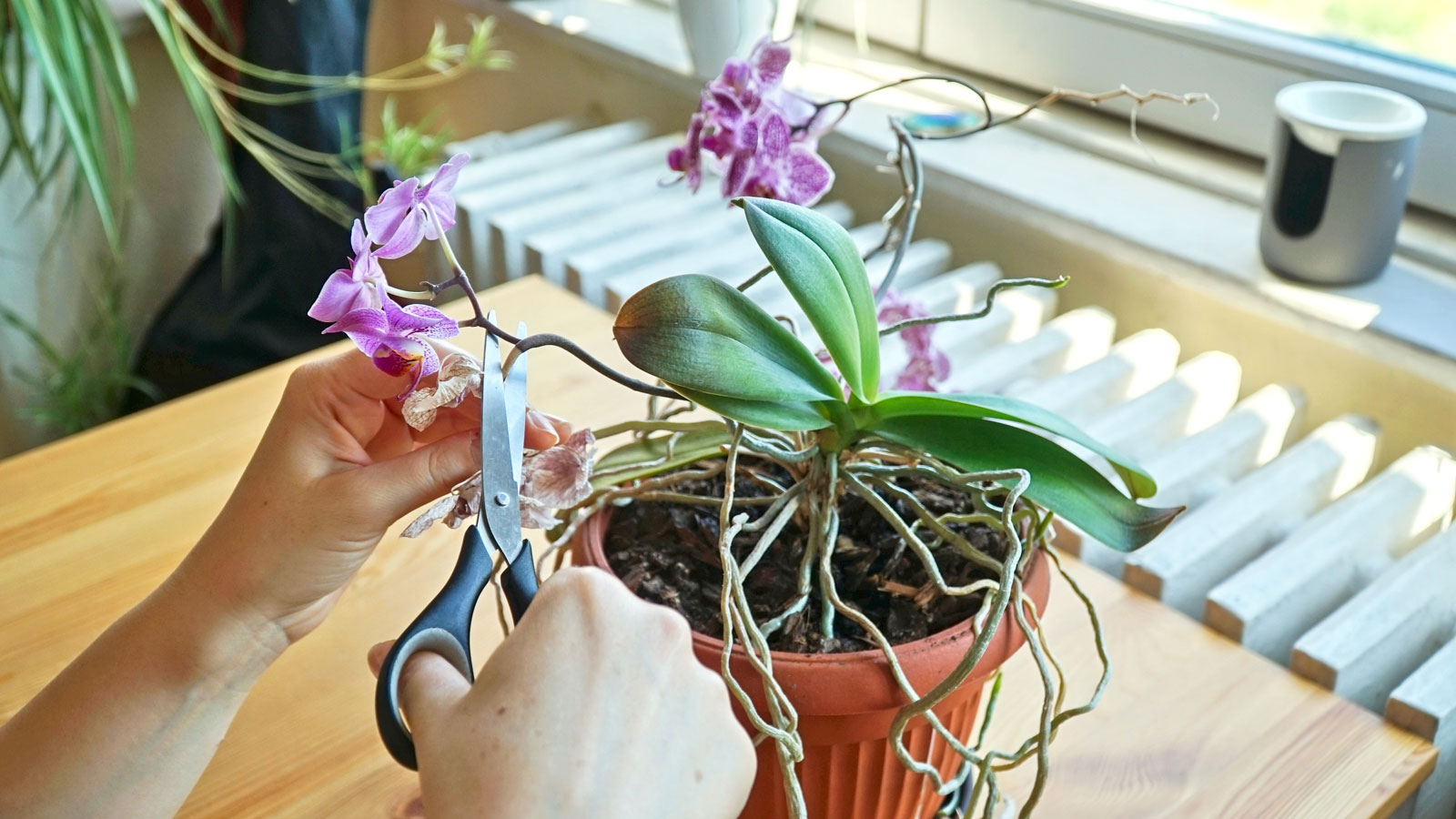
Using sterilized scissors, carefully inspect all roots.
Remove:
-
Soft, mushy roots
-
Dark brown or black roots
-
Completely dried, hollow roots
Keep:
-
Firm roots
-
Silvery white roots
-
Pale green roots
Healthy roots are essential for water and nutrient absorption. Removing damaged roots prevents disease from spreading and allows the plant to focus energy on regeneration.
Step 3: Rinse and Air-Dry the Orchid
After pruning, rinse the entire plant thoroughly.
Then place the orchid in:
-
A cool
-
Well-ventilated
-
Shaded area
Allow it to dry for 48 hours. This drying period allows cut surfaces to seal naturally and significantly reduces infection risk.
Step 4: Prepare a Natural Ginger Treatment
Ginger is a powerful, natural plant protectant with proven antibacterial and antifungal properties. Its bioactive compounds help orchids recover faster after stress or root damage.
Ginger Solution Preparation
-
Finely chop fresh ginger
-
Add to a clean glass container
-
Pour in 500 ml of warm water
-
Cover and steep for 3 hours
-
Strain out ginger pulp
-
Dilute with an additional 500 ml of clean water
The resulting solution is mild, safe, and effective.
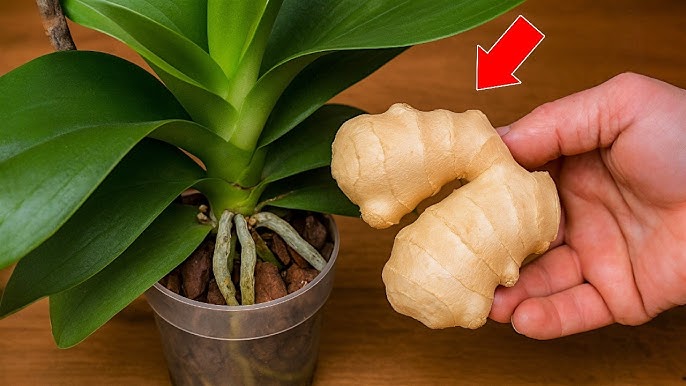
Step 5: Treat the Orchid With Ginger Solution
Soak the base and roots of the orchid in the diluted ginger solution for 20–30 minutes.
Benefits include:
-
Disinfection of root tissue
-
Prevention of fungal infections
-
Stimulation of root regeneration
Use a soft cotton pad soaked in the solution to gently wipe both sides of the leaves. Pay special attention to the underside, where gas exchange occurs.
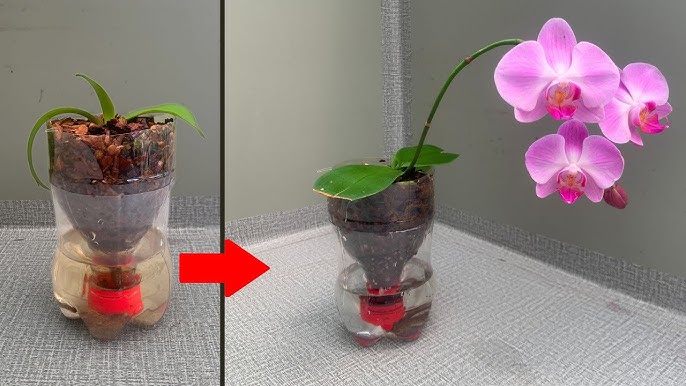
Step 6: Create a Simple Semi-Hydroponic Pot
This system provides consistent humidity without waterlogging.
Materials Needed
-
A discarded plastic bottle
-
A cutting tool
-
A heat tool or nail
Assembly Steps
-
Cut the bottle in half
-
Poke multiple holes around the neck section
-
Invert the neck into the base
The holes promote airflow while allowing moisture to rise through evaporation.
Step 7: Repotting the Orchid
Place a small piece of foam at the base for stability and add a support rod if needed.
Position the orchid and lightly secure the base with pine bark. Tie the plant gently to the support using soft string to prevent movement.
Gradually fill around the roots with bark until the plant is stable but not compacted.
Step 8: Watering and Moisture Control
Use the remaining ginger solution to lightly water the base after planting.
Then:
-
Let the medium absorb moisture for 10 minutes
-
Discard excess solution
-
Add clean water to the bottle base
The water should not submerge roots, only create humidity through evaporation.
This method allows orchids to absorb moisture slowly and naturally, mimicking tropical conditions.
Why Semi-Hydroponics Works for Orchids
This system offers several advantages:
-
Reduced watering frequency
-
Excellent root oxygenation
-
Stable moisture levels
-
Lower risk of rot
-
Strong root growth
-
Consistent leaf development
-
Reliable flowering
Many growers find they only need to refresh the water when it becomes cloudy or drops below the initial level.
Long-Term Care Tips
-
Keep orchids in bright, indirect light
-
Avoid direct midday sun
-
Maintain airflow around plants
-
Replace water regularly
-
Observe roots and leaves instead of following rigid schedules
Healthy orchids communicate their needs clearly through root color and leaf texture.
Frequently Asked Questions
Can ginger harm orchids?
No. When properly diluted, ginger is safe and beneficial for orchids.
How often should I replace the water?
Replace when it becomes cloudy or drops significantly, typically every 1–2 weeks.
Can this method be used for other plants?
Yes. Anthuriums, lilies, and similar ornamentals also benefit from ginger misting.
Do orchids still bloom with less watering?
Yes. Stable moisture promotes stronger roots, which directly supports blooming.
Orchid care does not need to be complicated or time-consuming. By creating a stable environment and using natural treatments, orchids can thrive with minimal effort.
This semi-hydroponic method is ideal for busy plant lovers who want healthy roots, glossy leaves, and consistent blooms without daily watering.
Care for orchids with patience and balance, and they will reward you generously.
Looking for healthy orchids, quality growing media, and expert guidance?
Visit DH Garden Centre for trusted plant care solutions designed for real homes and real lifestyles.

3742 West 10th Avenue, Vancouver, BC V6R 2G4, Canada
Whether you’re shopping for plant lovers, hunting for meaningful plants, or simply looking to add a touch of green to your own holiday décor, DH Garden Centre has everything you need for a joyful, vibrant, and beautifully green Christmas.
Visit DH Garden Centre today: where the holidays grow brighter, one plant at a time.
Keep reading
Have a plant question? Bring it to the counter.
DH Garden Centre is at 3742 West 10th Avenue in Kitsilano, Vancouver, open 11:00 to 6:30 every day. Bring the plant, or a photo of the spot you want to fill, and we will look at it with you. If you buy a pot here we repot the plant at the counter, soil included up to 5 litres.
