Burning the wrong type of wood can harm your health, home, and chimney. Learn which firewood you should never burn indoors and why it matters.
Introduction: Burning Wood Is Not Just About Heat
Did you know that burning the wrong type of wood could be hazardous to your health, your family, your pets, your home, and even your wallet?
Many people assume that if it looks like wood, it must be safe to burn. That assumption is one of the most dangerous mistakes homeowners make when using fireplaces or wood stoves.
This guide explains seven types of wood you should never burn indoors, plus several that are unsafe even outdoors. We will break down the why, the health risks, and the long-term damage these materials can cause.
This is not about fear.
It is about firewood literacy.
1. Rotten or Moldy Wood
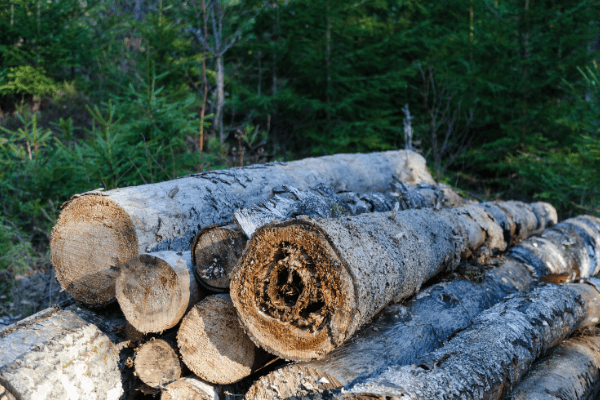
Rotten wood is one of the most overlooked examples of wood you should never burn indoors.
Why it is dangerous
-
High moisture content
-
Low heat output
-
Excessive smoke and particulates
-
Accelerated creosote buildup
Moldy or decaying wood often feels heavy because it is saturated with water. When burned, it smolders rather than burns cleanly.
Health risks
Burning moldy wood releases:
-
Toxic fumes
-
Mold spores
-
Irritants that trigger headaches, dizziness, asthma, and allergies
Those most at risk include children, the elderly, and anyone with respiratory conditions such as asthma or COPD.
Bottom line: Rotten wood belongs in nature, not in your fireplace.
2. Wood Pulp Products (Cardboard, Paper, MDF)
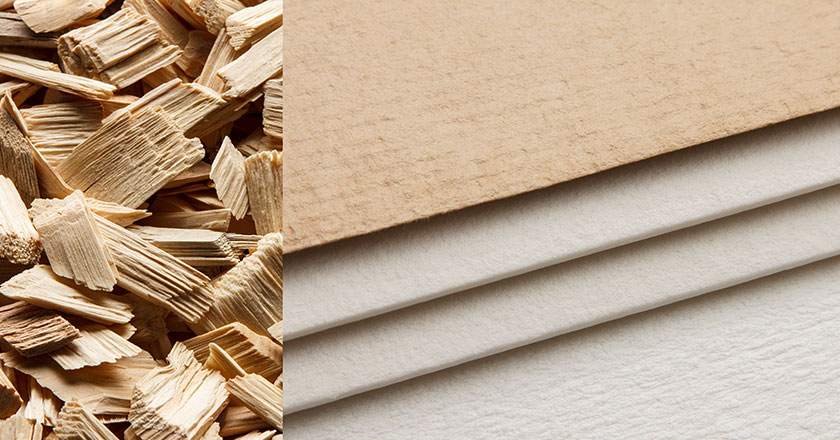
Another category of wood you should never burn indoors is wood pulp products.
This includes:
-
Cardboard
-
Wrapping paper
-
Magazines
-
Packaging materials
-
MDF (medium-density fiberboard)
Why it is unsafe
These products are manufactured with:
-
Adhesives
-
Bleaches
-
Chlorine compounds
-
Industrial chemicals
When burned, they release toxic substances such as dioxins and formaldehyde.
Another category of wood you should never burn indoors is wood pulp products.
Fire risk
Wood pulp products:
-
Produce heavy smoke
-
Release long-lasting embers
-
Can ignite creosote in chimneys
-
Increase the risk of chimney and roof fires
Exception: A small twist of plain newspaper may be used briefly as a fire starter only.
3. Poisonous Woods and Toxic Plants
Certain plants and trees release extremely dangerous smoke when burned.
Never burn these indoors or outdoors
-
Poison ivy
-
Poison oak
-
Poison sumac
When burned, these plants release urushiol oil, which can cause:
-
Severe respiratory swelling
-
Airway closure
-
Eye damage
-
Skin rashes
Even outdoor burning is dangerous, as smoke can travel with the wind.
Highly toxic trees
-
Oleander
-
Manchineel
-
Poisonwood (hogwood)
Burning these woods can severely damage the eyes, lungs, and skin.
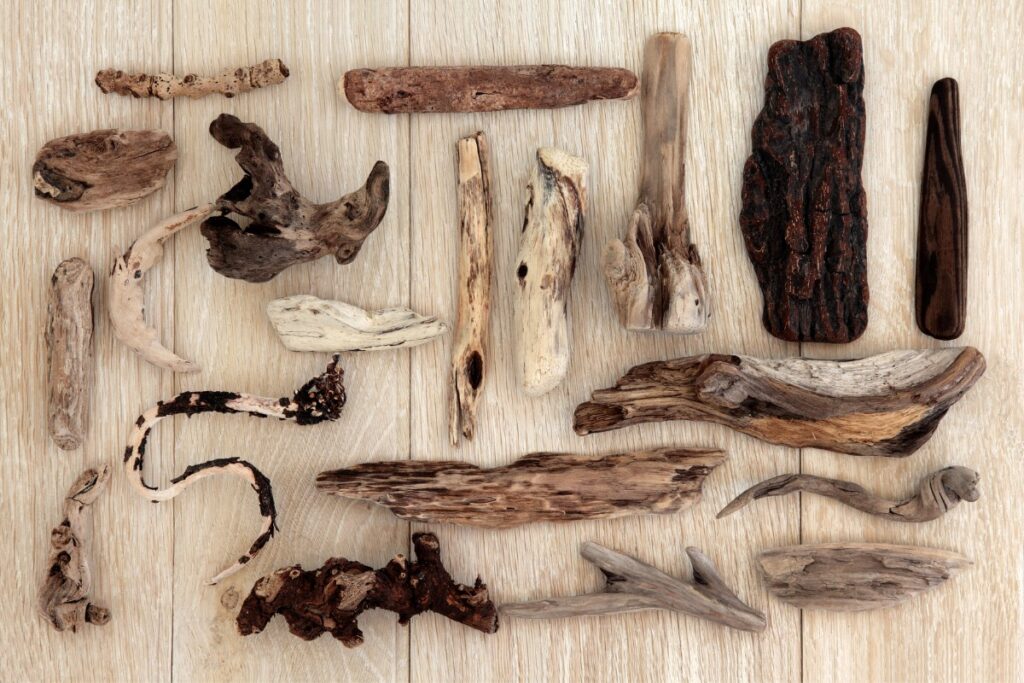
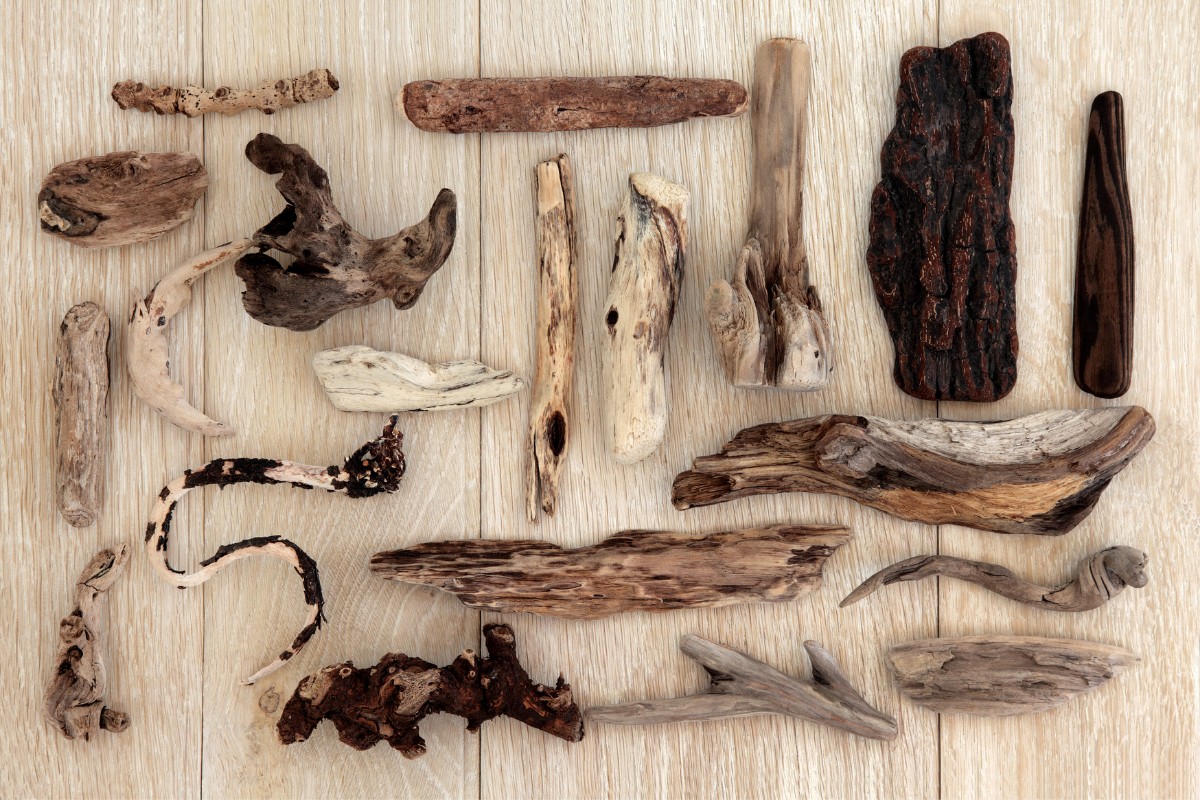
4. Driftwood
Driftwood may look appealing, but it is absolutely wood you should never burn indoors.
Why driftwood is dangerous
Driftwood contains salt, mainly sodium chloride. When burned, it releases:
-
Hydrogen chloride gas
-
Chlorine gas
These compounds:
-
Corrode metal stove parts
-
Damage chimney liners
-
Shorten the lifespan of flue systems
The damage is often slow and invisible until failure occurs.
5. Pallet Wood
Pallet wood often sparks debate, but it firmly belongs on the list of wood you should never burn indoors.
Why pallets are risky
-
Contain nails and staples
-
Often exposed to industrial chemicals
-
May be chemically treated with methyl bromide
-
Unknown usage history
Burning pallet wood can:
-
Damage stoves
-
Create hazardous ash
-
Release toxic fumes
If you use wood ash for gardening, pallet wood is a deal breaker.
6. Non-Local Firewood
This may surprise many people.
Non-locally sourced firewood is not just an environmental issue. It is a serious ecological risk.
Why non-local firewood is dangerous
Transporting firewood spreads invasive pests such as:
-
Emerald ash borer
-
Asian longhorn beetle
-
Gypsy moth
It also spreads fungal diseases like:
-
Oak wilt
-
Sudden oak death
Many infestations in North America began because firewood was moved from one region to another.
Rule: Buy local. Burn local.
7. Treated, Painted, or Sealed Wood
Pressure-treated, painted, stained, or sealed wood is never safe to burn indoors.
Older treated wood (pre-2003)
Often contains:
-
Chromated copper arsenate (CCA)
-
Arsenic
Newer treated wood
Still contains hazardous compounds such as:
-
Alkaline copper quaternary (ACQ)
Burning treated wood can cause:
-
Headaches
-
Nausea
-
Lung irritation
-
Long-term neurological damage
-
Increased cancer risk
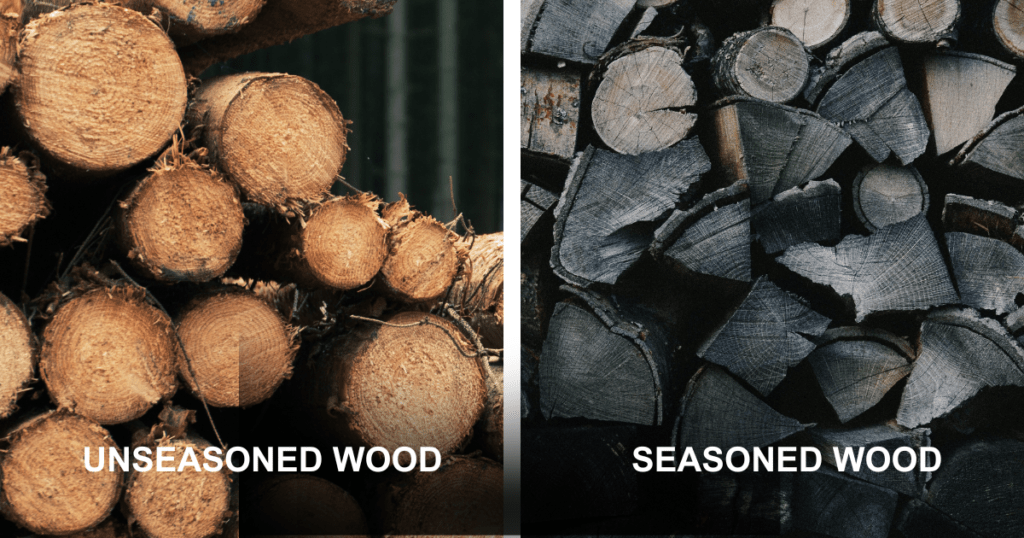
8. Green (Unseasoned) Wood
Green wood is one of the most commonly burned yet problematic materials.
Freshly cut wood can contain up to 60% moisture.
Why green wood is unsafe indoors
-
Difficult to light
-
Produces excessive smoke
-
Low heat output
-
Rapid creosote buildup
-
Risk of backdrafting
You can often hear green wood sizzling as water boils out of it.
Proper firewood standard
Seasoned firewood should have:
-
Moisture content below 20%
-
Clean, efficient combustion
Burning green wood wastes fuel, clogs chimneys, and fills homes with smoke.
What You Should Burn Instead
Safe indoor firewood includes:
-
Properly seasoned hardwood
-
Locally sourced wood
-
Clean, untreated logs
-
Dry wood stored for 1 year or more
Investing in seasoned firewood is cheaper than repairing a chimney.
FAQ: Wood You Should Never Burn Indoors
Can I burn moldy wood if I open windows?
No. Toxic spores and particulates still enter your home.
Is pallet wood safe if it is heat-treated?
Not recommended. Usage history and contamination are unknown.
Why does green wood cause so much smoke?
Most energy is spent evaporating water instead of producing heat.
Is driftwood safe outdoors?
No. Toxic gases and corrosion risks still apply.
Final Thoughts: Firewood Is Not All the Same
Firewood safety is not common knowledge, but it should be.
Understanding wood you should never burn indoors protects:
-
Your lungs
-
Your chimney
-
Your home
-
Your long-term health
Heat should make your home safer, not more dangerous.
Before your next fire:
-
Check your wood
-
Buy local
-
Burn clean
-
Burn smart

Whether you’re shopping for plant lovers, hunting for meaningful plants, or simply looking to add a touch of green to your own holiday décor, DH Garden Centre has everything you need for a joyful, vibrant, and beautifully green Christmas.
Visit DH Garden Centre today: where the holidays grow brighter, one plant at a time.
