
Confused by rose pruning rules? Learn how to prune roses with real context: when to prune roses, which stems to remove first, the truth about angled cuts, sealing cuts, and how to shape a healthier rose bush.
A rainy, grey morning is not a bad time to prune roses. In fact, it is often the perfect time, because you are not tempted to rush. And rose pruning is one of those garden tasks where rushing is how you turn a healthy rose bush into a messy regret.
If you have ever searched “how to prune roses,” you have probably seen a list of strict rules that sound simple but feel confusing in real life. That is exactly the problem. These rose pruning rules were designed to calm beginners, but without context, they can create panic: Am I cutting too much? Is this bud outward enough? Should I seal the cut?
This guide from DH Garden Centre breaks down the seven most common rose pruning rules, explains why they exist, and clarifies which ones are truly helpful versus which ones waste your time. By the end, you will know exactly how to prune roses with confidence, whether your goal is more blooms, a healthier plant, or simply a rose bush pruning routine that does not feel like a science exam.
The Big Picture: What Rose Pruning Is Really About
Before we dive into individual rose pruning rules, keep one principle in mind:
Rose pruning is not about obeying rigid steps. It is about improving plant health and managing shape.
When you prune roses well, you usually achieve three outcomes:
- Better airflow and light penetration through the rose bush
- Less disease pressure and fewer rubbing injuries
- A more balanced structure that supports strong flowering stems
That is the foundation of rose plant care. Now let’s talk about the rules.
Rule 1: “Prune Roses When the Forsythia Blooms”
You may have heard the classic advice: when to prune roses equals when forsythia blooms. Forsythia is an early-season yellow shrub that flowers when many regions begin moving out of winter.
Why this rule exists
- It is a nature-based signal meant to help beginners spot the opening of the pruning window. The message is: the season is waking up, and it is safer to prune.
- The real context
This is a decent clue, but not a guarantee. Nature can be early. Frost can still arrive. What matters is that this rule is not a “single day deadline.” It is simply a sign that the pruning season has begun.
The expert takeaway
- Use it as a reminder, not a commandment.
- The pruning season is often longer than people think.
- If you are busy early, it is usually fine to prune later.
Important exception:
If you have once-blooming roses (many old garden roses and some species roses), pruning too early can reduce that season’s flowers. For once-bloomers, the safe strategy is often to prune after the first flush of bloom.
So yes, when to prune roses depends on rose type, not folklore alone.
Rule 2: “Start With Dead, Diseased, Damaged, and Crossing Stems”
This is one of the best rules in rose bush pruning, and it is beginner-friendly because it guarantees improvement.
Why this rule works
If you remove dead, diseased, damaged, and crossing stems, you almost always end up with a healthier plant than when you started.
What to look for
When pruning roses for beginners, colour and texture are your easiest clues:
Healthy rose canes often look:
- Green, red, or orange (depending on variety and season)
- Unhealthy canes often look:
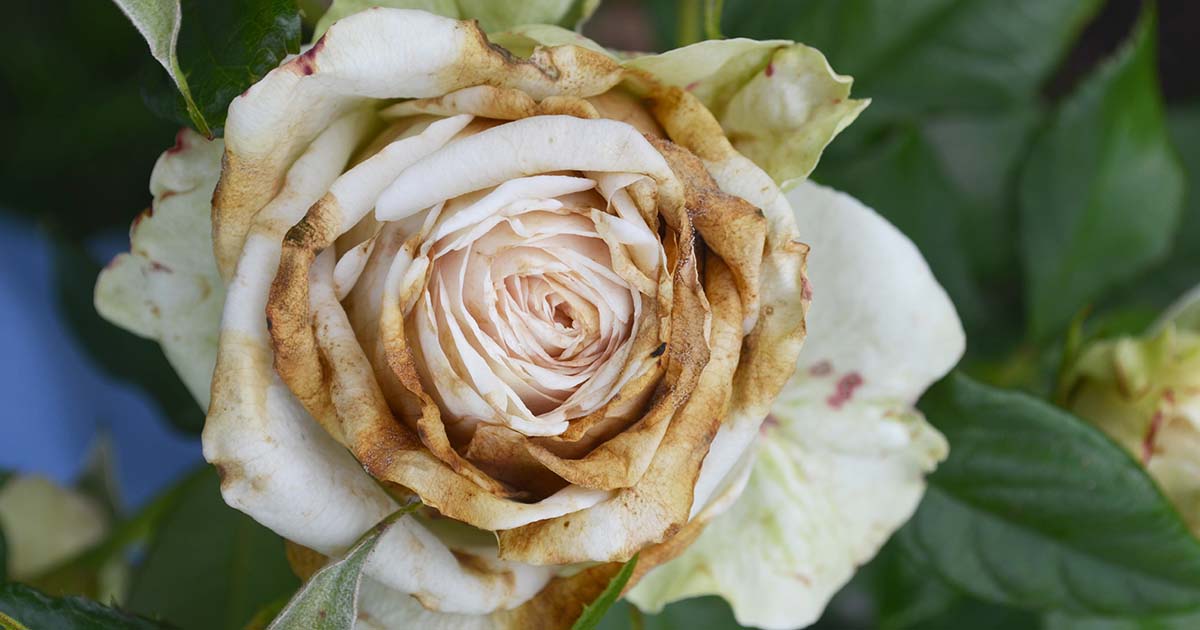
- Grey, black, dark brown
- Peeling, cracked, split, or shrivelled
- Clearly dead at the tips with weak structure below
Crossing stems are not “bad” because they cross. They are bad because they rub in wind, creating wounds that invite disease and weaken the cane over time.
The expert takeaway
If you do only one thing in rose pruning, do this. It is the safest way to prune roses without fear.
Rule 3: “Prune to an Outward-Facing Bud”
This is probably the most famous rule, and also one of the most misunderstood.
What it means
A bud (or growth eye) pointing outward is expected to push new growth away from the center, reducing congestion.
Why it is taught
Because an open center helps airflow, reduces disease risk, and makes the rose bush easier to manage.
The real context
Roses do not always follow instructions. A rose cane may have multiple buds along the stem and can push growth from whichever it chooses. You can encourage direction, but you cannot enforce it.
The expert takeaway
This is a useful guiding principle if it helps you think about future structure. But do not become obsessed. Rose pruning is not a single-bud chess game. If you removed the worst wood and improved airflow, you have already won.
Rule 4: “Prune to 3–7 Stems, 18–24 Inches High, Vase Shape”
This is the rule that causes the most damage when applied blindly. It is often taught as a universal formula, and it should not be.
Why this rule exists
It was designed primarily for certain rose types, especially:
- Hybrid teas
- Floribundas
- Some grandifloras
In those cases, hard pruning can push strong new canes and a dramatic early flush.
Why it fails for many roses
Many roses do not respond well to being cut down harshly every year, especially:
- Climbers
- Large shrub roses
- Old garden roses
- Once-blooming roses
For these, that formula can be unnecessarily aggressive and can reduce bloom, reduce structure, or ruin the intended growth habit.
The expert takeaway
There is no universal “correct height.” The correct height depends on:
- Rose genetics
- Your climate and growing season
- Your desired size and shape in the garden
- Whether the rose is once-blooming or repeat-blooming
So yes, vase shape can be helpful, but rose bush pruning is not a one-size-fits-all haircut.
Rule 5: “Use Clean, Sharp Tools”
This rule is not glamorous, but it is essential.
Why sharp tools matter
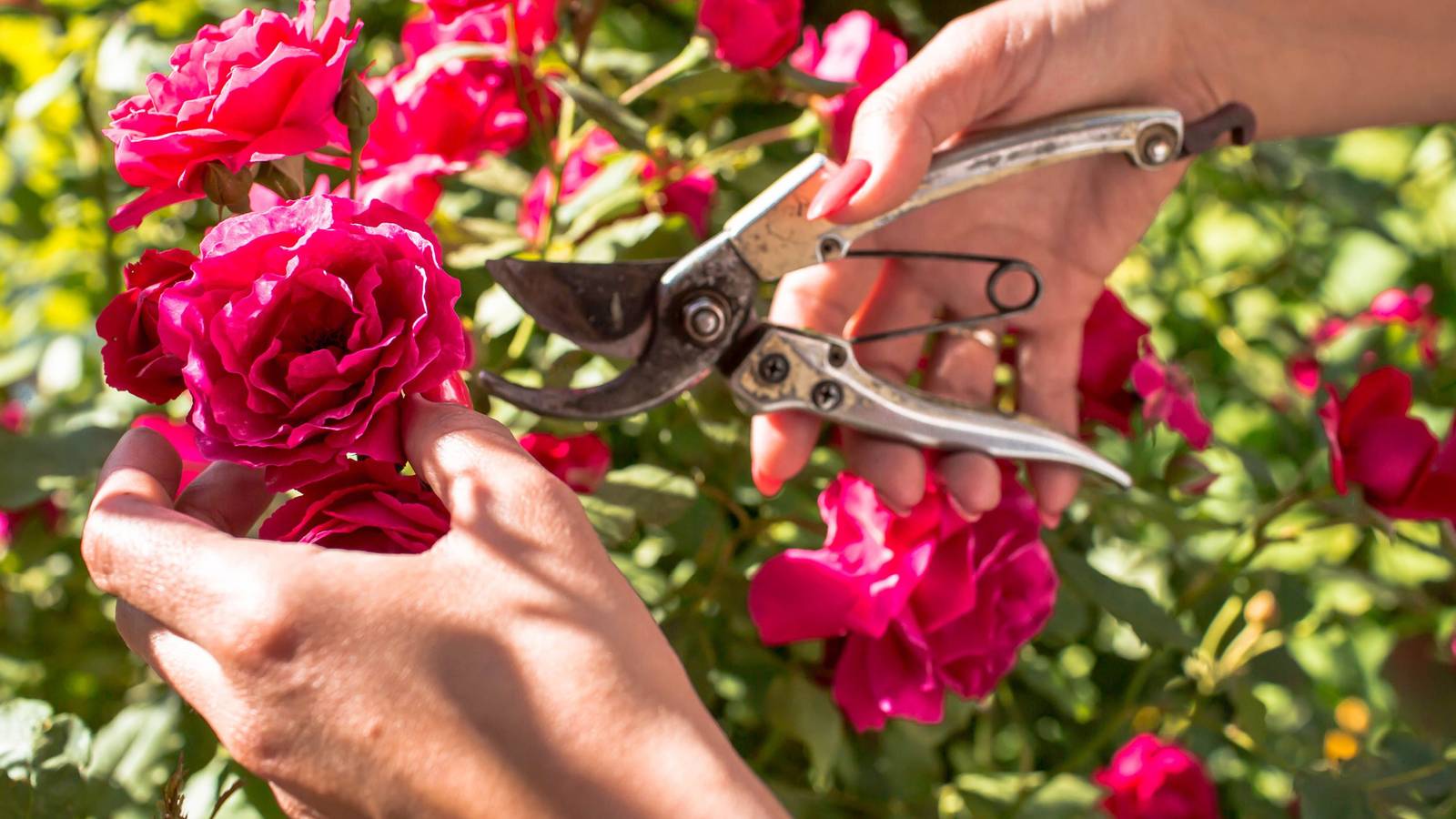
Sharp bypass pruners make clean cuts that heal faster and cause less tissue crushing.
Why clean tools matter
- Disease can spread between plants through pruning. If you cut a diseased rose and move to another rose without cleaning, you can carry problems with you.
- Tool guidance
- Use bypass pruners for most cuts
- Use a pruning saw for thicker canes (thicker than a finger is a good benchmark)
The expert takeaway
If you want rose pruning cuts to heal well, start here. Clean and sharp tools are not optional in serious rose plant care.

Rule 6: “Cut on an Angle and Seal Cuts With Glue”
This is the rule you can stop worrying about.
The angled cut myth
The claim is that angled cuts “shed water,” protecting buds. In wet climates, this is not meaningful. Everything gets wet. Everything dries when conditions allow. The cut angle does not magically protect the plant.
The sealing myth
Sealing rose pruning cuts with glue, nail polish, or wound paste is widely regarded as unnecessary in modern horticulture. It adds effort without reliable benefit.
The expert takeaway
Make clean cuts. Do not overcomplicate. Focus on structure, not superstition.
Rule 7: “Prune for a Balanced Shape and an Open Center”
This is not a rule so much as the real goal of rose pruning.
A well-pruned rose bush usually:
- Has improved airflow
- Has better light penetration
- Is not congested at the center
- Fits your garden space and looks intentional
The expert takeaway
“Pleasing shape” depends on your preference and the rose’s natural habit. Your job is not to force every rose into the same silhouette. Your job is to guide it into a healthy, manageable form.
This is how to prune roses like a gardener, not like a robot.
A Simple Rose Pruning Method You Can Use Every Year
If you want a practical process to follow, use this:
- Remove dead wood first (obvious improvement)
- Remove diseased and damaged canes
- Remove crossing/rubbing stems
- Open the center for airflow (do not over-thin)
- Shape for size (reduce height only as needed for your space)
- Step back and assess balance
That is rose bush pruning with context.
FAQ: Rose Pruning (Beginner Questions)
When to prune roses in a mild climate?
Often from early spring onward, but timing depends on rose type. Repeat bloomers tolerate a wider pruning window than once-bloomers.
How do I know if a rose cane is dead?
Dead wood is typically grey, brittle, peeling, or cracked. Healthy canes show stronger colour and firmness.
Do I need to prune to outward-facing buds every time?
No. It can help guide growth, but roses may push growth from multiple buds anyway.
Should I seal rose pruning cuts?
No. Focus on clean cuts and good airflow. Sealing cuts is generally unnecessary.
What are the most important rose pruning tools?
Sharp bypass pruners and a pruning saw for thicker wood. Cleaning tools between plants is also critical.
Get Rose Pruning Tools and Rose Care Support at DH Garden Centre
If you want your rose pruning to be easier this season, start with the right tools and the right plant care support. At DH Garden Centre, we can help you choose:
- Clean, sharp bypass pruners and pruning saws
- Soil and amendments for stronger rose growth
- Fertilizers suitable for repeat-blooming and shrub roses
- Practical guidance based on your rose type and garden goals
If you tell us what rose you have (hybrid tea, floribunda, climber, shrub, once-bloomer), we can recommend the most suitable pruning approach for your situation.

Whether you’re shopping for plant lovers, hunting for meaningful plants, or simply looking to add a touch of green to your own holiday décor, DH Garden Centre has everything you need for a joyful, vibrant, and beautifully green Christmas.
Visit DH Garden Centre today: where the holidays grow brighter, one plant at a time.
Keep reading


Have a plant question? Bring it to the counter.
DH Garden Centre is at 3742 West 10th Avenue in Kitsilano, Vancouver, open 11:00 to 6:30 every day. Bring the plant, or a photo of the spot you want to fill, and we will look at it with you. If you buy a pot here we repot the plant at the counter, soil included up to 5 litres.
