
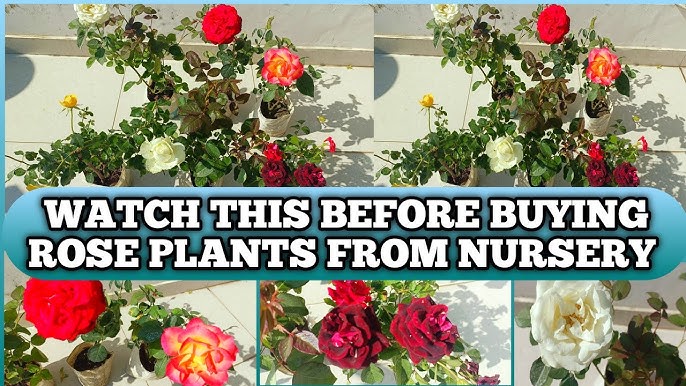
Learn rose care from a professional rose garden: how to care for roses from nursery selection to potting, rose fertilizer and foliar spray recipes, rose disease control, deadheading roses, and pruning roses for healthier blooms.
Roses have a reputation for being dramatic. People say they are “hard,” “fussy,” or “high maintenance.” The truth is simpler: rose care is predictable once you understand the fundamentals, and the plant responds beautifully when you meet them.
In a professional rose garden setting, the priorities are always the same: start with a healthy plant, establish strong roots, feed intelligently, keep foliage clean, and use pruning and deadheading to keep blooms coming. This rose care guide from DH Garden Centre walks you through the full process: buying roses, potting, watering, rose fertilizer, foliar feeding, rose disease control, deadheading roses, and pruning roses in a way that beginners can follow but experienced gardeners will respect.
1) Buying Roses: What to Look For at the Nursery
If you want success with rose garden care, the first win happens before you even pay for the plant. A rose that looks “pretty” in bloom can still be a poor purchase if it has stressed foliage or weak roots.
Look for healthy green foliage
When buying roses, your first inspection is the canopy:
-
Leaves should look green, firm, and hydrated
-
Avoid roses with wilted, dried, or heavily spotted foliage
-
Avoid plants that look like they have been repeatedly stressed (thin stems, pale growth, or a tired canopy)
Healthy foliage is the visible proof the plant can photosynthesize and rebuild after transplant.

Check the root ball (yes, you can)
Many people do not realize you can examine the root ball at the nursery. If the plant is extremely root-bound, roots will circle tightly around the container, often forming a dense “basket.”
A slightly root-bound rose can recover with proper potting, but if you have options, choose the rose with:
-
Roots that are present but not strangling the pot
-
No sour smell (a red flag for root issues)
-
A root system that is not fully wrapped into a tight spiral
Buying a healthier root structure makes how to care for roses much easier later.
Consider choosing roses without blooms
This advice surprises people, but it is practical. Flowers can signal the plant is spending energy on an end-stage bloom cycle rather than on root establishment.
If you can, pick a rose with:
-
Strong foliage
-
Visible buds (fine)
-
Few or no open flowers
If you must buy one in bloom, do not panic. You can still succeed, but you may need to make one painful choice after potting.
2) Potting Roses Correctly: Tools, Soil Mix, and Root Training
Good rose care begins with correct planting depth, stable soil structure, and roots that are encouraged to grow outward.
Tools you will want
For potting and early rose garden care, keep it simple:
-
Leather gloves (or gauntlet gloves if thorns are aggressive)
-
Sharp hand pruners
-
Hand trowel
-
Watering can
-
Your chosen rose fertilizer

Use a well-structured soil mix
A strong container mix supports both moisture retention and drainage. A reliable baseline blend is:
-
Quality potting soil
-
Compost
-
A drainage improver such as perlite
This gives roots oxygen while holding enough moisture for steady growth.
Train the roots if the rose is root-bound
Root training is straightforward. If roots are circling, gently massage and loosen them. The goal is not to destroy the root ball, but to encourage outward growth instead of continued spiraling.
This step matters because circling roots can:
-
Restrict future growth
-
Reduce water uptake efficiency
-
Limit nutrient access from your rose fertilizer
Set the correct soil line
A common mistake in how to care for roses is planting too deep or too high. In containers, aim to match the rose’s original soil line so the root ball sits correctly and the plant is stable.
Then backfill by adding soil around the root ball and pressing lightly to remove air pockets. Firm does not mean compacted. You want stability without suffocating the root zone.
3) Watering Roses After Potting: The “Water Twice” Method
Watering mistakes are one of the biggest causes of poor rose care in containers.
A professional approach is:
-
Water until you see water draining out the bottom
-
Wait a short period for the soil to settle
-
Water again until drainage occurs
This ensures:
-
Even moisture distribution
-
Soil settles around roots
-
No dry pockets remain inside the pot
Container roses should never sit in waterlogged soil, but they also should not be “half-watered.” Proper saturation with drainage is ideal.
4) Should You Cut Off Blooms After Buying Roses?
Here is the painful truth: sometimes, yes.
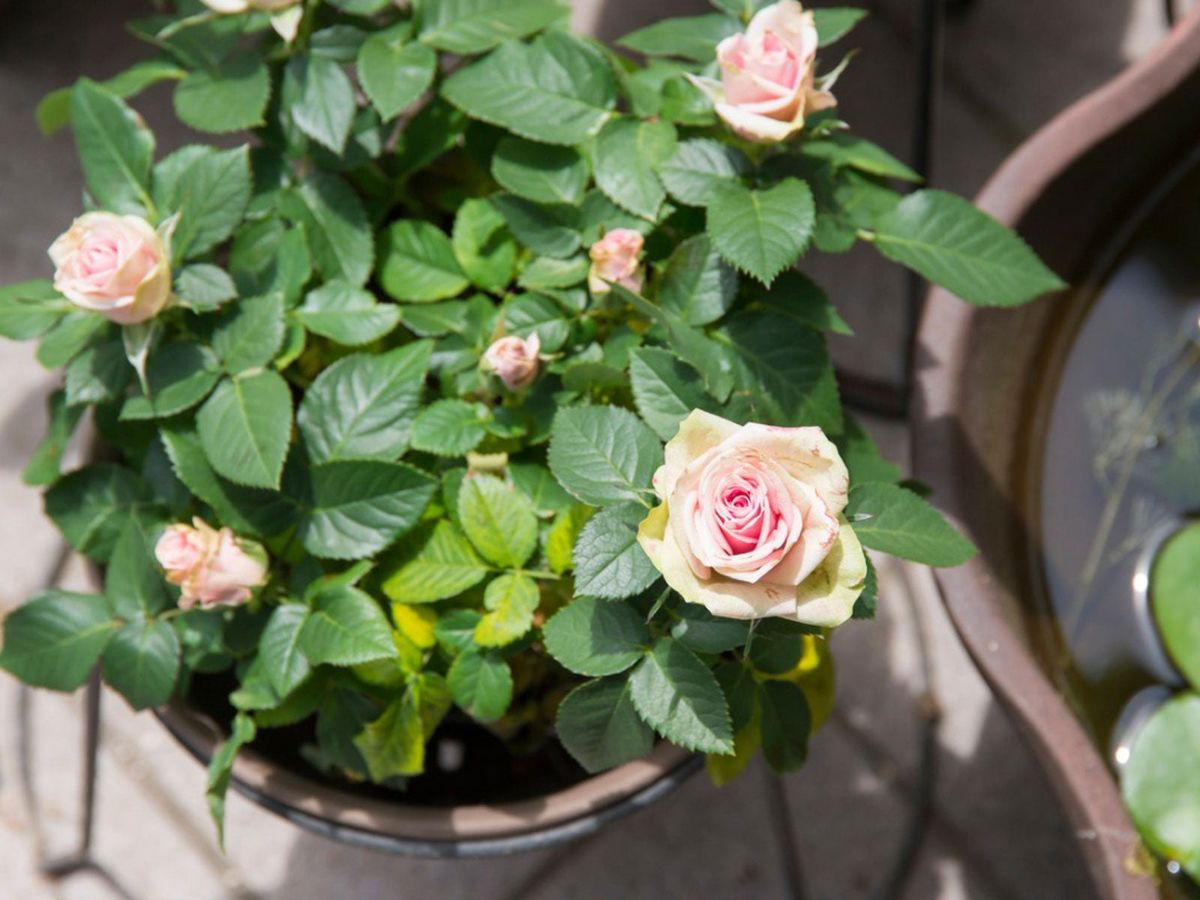
If your rose came home full of flowers, it is tempting to keep them for instant beauty. But flowers are energy expensive. If the plant needs to establish roots, removing existing blooms can redirect energy into:
-
Root recovery
-
Stronger new growth
-
Future blooms that are larger and more durable
If there are buds close to opening, you may keep a few. But if the plant looks stressed, a clean reset is often the smartest move in rose garden care.
5) Rose Fertilizer Strategy: Feeding Roses for Real Performance
Roses are heavy feeders. If you want blooms that look intentional instead of tired, rose fertilizer is not optional.
A practical schedule many professional gardens use:
-
Foliar feeding: about 3 times per year
-
Granular feeding: about 3–4 times per year (depending on performance)
Foliar feeding: why it works
A rose foliar spray delivers nutrients through leaves and can provide rapid response in active growth periods. The key is to spray thoroughly, not timidly.

A good method:
-
Spray until you see liquid lightly dripping
-
Make sure foliage and canopy are evenly coated
-
Avoid blasting during the hottest hours
This is one of the most effective “performance levers” in how to care for roses.
6) Rose Disease Control: Fungal Issues, Hygiene, and Prevention
Most rose problems are not “mystery curses.” They are environment plus moisture plus poor airflow.
The core rule: reduce fungal opportunity
Many fungal issues thrive in sustained moisture. Good rose disease control relies on:
-
Pruning for airflow
-
Removing infected material quickly
-
Keeping the base of the plant clean
If you see fungal infection, cut it off. Then disinfect tools between cuts.
Disinfecting tools
Use 70% isopropyl alcohol and wipe your blade between cuts, especially when moving from an infected stem to healthy growth. This is basic hygiene and a major upgrade in rose garden care.
Remove debris from the base
Do not leave infected leaves and cuttings under the rose. Rain can splash spores back onto foliage and restart the cycle.
7) Deadheading Roses: How to Trigger More Blooms
If you want repeat blooms, deadheading roses is essential. The goal is to remove spent flowers so the rose redirects energy into new growth instead of seed production.
The “tap test” for spent blooms
A simple technique:
-
Gently tap the bloom
-
If petals fall easily, it is on the way out
-
If it holds firm, it still has life

Where to cut when deadheading roses
Traditional rose care advice (especially in climates with winter seasons) is:
-
Find the first five-leaflet leaf (sometimes the first seven-leaflet)
-
Cut above it with clean pruners
A quick anatomy reminder:
-
The whole structure is a leaf
-
Each segment is a leaflet
Cut placement influences the strength of the next shoot.
Cut angle: do not obsess
Some gardeners insist on a perfect 45-degree cut. In drier climates, it matters less. The real issue is clean cuts and healthy airflow. Overthinking angle often distracts from the bigger priorities of rose garden care.
8) Pruning Roses in Early January: The Structure Reset
Pruning is the backbone of long-term rose care. Many professional gardens prune in early January to prepare for spring growth.
Tools for pruning roses
-
Hand pruners for most cuts
-
Loppers for thicker canes
-
Hand saw for deadwood or very thick stems
-
Gauntlet gloves for wrist protection
Electric pruners exist and can be useful, but they are not required. Sharp manual tools will do the job.
De-leafing: why professionals pull leaves off
A key professional technique is de-leafing before pruning roses. Instead of cutting leaves off with pruners, pull downward so the base detaches cleanly.
Why?
-
It reduces leftover tissue that can collect moisture
-
It protects buds beneath the leaf base
-
It reduces the chance of bud damage during wet conditions
This is small detail, but it is advanced-quality rose garden care.
The pruning sequence
When pruning roses, start with:
-
Dead, deranged, or damaged canes
-
Then crossing stems that reduce airflow
-
Then reduce overall size to a manageable structure
Hybrid tea roses are often maintained in a vase shape. That means encouraging outward growth to keep the center open.
9) A Confidence Trick: “Make the Obvious Cut First”
One of the best lessons for pruning roses is psychological: when you do not know what to cut next, make the most obvious cut first.
After that cut, the next decision becomes clearer because you can finally see the structure. This is why pruning with foliage and dead clutter still attached feels impossible.
A useful practice is to mentally justify each cut:
-
Why did I cut here? Too small.
-
Why did I cut here? Crossing.
-
Why did I cut here? Old woody stem with no good future growth.
That is how experienced gardeners do rose bush pruning without hesitation.
FAQ: Rose Care, Deadheading, Pruning, Fertilizer
How to care for roses after buying them?
Focus on root establishment: correct potting depth, thorough watering with drainage, and remove heavy blooms if the plant looks stressed.
Is it okay to buy roses already blooming?
Yes, but it may be smart to cut blooms off after potting so the plant redirects energy into roots and future flowering.
How often should I use rose fertilizer?
Many strong systems use granular feeding 3–4 times yearly and foliar feeding around 3 times yearly, adjusted to plant performance.
How do I prevent rose fungal problems?
Improve airflow (pruning roses), remove infected leaves, disinfect tools with 70% isopropyl alcohol, and keep the base clean.
Where do I cut when deadheading roses?
Common practice is cutting above the first five-leaflet leaf (or seven-leaflet in some cases), using sharp, clean pruners.
Upgrade Your Rose Care With DH Garden Centre
If you want better blooms and fewer problems, start with the right foundation: healthy plants, structured soil, correct feeding, and clean pruning habits. At DH Garden Centre, we can help you select roses, choose the right rose fertilizer, and set up a simple seasonal routine for deadheading roses and pruning roses.
Tell us whether you are growing roses in pots or in-ground, and what rose type you have, and we will recommend a practical care plan.

Whether you’re shopping for plant lovers, hunting for meaningful plants, or simply looking to add a touch of green to your own holiday décor, DH Garden Centre has everything you need for a joyful, vibrant, and beautifully green Christmas.
Visit DH Garden Centre today: where the holidays grow brighter, one plant at a time.
Keep reading


Have a plant question? Bring it to the counter.
DH Garden Centre is at 3742 West 10th Avenue in Kitsilano, Vancouver, open 11:00 to 6:30 every day. Bring the plant, or a photo of the spot you want to fill, and we will look at it with you. If you buy a pot here we repot the plant at the counter, soil included up to 5 litres.
