
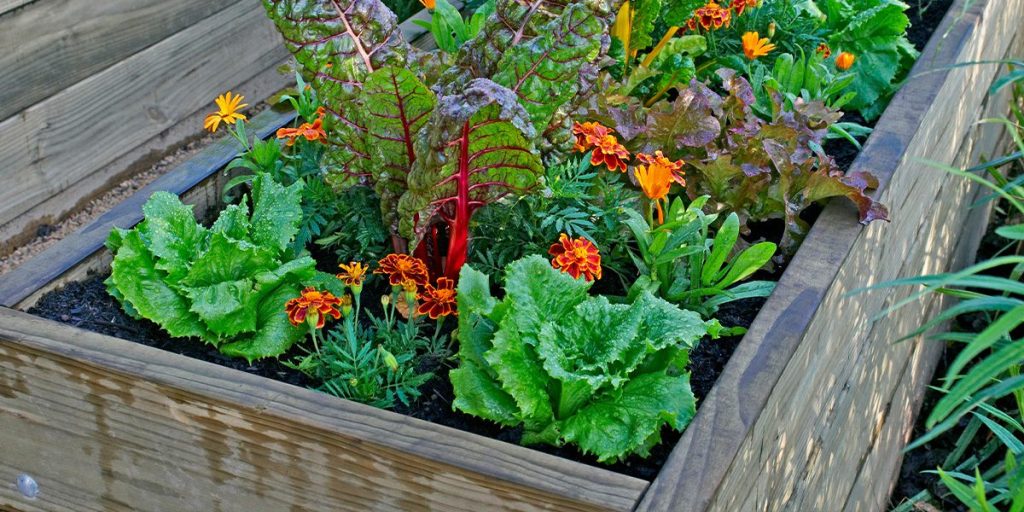
Avoid the most common gardening mistakes Canadian growers make. Learn practical tips on plant spacing, soil health, pests, timing, and beginner-friendly crops.
Gardening in Canada is an adventure. Our four seasons can feel like twelve, frost dates jump unpredictably, and every region from Vancouver Island to Nova Scotia has its own unique challenges. Yet gardening remains one of the most rewarding activities Canadians return to year after year. The joy of a fresh harvest is unbeatable. But even the most enthusiastic gardeners often fall into a few traps that can lead to disappointing results.
In this guide, we will explore the top five common gardening mistakes, why they happen, and exactly what you can do to avoid them. Whether you’re a beginner starting your first raised bed or a seasoned grower trying to improve your yields, these practical Canadian-specific tips will help you garden smarter, not harder.
1. Starting Too Big: The Most Canadian Gardening Mistake of All
One of the most common gardening mistakes beginners make in Canada is starting with a garden that’s too large. It usually begins with excitement in March or April when the seed catalogues come out and everyone imagines lush summer beds overflowing with vegetables. But by June, when the weeding, watering, pest control, and daily maintenance stack up, burnout quickly sets in.
A big garden demands big energy, and if you’re juggling work, family, or unpredictable weather (hello, surprise late May frost!), overwhelm happens fast.
Start Small and Manageable
If you’re a beginner, begin with a space similar to the one the gardener:
• one or two raised beds
• a few containers
• a small patio garden
That’s it. This ensures you never feel overwhelmed, and you stay excited long enough to learn what works and what doesn’t.
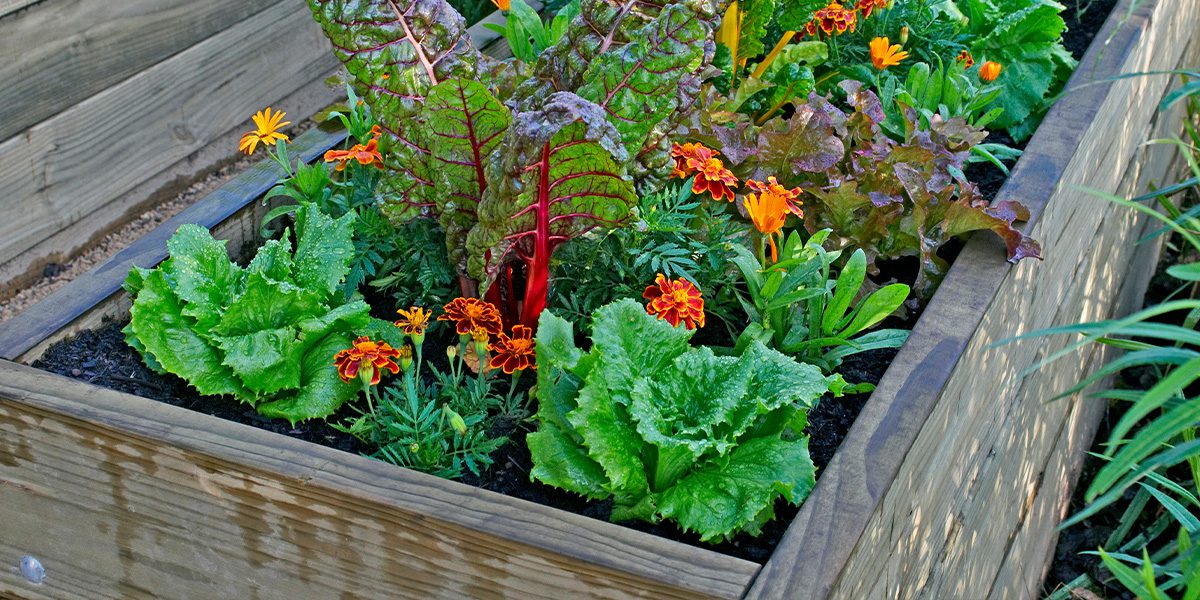
Best Easy Vegetables for Canadian Beginners
To guarantee early success, choose easy-to-grow vegetables that perform reliably in Canadian climates:
• beans (especially pole beans)
• potatoes
• garlic
• onions
• salad greens
• chard
• zucchini and other squash
These crops tolerate cooler nights, inconsistent weather, and occasional neglect far better than heat-loving plants like tomatoes or peppers.
2. Cramming Plants Together: Overcrowding and Why It Hurts Yields
Overcrowding is one of the most overlooked beginner gardening mistakes. Canadians often start seedlings indoors early because winter is long. And when all those seedlings survive, it’s tempting to plant everything outdoors.
But overcrowding leads to:
• weak plants
• reduced airflow
• increased fungal problems
• lower yields
• nutrient competition
Imagine sowing a full packet of broccoli seeds, hundreds of seeds, and trying to grow them all. It simply doesn’t work.
Plant Spacing Matters in Canada
Cold soils warm slowly. When plants are too close together, their roots fight for limited nutrients during early spring growth. Give each plant the space it needs.
If you use a garden planner, look for tools that show spacing visually. The coloured root-zone indicators help prevent overcrowding long before planting.
Be Cruel to Be Kind
• Select only the strongest seedlings
• Compost or share the rest
• Save leftover seeds for next season
Healthy spacing creates healthier harvests. One strong plant produces more than five crowded ones.
3. Ignoring Nature: Not Planning for Pests or Beneficial Insects
Canadian gardeners sometimes assume pests are a sign that they did something wrong. But pests are simply part of gardening. Aphids, whitefly, cabbage moths, and carrot fly all thrive across Canadian provinces.
Instead of fighting nature, the goal is to work with it.
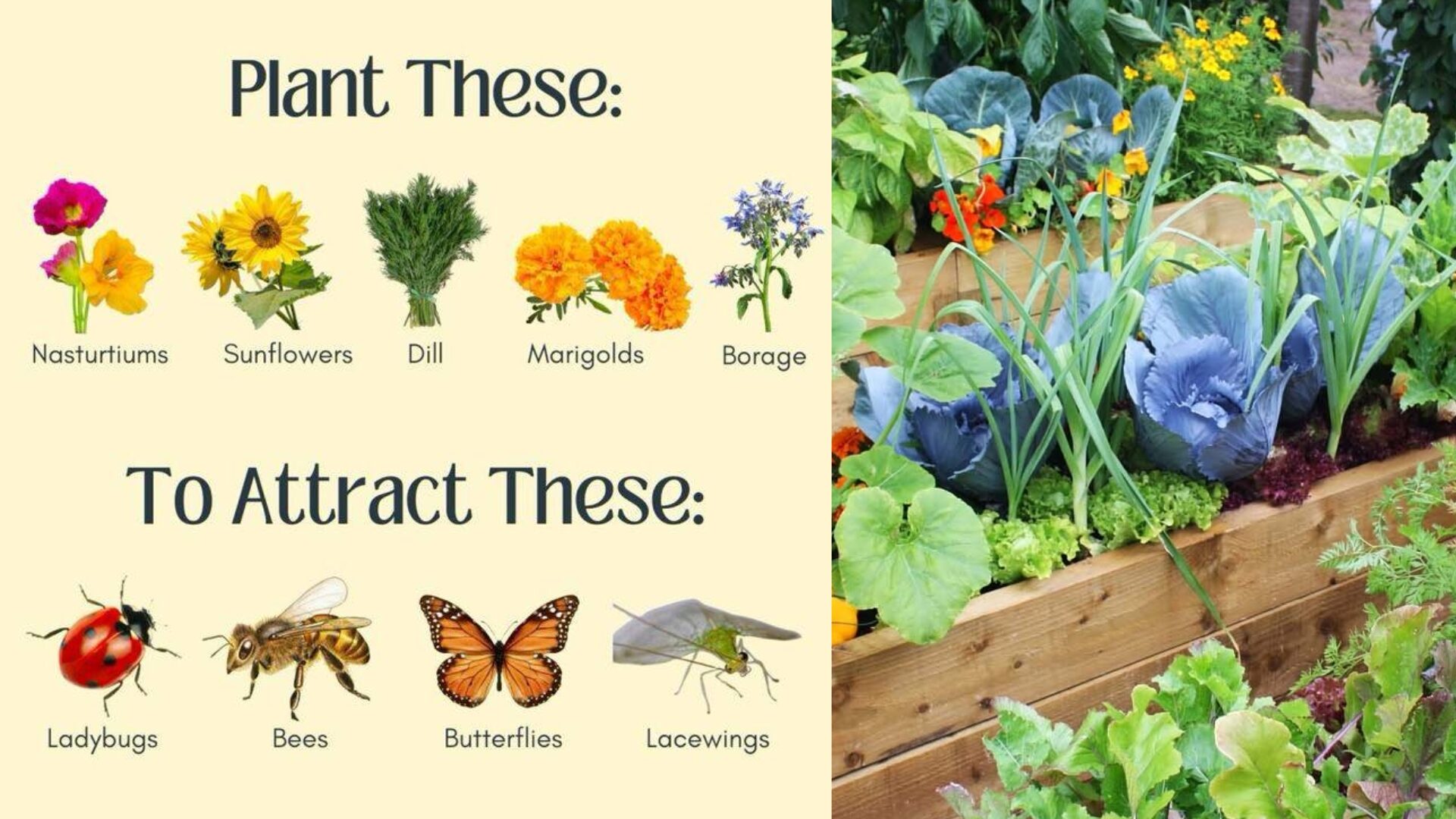
Use Companion Planting to Attract Beneficial Insects
Integrate flowers that attract natural predators such as hoverflies, ladybugs, lacewings, and parasitic wasps.
Great companions for Canadian gardens include:
• calendula
• alyssum
• dill
• fennel
• cosmos
• borage
• yarrow
Add early-flowering crops by letting garlic, onions, and carrots overwinter so they bloom in their second year, creating nectar for beneficial insects in early spring.
Protect Vulnerable Crops
Some vegetables need more than natural predators.
For Brassicas (kale, cabbage, broccoli):
• cover with insect netting to block cabbage moths
• keep beds grouped to simplify netting
For carrots:
• use fine mesh to protect from carrot fly
• avoid thinning on windy days to prevent attracting pests
These low-cost, high-impact steps drastically reduce pest pressure.
4. Planting Everything at Once: Timing Mistakes and Frost Damage
Planting early feels exciting, especially after surviving a long winter, but Canadian weather demands caution. A powerful cold snap, late frost, slug attack, or overly hungry birds can destroy weeks of effort within a night.
Stagger Your Sowing (Succession Planting)
Instead of planting everything in a single weekend, sow in small batches every 2–3 weeks. This gives you:
• backup seedlings if something gets damaged
• continuous harvest instead of one large glut
• reduced garden stress
Most Canadian seed packets include a sowing window use it.
If your gardening planner offers email reminders, turn them on. They help maintain steady planting without overwhelm.
Know Your Last Frost Date
Canada’s frost dates vary widely:
• Vancouver: early March
• Toronto: mid-May
• Calgary: early June
Always check your region’s frost history before planting tender crops outdoors.
5. Neglecting Soil Nutrition: The Silent Killer of Canadian Gardens
Soil is alive. Every harvest removes nutrients, and Canadian soils, especially in colder regions, break down organic matter slower than in warmer countries.
Planting vegetables and hoping for the best is one of the biggest gardening mistakes.
Feed Your Soil, Not Just Your Plants
The best solution is adding organic matter, such as:
• compost
• well-rotted manure
• worm castings
• leaf mold

Spread 2–5 cm of organic matter around your beds. You do not need to dig it in. Let nature work it into the soil over time.
Benefits include:
• improved soil structure
• better moisture retention
• increased microbial life
• healthier, faster-growing plants
Container Gardening in Canada Needs Extra Care
Plants in pots rely 100 percent on you for nutrition. Once nutrients are depleted, apply:
• tomato fertilizer
• balanced organic liquid feed
• homemade comfrey tea
Feeding regularly keeps containers productive all season.
FAQ: Common Gardening Questions From Canadians
1. What are the easiest vegetables to grow in Canada?
Beans, potatoes, salad greens, zucchini, garlic, and onions perform exceptionally well across Canadian climates.
2. How can I prevent pests naturally?
Use companion planting, attract beneficial insects, and use netting for vulnerable crops like broccoli and carrots.
3. Why isn’t my garden producing much food?
Common causes include poor soil nutrition, overcrowding, lack of sunlight, and planting at the wrong time.
4. How often should I add compost?
At least once or twice per season. Adding a thin layer around active crops is highly effective.
5. When should I start seeds indoors in Canada?
Most vegetables are started 4-8 weeks before the last frost date. Check your local frost schedule.
If you’re ready to grow a healthier, more productive garden this year, start by avoiding these five common mistakes. Whether you’re gardening on a balcony in Toronto or tending raised beds in Victoria, small strategic changes will transform your harvest.
Happy growing, Canada.

Whether you’re shopping for plant lovers, hunting for meaningful plants, or simply looking to add a touch of green to your own holiday décor, DH Garden Centre has everything you need for a joyful, vibrant, and beautifully green Christmas.
Visit DH Garden Centre today: where the holidays grow brighter, one plant at a time.
