
Learn a proven DIY potting soil recipe using coco coir, compost, perlite, and vermiculite. Includes exact ratios, upgrades, FAQs, and cost-smart tips from DH Garden Centre.
DIY Potting Soil Mix That Actually Works: The 3:2:1 Recipe (Plus an “Advanced” Upgrade)
If you have ever bought bagged potting soil, opened it, and thought: “This feels like damp wood fluff,” you are not alone. Most garden soil problems do not start with pests or bad weather. They start with a mix that holds too much water, drains too fast, compacts, or runs out of nutrients early.
At DH Garden Centre, we are practical about this: good soil is not a mystery. It is a recipe. And like every good recipe, it needs the right structure, moisture balance, airflow, and a sensible nutrition plan.
This guide walks you through a proven DIY potting soil mix built around a simple ratio that performs well in both raised beds and containers. It is also scalable, so you can mix a small batch on a tarp or build enough for multiple beds.
Why Make Your Own Soil?
A well-built mix delivers four outcomes that cheap bagged soil cannot promise consistently:
-
Stable moisture (not soggy, not bone dry)
-
Air pockets for roots (oxygen is not optional)
-
Good structure (no compaction, no muddy collapse)
-
Predictable fertility management (you control what goes in)
When you fix soil, you are not just feeding plants. You are building an environment where roots can behave like roots, instead of struggling like a commuter stuck in traffic.
The Foundation: Coco Coir vs Peat Moss
Why coco coir is often the smarter base
A high-performing coco coir soil mix is popular for good reasons:
-
Neutral pH compared to peat, which tends to be more acidic
-
Re-wets easily after drying out, unlike peat, which can become hydrophobic
-
Balances moisture retention and drainage, rather than clinging to water too long
Peat moss can still work, but it demands more careful watering discipline. Coco coir is generally more forgiving for home gardeners and container growers.
This matters, because most people do not kill plants with “too much water” in one day. They kill them with soil that stays wet for too long.

The Core Recipe: 3:2:1 Soil Mix (Raised Beds + Containers)
This is the main potting soil recipe:
The 3:2:1 Ratio
-
3 parts coco coir
-
2 parts compost
-
1 part aeration blend (perlite + vermiculite combined)
This is a refinement of older “equal thirds” formulas and typically performs better because it avoids overloading on vermiculite.
Why this ratio works
-
Coco coir provides structure and moisture buffering
-
Compost provides biology and baseline nutrients
-
Perlite increases drainage and oxygen
-
Vermiculite improves moisture retention without turning the mix into soup
The “one part blend” is important because compost and coir both hold water well. Perlite keeps the root zone breathable. Vermiculite prevents the mix from drying too fast.
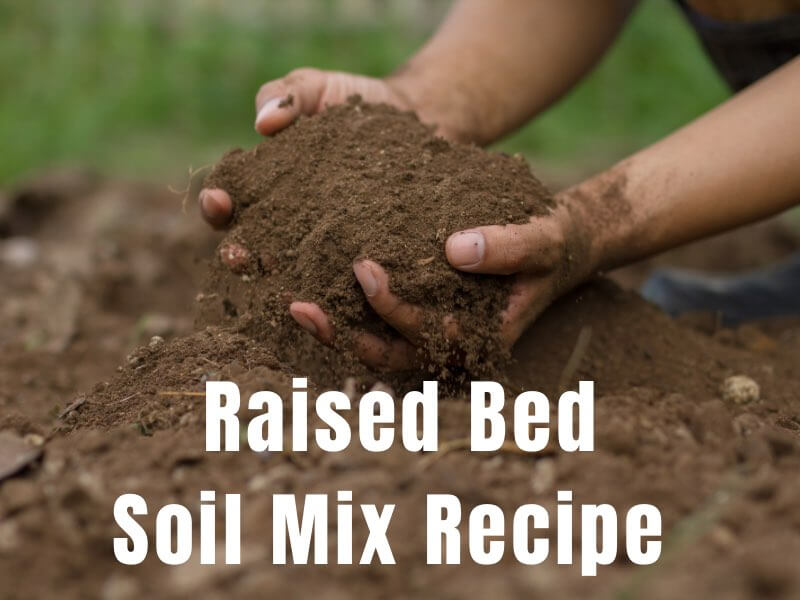
Exact Measurements Using 5-Gallon Buckets
Using a 5-gallon bucket as a measuring tool makes this recipe scalable.
Example batch (good for a small raised bed or several pots)
-
3 buckets coco coir (expanded from blocks or loose)
-
2 buckets compost
-
1 bucket total aeration blend
-
1/2 bucket perlite
-
1/2 bucket vermiculite
-
If you want the mix more container-friendly, increase perlite slightly:
-
Make the 1 bucket aeration blend closer to 70% perlite / 30% vermiculite
If you want the mix more raised-bed friendly (especially in hot summers):
-
Make the aeration blend closer to 50/50
Choosing Compost: The Part Most People Get Wrong
Compost quality varies wildly.
Good compost should be:
-
Dark and crumbly
-
Mild earthy smell, not sour or ammonia
-
Free of big chunks that will not break down
A note on mushroom compost
Mushroom compost can be useful, but it may be more “spent” depending on the source. If your compost is less nutrient-dense, you will still get structure and biology, but you must plan fertility properly.
That is not a flaw. It is simply gardening done with open eyes.
How to Mix It Without Making a Mess
The tarp method
-
Lay a tarp on a flat surface
-
Add ingredients in piles based on your bucket counts
-
Fold tarp edges inward repeatedly to tumble-mix
-
Finish by hand-mixing to break up pockets
The goal is a mix that looks and feels like this:
-
Light, fluffy texture
-
Holds shape when squeezed lightly
-
Breaks apart easily with a finger press
-
No wet clods, no dust clouds
Fertility Strategy: Two Legit Ways (Pick One)
Here is where many DIY soil guides become vague. Do not. Choose one approach.
Option A: Base Mix + Fertilize When Planting
This is clean and predictable:
-
Build the 3:2:1 mix
-
When planting, mix a balanced fertilizer into the top few inches of soil
Why this works:
-
Nutrients are placed where new roots will grow
-
You avoid burying fertilizer deep where it is less useful
-
You reduce burn risk
Option B: “Advanced Mix” With Organic Amendments
If you want to push performance (especially for heavy feeders), you can add:
-
Worm castings (small percentage, not the whole compost portion)
-
Kelp meal (micronutrients, growth support)
-
Seaweed extract (use carefully, follow label rates)
-
Biochar (improves long-term structure and nutrient holding)
This can improve resilience, but it is not magic. The basic mix already works well if you manage feeding responsibly.
How to Use This Mix in Raised Beds
This raised bed soil mix can be used as a complete fill or as a top-up layer.
New raised bed fill
-
Use the mix as the main growing layer
-
If the bed is very deep, you can use cheaper filler beneath, but keep the top growing zone high quality
Existing beds (maintenance approach)
The good news: you do not need to rebuild soil every year.
Each season:
-
Add 1–2 inches compost on top
-
Use fertilizer at planting time
-
Mulch to reduce water stress and structure breakdown
This is how you build long-term soil wealth, not short-term soil hype.

How to Use This Mix in Containers
For containers, you want:
-
Strong drainage
-
Stable moisture
-
Nutrients that do not disappear after two weeks
Recommended tweak:
-
Slightly increase perlite
-
Avoid too much vermiculite if your climate is humid or your watering is heavy-handed
Tip: in pots, structure matters more than “nutrients.” You can feed plants. You cannot easily fix anaerobic roots.
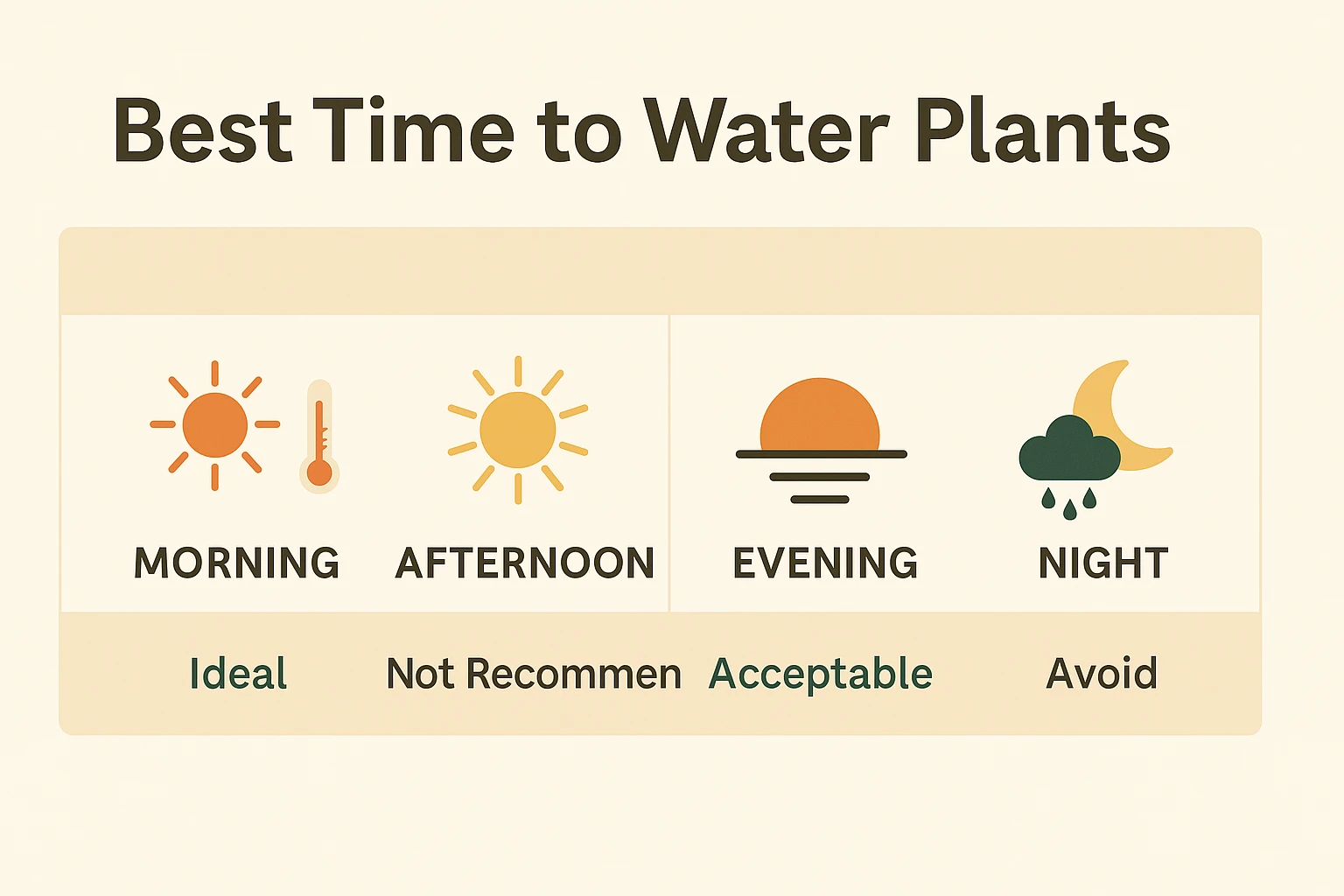
Watering: The Soil Should Guide You, Not the Calendar
Good soil makes watering easier, but it does not eliminate judgment.
-
Water thoroughly until it drains
-
Let the upper layer dry slightly before watering again
-
In containers, lift the pot to feel weight change
-
In raised beds, check 5–7 cm down with a finger
When soil stays wet too long, roots suffocate first, then rot second. Rot is not the first failure. It is the final symptom.
Cost and Practical Sourcing Tips
If you can source materials in bulk, DIY is often cheaper than premium bagged soil. If you cannot, it can still be worth it because you are controlling performance.
At DH Garden Centre, this is the practical shopping list most gardeners need for this build:
-
Coco coir (blocks or loose)
-
Quality compost
-
Perlite
-
Vermiculite
-
Optional: worm castings, kelp meal, biochar
FAQ
Is coco coir better than peat moss?
For many home gardeners, yes. Coco coir re-wets more easily and tends to be more forgiving. Peat can work well but often requires tighter watering discipline.
Keywords: coco coir soil mix, diy potting soil mix
Can I use only compost and coco coir?
Not recommended. You will often lose aeration and risk compaction. Roots need oxygen. Always include perlite or another aeration component.
Keywords: potting soil recipe, raised bed soil mix
Can I replace perlite with something else?
You can use pumice or coarse horticultural grit. Avoid sand in mixes meant for containers, because it can compact and reduce oxygen.
Do I need worm castings?
Not required. They help, but the mix can succeed without them if your fertility plan is solid.
How long does this soil last?
If you maintain it with compost top-ups and reasonable feeding, it can last for years. The structure slowly changes over time, but it does not “expire” in one season.
A Practical Closing Thought
A good soil mix is like a good foundation: it is not flashy, but it decides everything. When you build a balanced DIY potting soil mix with coco coir, compost, perlite, and vermiculite, you give plants the conditions they need to do what they were designed to do.
And then gardening becomes simpler. Not effortless, but honest.
Ready to mix your own soil this season?
Visit DH Garden Centre for:
-
Coco coir blocks, perlite, vermiculite
-
Premium compost and worm castings
-
Organic amendments for the “advanced mix”
Keywords: DH Garden Centre, diy potting soil mix

Whether you’re shopping for plant lovers, hunting for meaningful plants, or simply looking to add a touch of green to your own holiday décor, DH Garden Centre has everything you need for a joyful, vibrant, and beautifully green Christmas.
Visit DH Garden Centre today: where the holidays grow brighter, one plant at a time.
