

Discover easy December garden wins you can do today in Canada. Learn how to protect plants from winter storms, mulch properly, check pests during mild spells, manage watering, prepare greenhouses, care for winter vegetables, and set your garden up for spring success.

Introduction: December Doesn’t Have to Be Garden Dead Season
December in Canada often arrives with short days, sharp winds, and soil that’s already stiffening with frost. But this doesn’t mean gardening has to stop. Far from it, December is packed with easy wins that protect your garden, boost next season’s productivity, and give you reasons to get outdoors for fresh air and clarity.
Many Canadians google terms like “December gardening Canada,” “winter garden tasks Canada,” and “how to protect plants in winter,” because this shoulder season is misunderstood. With a few smart moves, you can set up your garden for a more resilient and healthier spring.
Let’s walk through the Top 10 Easy December Garden Wins You Can Do Today – each rooted in practical, expert-level winter gardening experience specific to Canadian conditions.
1. Secure Your Garden Against Winter Storms
Canadian winter winds can be fierce enough to send pots, trays, and even furniture tumbling. December is the perfect time to go around your garden and storm-proof everything.
What to do:
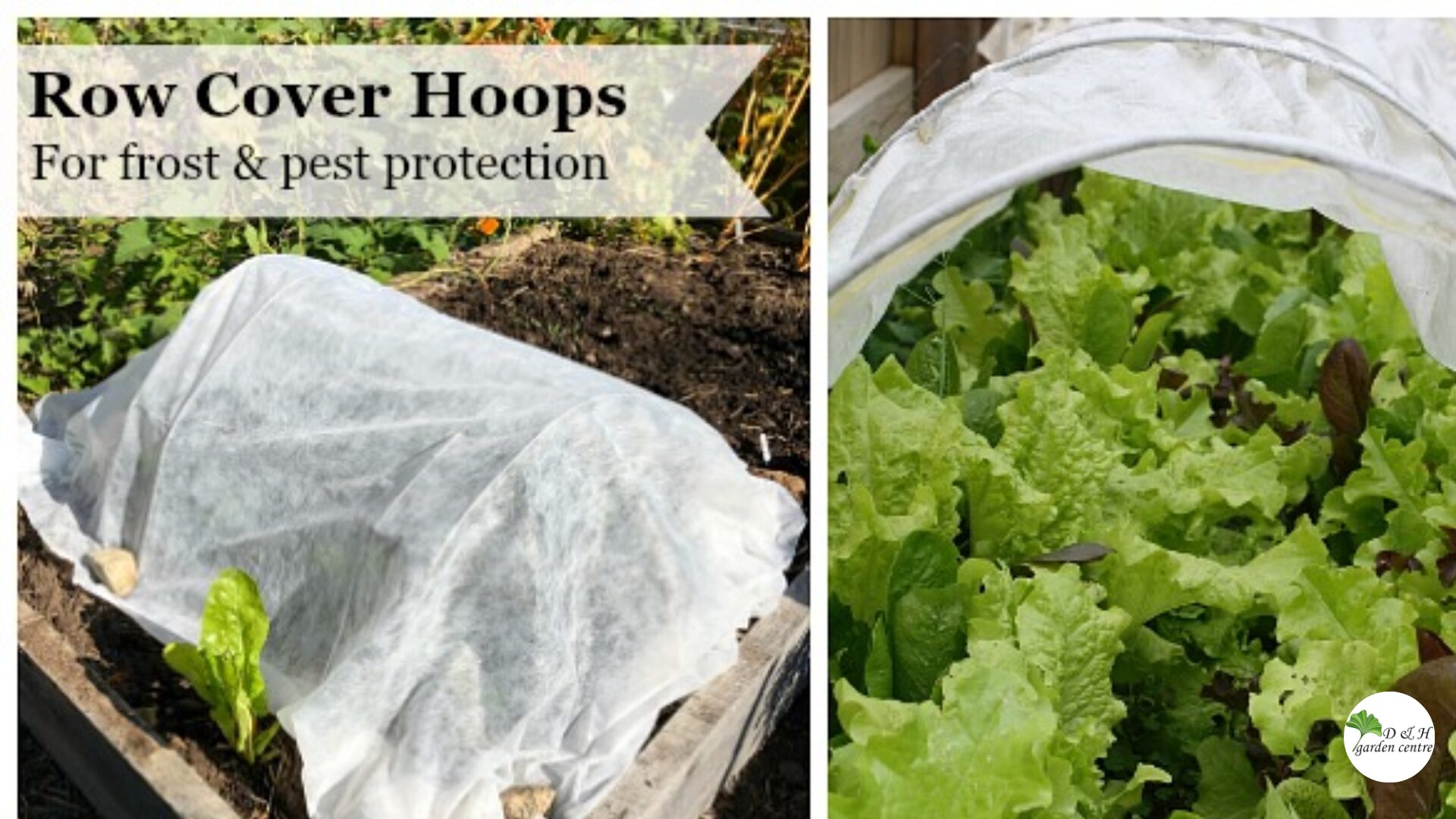
• Check and tighten crop covers
• Weigh down fleece or row covers with bricks or stones
• Tie tall vegetables (Brussels sprouts, sprouting broccoli) to sturdy stakes
• Remove yellowed or damaged leaves to reduce wind drag
• Store loose objects: pots, trays, watering cans, lightweight furniture
Strong winds don’t just cause physical damage, they dry out soil, stress roots, and dislodge new plantings. A single 10-minute check can prevent a season’s worth of headaches.
2. Clean Pots, Trays, and Tools for the Growing Season Ahead
December is an ideal time to clean gardening equipment because growth is slow and tools are idle. Many Canadians skip this step, but it’s one of the most impactful December garden wins.
Cleaning your supplies helps you:
• Remove mold spores
• Reduce overwintering pests
• Prevent damping-off disease in seedlings
• Start spring with organized, ready-to-use tools
A garden hose spray removes most grime. After that, wash pots and trays with hot water and a small amount of eco-friendly dish soap. Scrub off ingrained dirt, rinse thoroughly, and air-dry.
Stack everything neatly by size. Next spring, you’ll be grateful.
3. Inspect for Winter Pests During Mild Spells
While hard freezes keep pests dormant, many areas of Canada, especially coastal British Columbia and southern Ontario, get mild winter breaks that wake up unwanted insects.
Watch for:
• Spider mites
• Aphids
• Whitefly (in greenhouses)
• Scale insects
These pests hide in greenhouses, cold frames, under leaves, or in sheltered vegetable beds. Squish what you can, and consider a light greenhouse clean if infestations have been recurring.
When searching “winter pests Canada” gardeners often overlook December because they assume pests are fully inactive. Mild spells prove otherwise.

4. Harvest and Manage Jerusalem Artichokes (Sunchokes)
Sunchokes thrive in Canadian climates and are one of the easiest crops to manage in December. The tall stems create natural windbreaks, and the tubers stay firm under light frost.
Why they’re perfect for December:
• Tubers store well underground
• They’re loaded with nutrients
• They offer fresh food when most gardens are bare
Lift what you need for winter soups or roasts, but leave some tubers in the ground for spring regrowth. Replant extra tubers about 45 cm (18 inches) apart to start next year’s crop.
5. Mulch Perennial Vegetables, One of the Best December Garden Jobs
Mulching is consistently ranked among the most important winter gardening tasks in Canada.
Best candidates for winter mulching:
• Asparagus
• Globe artichokes
• Rhubarb
• Perennial herbs
Use well-rotted compost, which feeds soil microbes during the dormant months and enriches the soil for spring. If you live in a cold region, wood mulch or straw helps insulate crowns from freeze-thaw cycles.
Avoid mulching fruit bushes too early, wait until late winter so predators and frost can naturally reduce pest populations hiding in the soil.

6. Apply Grease Bands to Protect Fruit Trees
Many Canadian gardeners battle winter moths, which lay eggs on fruit trees during colder months. Grease bands are a simple, low-cost prevention method.
How grease bands work:
They trap female moths climbing the trunk, stopping them from reaching the canopy to lay eggs.
When to use them:
• Only if you’ve had winter moth issues before
• Apply in December for best results
Make sure the bands are firmly sealed with no gaps. Even tiny crevices let moths slip through.
7. Master Winter Watering (A Canadian Balancing Act)
One of the most searched December questions is “How often should I water my garden in winter?” The truth: it depends on your region and setup.
Outdoor winter watering:
• Water only during mild, thawed days
• Check moisture by inserting a finger into the soil
• Avoid overwatering, which encourages rot
Typical Canadian gardens need watering only every 3–4 weeks in winter.
Greenhouse watering:
Greenhouse plants depend entirely on you, but moisture evaporates slowly in cold conditions. Lift pots to judge weight. Light pots need water; heavy pots don’t.
When watering:
• Avoid splashing leaves
• Open vents or doors during mild days for airflow
• Prevent mold by reducing humidity buildup
Greenhouse watering in winter is one of the most overlooked December garden wins, and one of the most important.
8. Test Old Seeds for Germination
December is seed-catalog season. Before placing big orders, test your existing seeds so you don’t overspend or plant expired batches.
Easy germination test:
• Wet a sheet of paper towel
• Sprinkle seeds on top
• Fold and place in a sealed container
• Store in a warm, dark place
• Check in 3–7 days
Calculate germination rate by dividing sprouted seeds by total seeds. Anything above 50% is usable.
Canadians love this December task because it’s simple, indoors-friendly, and helps plan spring crops realistically.
9. Feed Winter Birds, They Need You More Than Ever
Canadian birds burn enormous energy during winter. Providing high-fat, high-protein foods helps them survive and protects your garden by keeping birds active and healthy.
Bird-approved winter foods:
• Suet balls
• Mealworms
• Sunflower seeds
• Peanuts (unsalted)
Choose suet balls without nets to prevent injury. Also keep a shallow dish of ice-free water available for drinking and bathing.
Birds reward you by reducing insect populations naturally in spring.
10. Grow Sprouts Indoors for Quick Nutritional Wins
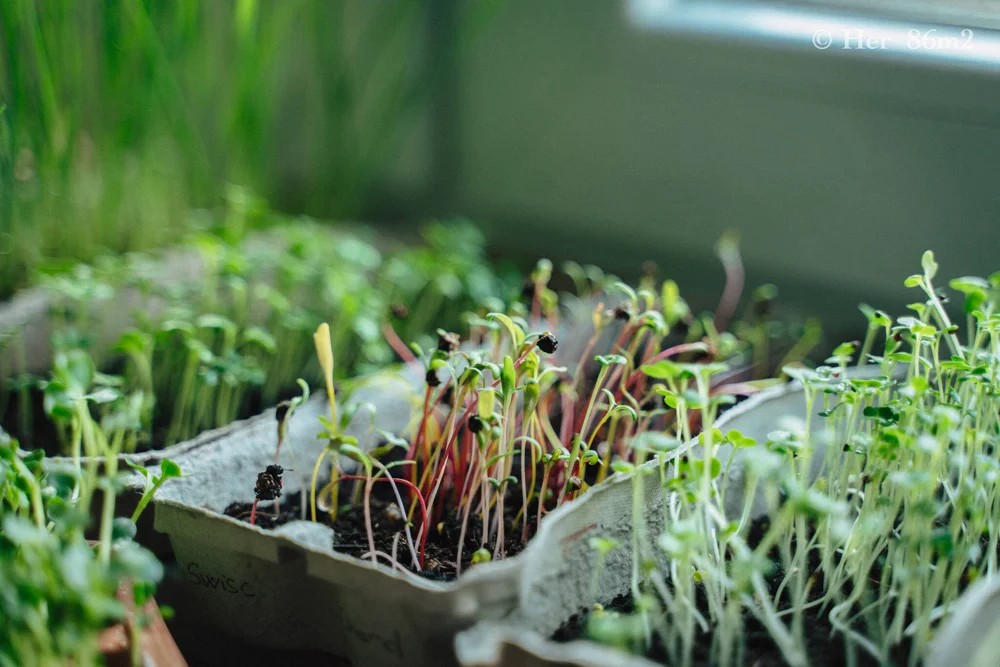
Even during the most bitter Canadian winter weeks, you can grow food indoors fast. Mung beans, alfalfa, lentils, and other sprouting seeds offer nutrient-rich greens in just 5–7 days.
How to sprout:
• Soak 2–3 tablespoons of seeds overnight
• Rinse and transfer to a sprouting jar
• Cover with breathable cloth
• Rinse and drain twice daily
• Keep in a dark spot for crisp, pale sprouts
Store finished sprouts in the refrigerator for 2–3 days.
This is one of the easiest December wins of all, gardening without going outside.
Conclusion: Small December Steps Make a Huge Difference in Spring
December gardening in Canada isn’t about heavy work, it’s about strategic wins that set your garden up for spring success. By securing your space, mulching wisely, watering intelligently, cleaning tools, checking pests, and growing nutritious sprouts indoors, you’ll keep your garden vibrant even when snow blankets the world outside.
This month’s tasks are simple, satisfying, and incredibly effective, the perfect balance for a Canadian winter.
Ready for More Winter Gardening Success?
Stay ahead this winter. Explore more expert tips on winter mulching, greenhouse management, indoor gardening, and preparing for early spring planting. Your garden will thank you when the thaw arrives.
FAQ: December Gardening in Canada
1. What gardening tasks can I do in December in Canada?
You can mulch perennials, secure crop covers, clean pots, check for pests, winterize fruit trees, harvest sunchokes, water greenhouses properly, and grow sprouts indoors.
2. Should I mulch in December or earlier?
Early December is ideal. The soil has cooled but isn’t fully frozen, which is perfect for stabilizing root temperatures.
3. How often should I water in winter?
Outdoors: every 3–4 weeks if the soil is dry during mild days.
Greenhouses: water based on pot weight and soil dryness.
4. Can I grow anything indoors in winter?
Yes, sprouts, microgreens, herbs, and even potatoes in warm greenhouses.
5. Do pests survive Canadian winters?
Yes, especially during mild spells. Aphids, spider mites, and whiteflies often hide in greenhouses.
6. Are suet balls good for Canadian birds?
Absolutely, high-fat foods are essential for winter survival. Just avoid suet balls with plastic nets.

Whether you’re shopping for plant lovers, hunting for meaningful plants, or simply looking to add a touch of green to your own holiday décor, DH Garden Centre has everything you need for a joyful, vibrant, and beautifully green Christmas.
Visit DH Garden Centre today: where the holidays grow brighter, one plant at a time.
