
Learn the most common houseplant care mistakes plant owners make and how to fix them. Expert insights from DH Garden Centre to grow healthier, stronger indoor plants.
Plant Care Is a Learning Curve, Not a Rulebook
If you have ever felt that sinking realization that you have been caring for your houseplants the wrong way for years, you are not alone. Indoor plant care is not static knowledge. It evolves as we observe, experiment, fail, and adjust. Many popular houseplant care tips sound logical on paper but break down in real-world conditions.
At DH Garden Centre, we believe good plant care comes from evidence, patience, and observation rather than rigid rules. This guide breaks down houseplant care mistakes that even experienced plant parents make, explains why they happen, and shows you how to correct them with a calmer, more sustainable approach.
1. Fungus Gnats and the Bottom Watering Myth
Few things test a plant owner’s patience like fungus gnats. These tiny pests thrive in moist organic matter and seem to appear the moment you feel confident about your indoor plant care routine.
Why Bottom Watering Is Not a Magic Fix
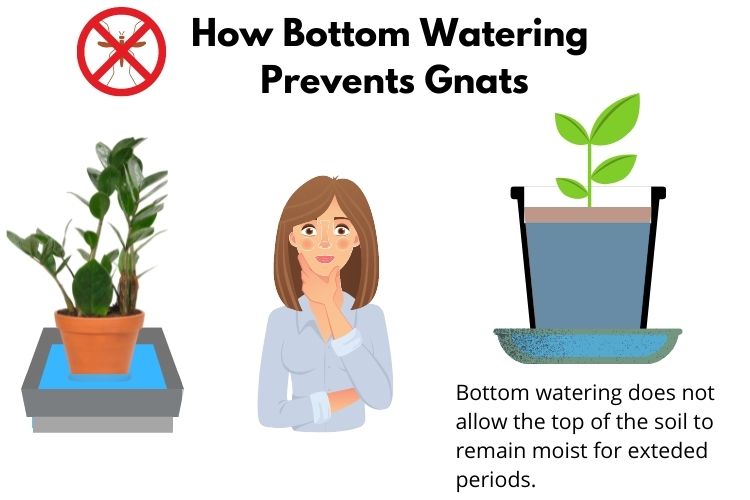
Bottom watering is often recommended as a solution for fungus gnats control, based on the idea that keeping the soil surface dry prevents egg-laying. While this sounds sensible, it ignores one crucial reality: fungus gnats do not only enter from the top.
They happily breed in the damp base of cache pots, saucers, and poorly drained containers. Many infestations start underneath, not above
What Actually Works Better
Bottom watering still has value, but mainly for:
-
Encouraging deeper root growth
-
Properly hydrating chunky soil mixes
-
Reducing surface compaction
For fungus gnats, the realistic goal is management, not eradication. Sticky traps, biological controls like mosquito bits, and improving drainage are more reliable long-term strategies. Accept that fungus gnats return in cycles and focus on keeping populations low rather than chasing total elimination.
2. Over-Pruning Monsteras: A Costly Setback
Pruning is satisfying. It feels proactive and restorative. However, monstera care requires restraint.
Why Monsteras Do Not Branch Like Other Plants
Unlike philodendrons or bushy houseplants, monsteras grow as a single dominant stem. When pruned, they do not branch into multiple leaders. Instead, they restart growth from a node, producing juvenile leaves before regaining maturity.
This means aggressive pruning can:
-
Reduce leaf size
-
Delay fenestration
-

Unlike philodendrons or bushy houseplants, monsteras grow as a single dominant stem. When pruned, they do not branch into multiple leaders. Instead, they restart growth from a node, producing juvenile leaves before regaining maturity.

When Pruning Is Justified
Prune monsteras only when:
-
Leaves are diseased or severely yellowing
-
Pest infestations threaten the plant
-
The stem is growing structurally unsound
Propagation is fine, but understand the trade-off. The mother plant will regress before it recovers.
3. Cutting Alocasia Flowers: Science Is Not Settled
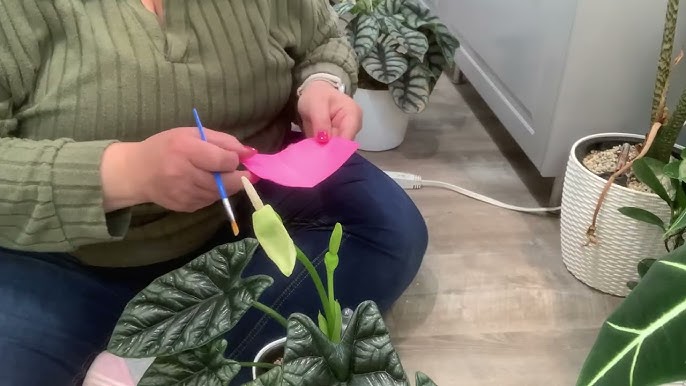
For years, cutting off alocasia flowers was common advice. The logic was simple: flowers drain energy from foliage. However, recent observations suggest the issue is more nuanced.
The Case for Leaving the Flower
Flowering is often a sign of a healthy plant reaching maturity. Removing flowers prematurely may interrupt hormonal cycles and trigger stress responses.
The Balanced Approach
There is no universal rule. Some alocasias benefit from flower removal, others decline afterward. Observe your plant. If flowering coincides with leaf drop, intervention may help. Otherwise, allowing the bloom to complete its cycle may support long-term stability.
4. Over-Fertilizing After Repotting
Fertilizing houseplants frequently is not inherently wrong. Problems arise when fertilizer overlaps with pre-amended soil mixes.
The Hidden Risk in Commercial Potting Mixes
Many modern potting mixes contain slow-release fertilizers. Adding liquid fertilizer immediately after repotting can double nutrient exposure, leading to:
-
Root burn
-
Leaf tip browning
-
Stalled growth
A Safer Fertilization Strategy
After repotting or bringing home new plants:
-
Skip fertilizer for 4–8 weeks
-
Allow roots to settle
-
Resume feeding gradually
This is one of the most overlooked houseplant care mistakes.
5. Rooting Hormone Is Optional, Not Essential
Rooting hormone has a place, especially for woody cuttings. However, many plants root perfectly well without it.
Plants naturally produce auxins, their own rooting hormones. Water propagation, perlite, or soil propagation can all succeed without additives if environmental conditions are right.
Use rooting hormone if it boosts your confidence, but do not assume failure without it.
6. Moss Poles: High Reward, High Maintenance
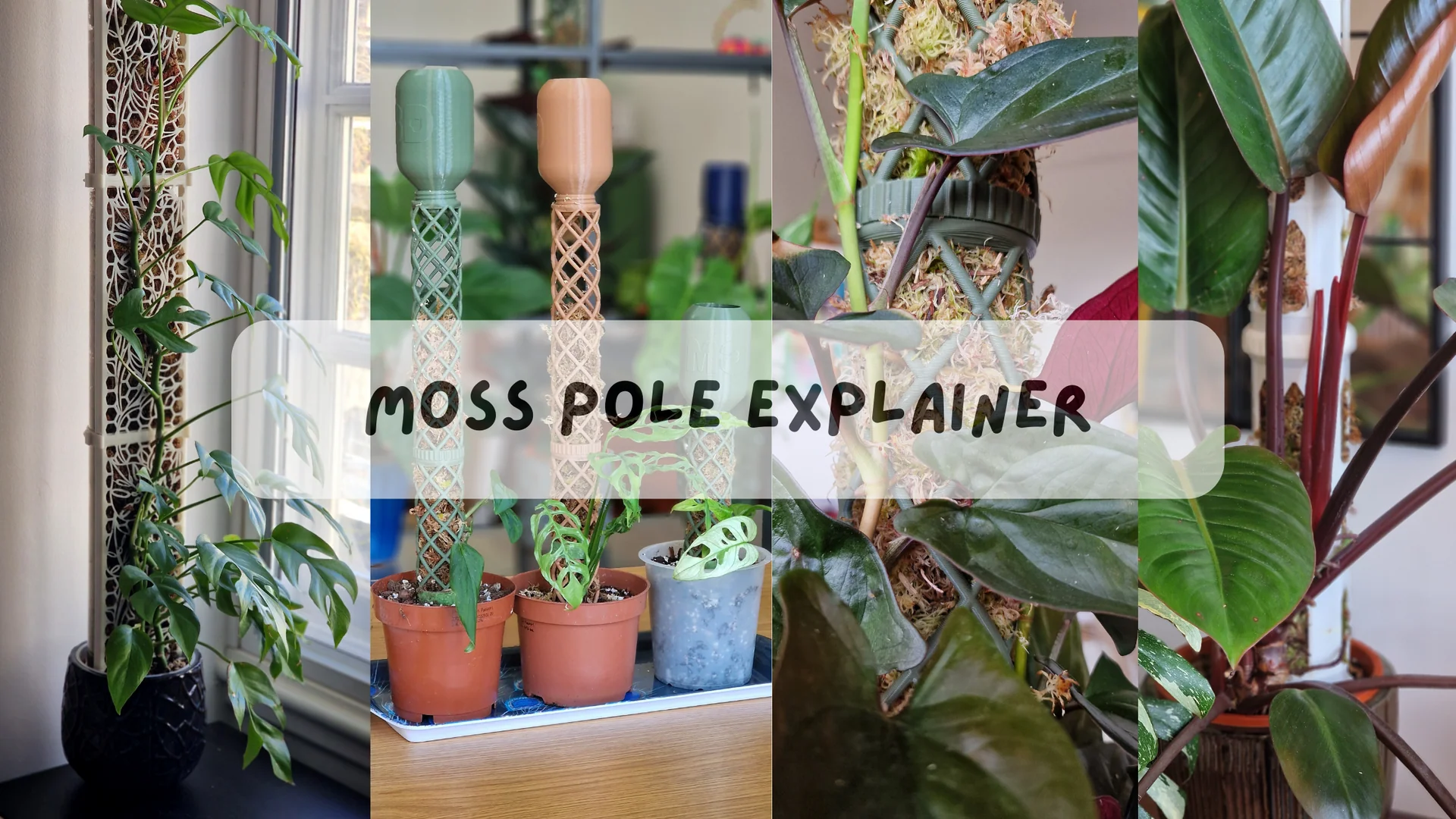
A moss pole can transform plant growth, but it demands commitment.
Why Moss Poles Sometimes Fail
Common issues include:
-
Poles drying out too fast
-
Uneven watering
-
Poor aerial root attachment
When neglected, moss poles can cause more harm than benefit.
When Moss Poles Are Worth It
For climbers like monstera or philodendron, consistent moss pole care can:
-
Increase leaf size
-
Improve structural growth
-
Enhance nutrient uptake
Just treat it like a relationship, not a decoration.
7. Letting Soil Go Bone Dry Too Often
“Let the soil dry out” is useful advice that often gets taken too far.
The Problem With Extreme Drying Cycles
Repeated drought-and-flood watering stresses roots, kills fine root hairs, and causes leaf damage. Many indoor plants prefer consistent moisture, not extremes.
A better target is “pleasantly thirsty”, not neglected.
8. Burying Aerial Roots Creates Overcrowding
Pushing aerial roots into soil sounds beneficial but often leads to rapid root congestion. This forces frequent repotting and destabilizes the plant’s growth rhythm.
Let aerial roots roam, climb, or attach naturally instead.
9. Why Spider Plants Struggle in Soil
Spider plant care is deceptively simple. These plants dislike complete dry-outs and respond poorly to inconsistent watering.
Growing spider plants in water or semi-hydro setups often:
-
Eliminates brown tips
-
Stabilizes moisture levels
-
Reduces stress
Soil works, but only with careful hydration control.
FAQ: Common Indoor Plant Care Questions
Are fungus gnats harmful to plants?
They rarely damage healthy plants but indicate excess moisture.
Should I fertilize every week?
Only if your soil has no slow-release nutrients and growth is active.
Do all monsteras need moss poles?
No, but poles help maximize leaf size and vertical growth.
Is rooting hormone necessary?
No. It is helpful but not required for most houseplants.
Final Thoughts From DH Garden Centre
Indoor plant care is not about perfection. It is about observation, adaptation, and patience. Many houseplant care mistakes come from following advice too rigidly rather than responding to what your plants are telling you.
At DH Garden Centre, we encourage plant owners to slow down, experiment thoughtfully, and trust experience over trends.
Looking for expert-approved potting mixes, biological pest control, or personalized indoor plant advice?
Visit DH Garden Centre today and grow plants that thrive, not just survive.

Whether you’re shopping for plant lovers, hunting for meaningful plants, or simply looking to add a touch of green to your own holiday décor, DH Garden Centre has everything you need for a joyful, vibrant, and beautifully green Christmas.
Visit DH Garden Centre today: where the holidays grow brighter, one plant at a time.
