
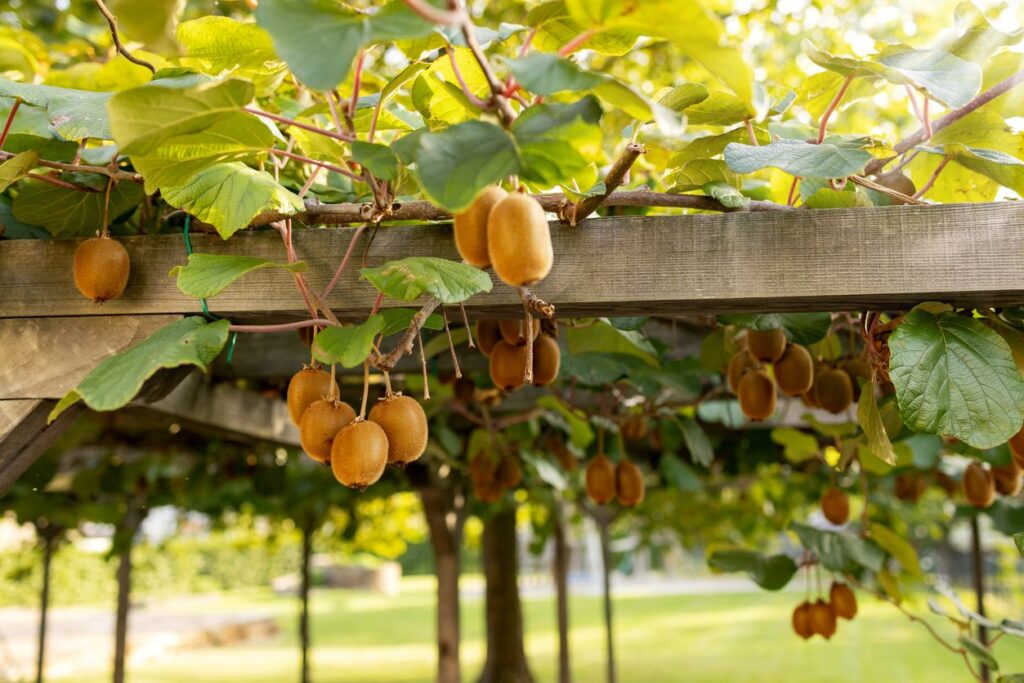
Learn how to grow kiwifruit vines successfully at home. From choosing the right kiwi plant to trellising, pruning, pollination, and harvesting. Expert advice from DH Garden Centre.
How to Grow Kiwifruit at Home
A Complete, Practical Guide for Backyard Gardeners
Kiwifruits are one of the most productive and rewarding fruits you can grow at home. While they may look exotic, kiwifruit vines are surprisingly adaptable and thrive in many temperate regions across North America and beyond.
With proper care, a single kiwifruit vine can produce hundreds of pounds of fruit over its lifetime, making it a valuable long-term investment for home gardeners.
At DH Garden Centre, we frequently recommend kiwifruit vines to gardeners looking for high yields, long lifespan, and strong visual impact. This guide covers everything you need to know to grow kiwifruit successfully, from selecting the right plant to harvesting your first crop.
Understanding Kiwifruit Vines
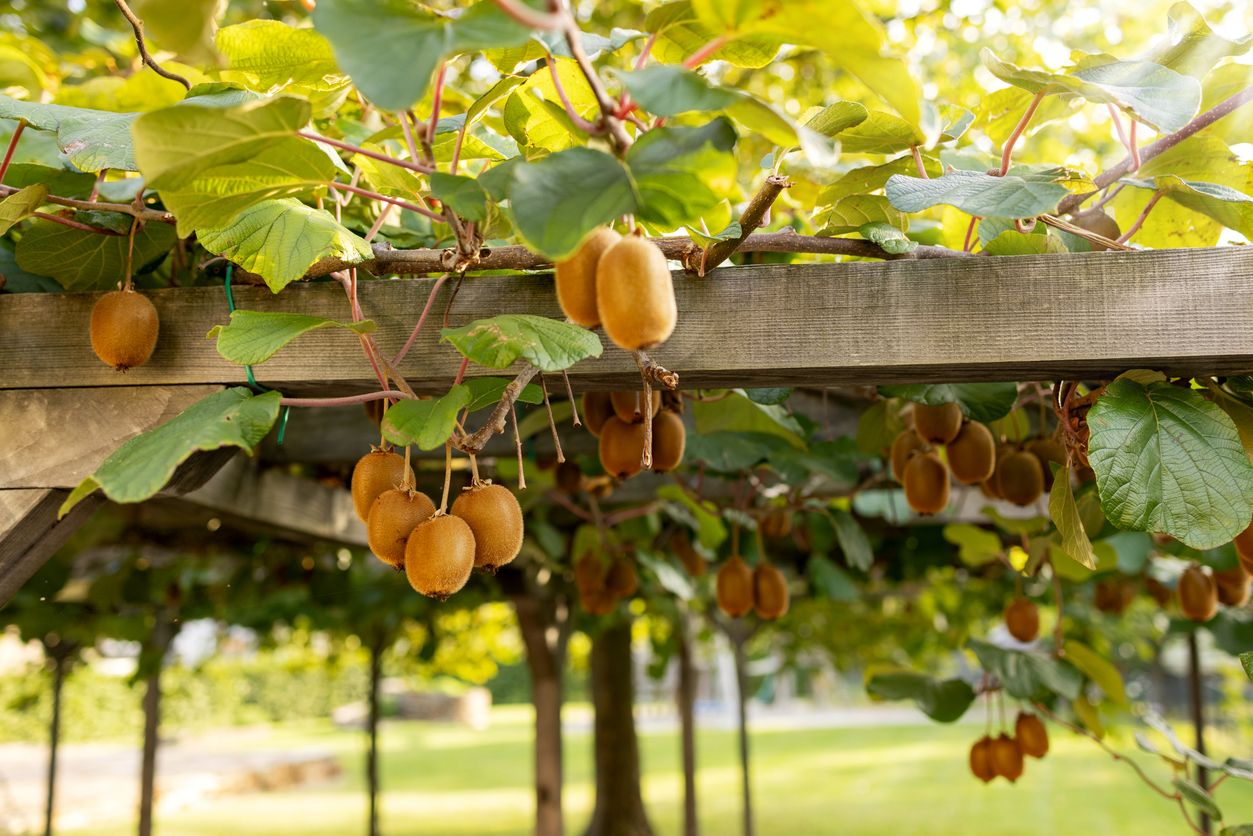
Kiwifruit are edible berries that grow on vigorous woody vines. They require support, pruning, and time to mature, but once established, they are highly productive.
Unlike many fruit trees, kiwifruit vines:
-
Grow rapidly
-
Require structured training
-
Improve yield with proper pruning
-
Live and produce for decades
Choose the Right Type of Kiwifruit
Why Plant Selection Matters
If your goal is fruit production, always start with high-quality nursery stock. Seed-grown kiwifruit are unpredictable and slow to fruit.
Purchase grafted kiwifruit plants from a reputable nursery to ensure reliable fruiting and known varieties.
Main Types of Kiwifruit
There are three major types of kiwifruit commonly grown by home gardeners:
1. Common Kiwi (Actinidia deliciosa)
-
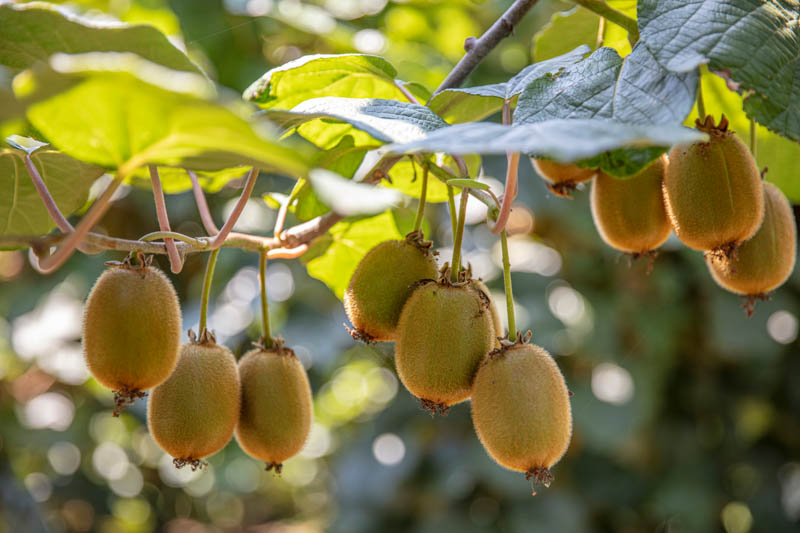
Large, fuzzy fruit
-
Similar to grocery store kiwis
-
Requires a longer growing season
-
Best for mild climates
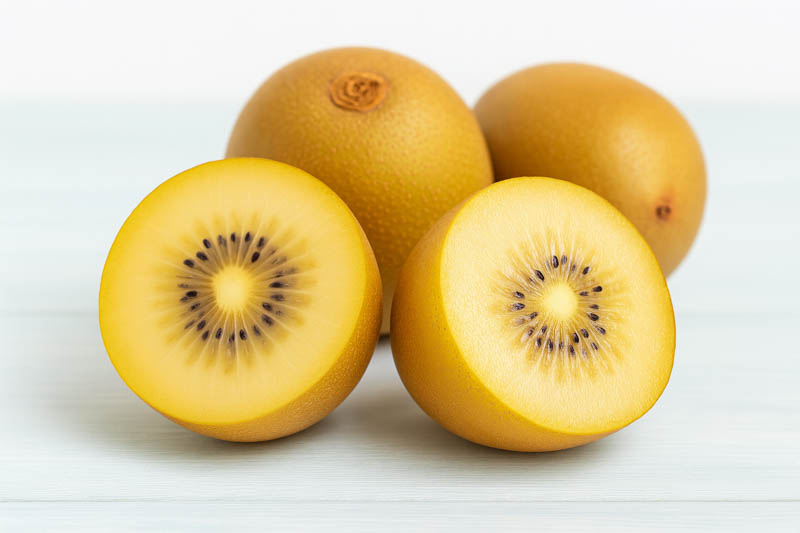
2. Golden Kiwi (Actinidia chinensis)
-
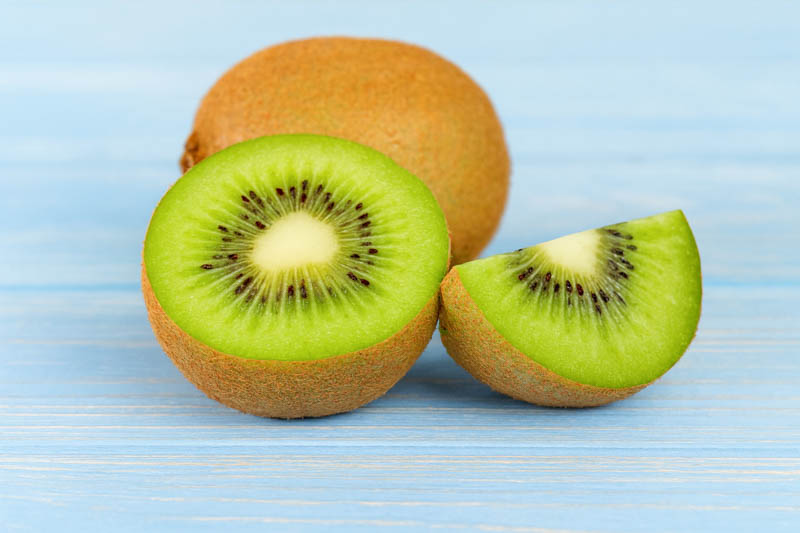
Smooth skin
-
Sweeter flavor
-
Slightly more cold-sensitive
-
High market value
3. Kiwi Berry (Actinidia arguta)
-
Small, smooth fruit
-
Very cold hardy
-
Ideal for colder climates
-
Extremely productive
Your local climate will determine which type performs best.

Choosing the Best Location to Grow Kiwifruit
Space Requirements
Kiwifruit vines are large and powerful growers. Each plant can spread 15–30 feet or more.
Choose a site with:
-
Ample horizontal and vertical space
-
Strong structural support options
-
Good air circulation
Crowding kiwifruit vines leads to poor fruiting and disease pressure.
Sunlight Needs
Most kiwifruit vines perform best in:
-
Full sun (6–8 hours daily)
-
Or light shade in hot climates
Avoid deep shade, which reduces flowering and fruit production.
Soil Requirements for Kiwifruit
Ideal Soil Conditions
Kiwifruit plant care begins below ground.
They prefer:
-
Well-drained soil
-
Slightly acidic pH (6.0–6.5)
-
High organic matter
Poor drainage is the most common cause of kiwifruit failure.
Improving Soil Quality
If soil is too alkaline:
-
Add organic mulch (leaves, straw)
-
Incorporate composted manure
-
Apply organic soil conditioners gradually
Avoid aggressive chemical soil amendments that can shock roots.
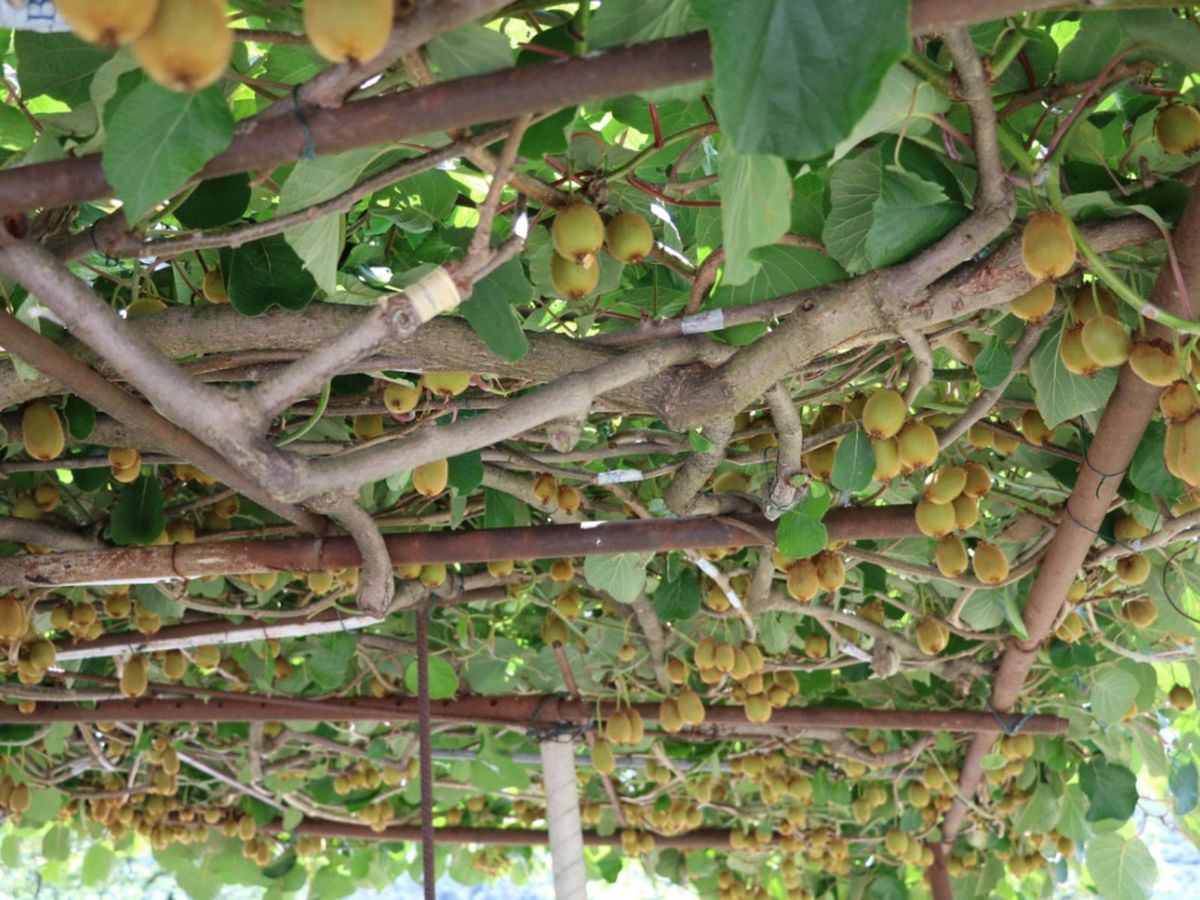
Building a Sturdy Kiwi Vine Trellis
Why Trellising Is Essential
Kiwifruit vines cannot support themselves. Without a trellis, they sprawl, tangle, and reduce fruit quality.
A good kiwi vine trellis:
-
Supports heavy fruit loads
-
Allows sunlight penetration
-
Enables easy pruning and harvesting
Best Trellis Options
Popular systems include:
-
T-bar trellis
-
Pergola structures
-
Heavy-duty wire trellises
The structure must be extremely strong. Mature vines are heavy.
Planting Kiwifruit Vines
How to Transplant Young Plants
-
Dig a hole slightly larger than the root ball
-
Gently remove the plant from its container
-
Place the roots into the hole at the same depth
-
Backfill with loose soil
-
Firm lightly and water thoroughly
Do not bury the trunk deeper than nursery level.
Protecting Kiwifruit Plants from Animals
Young kiwifruit plants are attractive to:
-
Deer
-
Cats
-
Small mammals
Use:
-
Fencing
-
Chicken wire
-
Protective cages
Early protection prevents long-term damage.
Pollination: Male vs Female Plants
Most kiwifruit vines are dioecious, meaning male and female flowers grow on separate plants.
Identifying Male and Female Plants
-
Male plants: Bright yellow pollen-covered anthers
-
Female plants: Central stigma with white ovaries
You only need:
-
1 male plant for every 8–9 female plants
Remove excess males to conserve space and resources.
Pruning Kiwifruit Vines
Why Pruning Matters
Pruning controls:
-
Excess growth
-
Fruit production
-
Airflow and light penetration
Without pruning, kiwifruit vines become unmanageable and unproductive.
Annual Pruning Guidelines
-
Prune once per year during dormancy
-
Remove excess canes
-
Cut back unsupported lateral shoots
-
Maintain trellis structure
Consistent pruning increases fruit size and yield.
Harvesting Kiwifruit
When to Harvest
Kiwifruit are typically harvested:
-
After several years of growth
-
When skin begins to change color
-
Before fruit softens fully on the vine
Harvest by snapping fruit at the stalk.
Yield Expectations
-
Early yields may be modest
-
Production increases each year
-
Mature vines can produce hundreds of pounds
Patience is rewarded.
Common Mistakes When Growing Kiwifruit
-
Weak trellis construction
-
Poor drainage
-
Overcrowding plants
-
Skipping pruning
-
Incorrect male-to-female ratio
Avoiding these errors dramatically improves success.
FAQ: Growing Kiwifruit at Home
How long before kiwifruit produces fruit?
Usually 3–5 years after planting.
Can kiwifruit grow in cold climates?
Yes. Kiwi berry varieties tolerate colder zones.
Do kiwifruit need fertilizer?
Moderate feeding only. Excess nitrogen reduces fruiting.
Can I grow kiwifruit in containers?
Not recommended due to size and root system.
Do kiwifruit vines need winter protection?
Most hardy varieties do not, once established.
Final Thoughts
Growing kiwifruit is not a short-term project, but it is one of the most rewarding fruit crops for dedicated gardeners. With the right plant selection, proper trellising, and consistent care, kiwifruit vines can produce abundant harvests for decades.
At DH Garden Centre, we encourage gardeners to think long-term and invest in perennial crops that deliver year after year.
Visit DH Garden Centre for:
-
Grafted kiwifruit vines
-
Trellis materials
-
Soil amendments
-
Expert advice tailored to your climate
Grow smarter.
Grow fruit that lasts.

Whether you’re shopping for plant lovers, hunting for meaningful plants, or simply looking to add a touch of green to your own holiday décor, DH Garden Centre has everything you need for a joyful, vibrant, and beautifully green Christmas.
Visit DH Garden Centre today: where the holidays grow brighter, one plant at a time.