
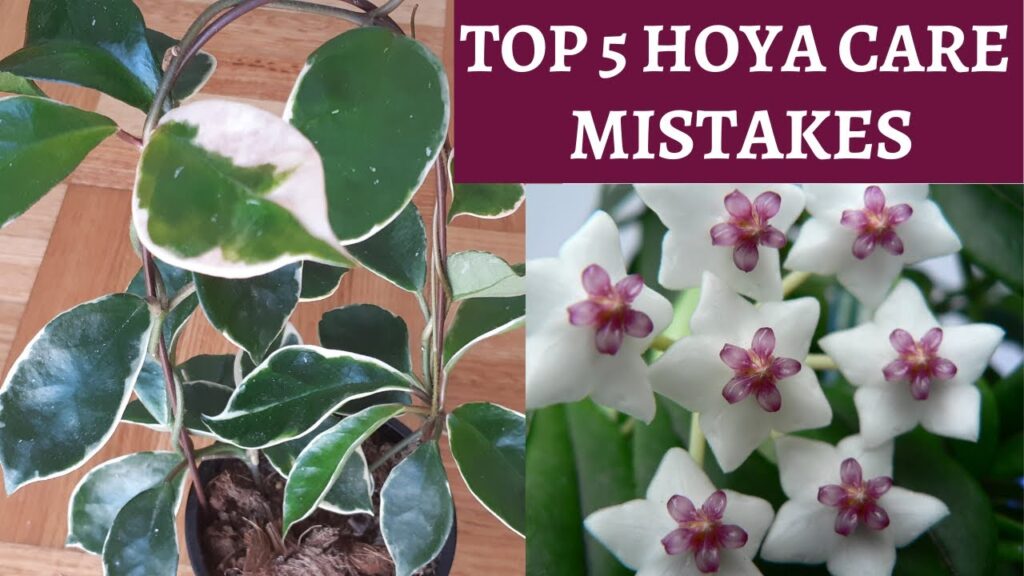
Master hoya care with simple tips on bright light, proper watering, chunky soil, humidity, fertilizer, and propagation for lush growth.
Hoyas are the kind of houseplants that make you feel like a skilled plant parent even on your busiest weeks. They look delicate, with waxy leaves and elegant vines, yet they’re surprisingly resilient. Many people ask for a clear hoya care routine because they’ve heard two things at once: “Hoyas are easy,” and “Hoyas are easy to kill if you water wrong.” Both are true, which is why this guide matters.
This post is a complete, practical hoya care walkthrough based on real growing experience. We will cover the essentials, explain what mistakes most owners make, and make sure you understand your plant’s signals. If your hoya is a baby cutting, a mature vine, or a wishlist plant you just brought home, this guide will hold your hand through every stage.
Let’s start with the backbone of great hoya care: light.
Light: The Most Important Part of Hoya Care
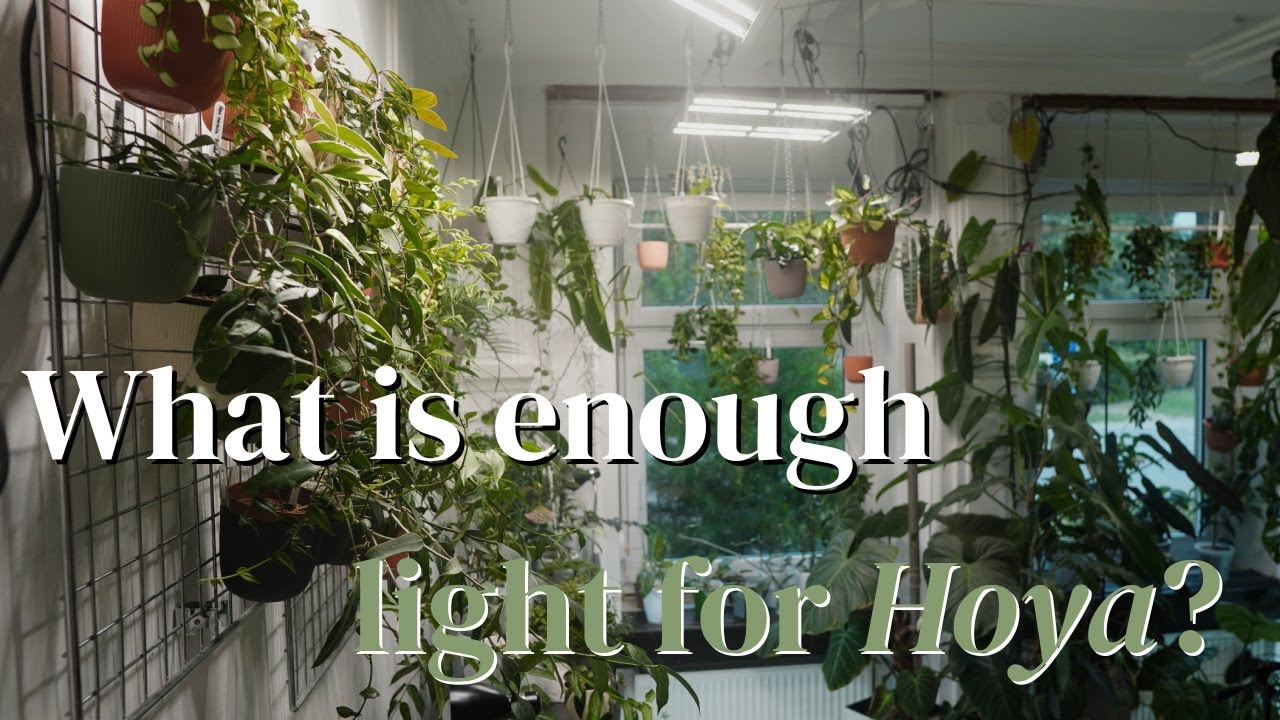
If you want your hoya to grow strong vines, large leaves, and eventually bloom, give it bright light. Hoyas are not low-light plants. They tolerate medium light, but they thrive in bright, indirect light and often benefit from direct sun.
Best windows for hoya care:
-
South-facing window: ideal. Many hoyas can take direct sun here.
-
West-facing window: also excellent for strong growth.
-
East-facing window: morning sunlight is gentle and very beneficial.
-
North-facing window: weakest option. If this is all you have, use a grow light.
Some hoyas do well under grow lights alone, especially in cabinets or plant rooms. If your plant is under artificial light and growing steadily, you’re already doing hoya care correctly. Still, if you have access to natural light, most hoyas visibly prefer it.
Key idea: More light equals faster growth. Better light also supports blooms, since blooming is an energy-hungry process.
Watering: The Most Common Hoya Care Mistake
Overwatering kills more hoyas than anything else. People tend to water on schedule rather than on need. In proper hoya care, you water only when the soil is completely dry.
In winter, many hoyas can go five to six weeks between watering. In warmer seasons, the gap is shorter, but the rule stays the same: dry soil first.
However, hoyas don’t all drink the same way. The key is to understand leaf thickness, because leaves tell you more than the calendar ever will.

Thick-Leaf Hoyas
These hoyas store a lot of water in their leaves, almost like succulents. Even when soil dries out, the plant may still be fine.
You can test them with what growers call the “taco test.”
Taco test for hoya care:
-
Gently squeeze an older leaf (not the brand-new ones).
-
If the leaf feels soft, bends easily, or wrinkles, the plant is thirsty.
-
If it feels firm and resists bending, hold off watering.
Thick-leaf hoyas can stay dry longer without stress. The plant will signal thirst through leaf softness and wrinkling.
Thin-Leaf Hoyas
Thin-leaf hoyas are different. Their leaves feel papery and don’t store water for long. You often cannot rely on the taco test because the leaf is too thin to wrinkle clearly.
For thin-leaf hoyas, good hoya care means watering as soon as soil is dry. If you wait for visible leaf stress, their delicate roots may dry too hard.
How to check soil dryness:
-
Lift the pot. Dry soil feels light.
-
Look at the pot bottom. If it is dry and pale, you’re likely ready to water.
-
Stick a finger in if unsure, but most hoya owners learn pot-weight quickly.
Rule summary:
-
Thick-leaf hoya care = wait for leaf softness + dry soil.
-
Thin-leaf hoya care = water when soil is dry.
Soil Mix: Chunky, Airy, Breathable
In nature, hoyas don’t grow in compact mud. They cling to trees and live in airy, organic pockets. Great hoya care mimics that environment.
Hoyas prefer a chunky, breathable mix. If you use regular potting soil, amend it heavily.
Ideal amendments for hoya care soil:
-
Perlite for air pockets
-
Orchid bark or pine bark for chunk
-
Coco chips or coarse pumice
The soil should look loose and feel fast-draining. This prevents root rot, which hoyas are sensitive to because their root system is thin and delicate.

Pot size matters
Hoyas love being snug. Root-bound hoyas often grow better than hoyas swimming in extra soil.
When potting up a cutting or small plant:
-
Start small, around 3 inches.
-
Avoid tiny 2-inch pots unless you are very consistent, since they dry too fast.
-
Increase pot size gradually.
If you repot too large, soil stays wet too long and sabotages your hoya care.
Patience: Cuttings Take Time
Many hoyas are sold as cuttings, and new owners panic when nothing happens. With correct hoya care, a cutting can still take 8 to 9 months to settle before pushing new growth.
This is normal.
If your cutting has roots and bright light:
-
Don’t keep repotting.
-
Don’t “force” growth with excess water.
-
Just hold steady.
Every hoya has its own tempo. The slow start is often followed by a sudden burst once it feels secure.
Humidity: Helpful, Not Required
Hoyas love humidity, but they don’t strictly need high humidity to survive or grow.
Some indoor growers keep hoyas at around 30% humidity and still see healthy vines. Others use cabinets or humid spaces at 70% humidity and notice faster growth.
In short, humidity is a bonus for hoya care, not a requirement.
If your home is dry:
-
Your hoya can still thrive.
-
Just avoid overwatering to “compensate.”
If you want to boost humidity:
-
A cabinet or enclosed shelf works.
-
A humidifier can help thin-leaf hoyas stay more stable.
-
Grouping plants can raise micro-humidity slightly.
Fertilizer: Keep Growth Strong
Hoyas need nutrients like any plant. Soil nutrients deplete over time, especially in containers.
You can use:
-
Regular houseplant fertilizer
-
Slow-release fertilizer sprinkled into soil
-
Leaf spray fertilizers like orchid mist
Many growers use a mild misting fertilizer on the leaves in addition to slow-release feeding. Some people believe it helps promote blooms. Whether it directly triggers blooms or not, it does support healthier foliage, which is always good hoya care.
Fertilizer best practice:
-
Feed lightly but consistently in growing season.
-
Slow-release fertilizer keeps care simple.
-
Do not overfeed, since hoyas are not heavy feeders.
Hoya Blooms: No Secret Shortcut
Everyone wants blooms. Hoyas are famous for their starry flowers and sweet fragrance. But blooming is mostly about time and maturity.
What influences blooms in hoya care:
-
Age of plant
-
Long-term stability
-
Excellent light
-
Consistent watering pattern
-
Healthy feeding routine
If your hoya is young or recently rooted, it may need a long runway before blooming. Buying a mature hoya with peduncles can speed things up, but there is something special about a plant blooming under your care after months or years.
Never cut peduncles
Peduncles are the flower spurs. Once a hoya blooms, it often reblooms from the same peduncle.
Cutting them removes future blooms. So in correct hoya care, you leave peduncles intact even after flowers drop.
How Hoyas Grow: The Long Bare Tendril Is Normal
If your hoya throws out a long leafless vine, don’t panic. It’s not a problem. It’s exactly how hoyas grow.
In nature they climb. The tendril searches for support. Once it finds something to wrap around, leaves begin forming at nodes.
So:
-
Do not cut tendrils.
-
Train them instead.
Easy support options for hoya care:
-
Small trellises
-
Hoop trellises
-
Heart-shaped frames
-
Clips or orchid ties
-
Bamboo stakes
Training also keeps your plant tidy and encourages leaf spacing that looks fuller.
Propagation: Hoyas Root Easily
One of the joys of hoya care is how simple propagation can be. Hoyas grow roots from nodes, visible as small bumps along the stem.
Propagation steps:
-
Choose a section with at least one mature leaf.
-
Cut below a node.
-
Root in water, moss, or perlite.
-
Wait until roots are a few inches long.
-
Pot into small, chunky soil.
Avoid cutting a fresh, leafless tendril into a short wet stick. It can work, but it is slower and less reliable. Better to take a piece with at least one stable, mature leaf.
You can also add rooted cuttings back into the original pot to create a thicker plant. This is a classic hoya care trick for fuller baskets.
Troubleshooting Common Hoya Care Issues
Even easy plants complain sometimes. Here’s how to read them.
Yellow leaf here and there:
Often normal aging. If growth is healthy, don’t overreact.
Many yellow leaves at once:
Potential watering issue. Review your dry-soil rule.
Wrinkled leaves:
Thirst in thick-leaf hoyas. Water when most older leaves wrinkle.
No growth for months:
Normal for cuttings. Check light, then be patient.
Why Hoyas Are Worth It
Hoyas are forgiving, elegant, and quietly dramatic. They let you travel for two weeks without collapsing. They bloom when they’re ready, not when you force them. With consistent hoya care, they become long-term companions, not short-term decor.
Once you master their rhythm:
-
You water less.
-
You worry less.
-
You get vines, new leaves, and eventually flowers.
That is the sweet reward of good hoya care.
FAQs About Hoya Care
Q1. How often should I water hoyas?
In proper hoya care, you water only after the soil dries fully. Thick-leaf hoyas may wait longer until leaves soften. Thin-leaf hoyas need water as soon as soil is dry.
Q2. What light is best for hoya care?
Bright, indirect light with some direct sun is ideal. South, west, or east windows perform best. North windows need grow light support for strong hoya care.
Q3. Do hoyas need humidity?
Humidity helps but is not required. Many hoyas grow fine at low indoor humidity. Stable light and watering matter more in hoya care.
Q4. Why is my hoya growing a long bare vine?
That is normal growth. It is searching for support before producing leaves. In good hoya care, you guide it onto a trellis, not cut it.
Q5. How do I get my hoya to bloom?
There is no shortcut. Blooms come from maturity, strong light, steady feeding, and time. Leave peduncles alone as part of correct hoya care.
If you found this hoya care guide useful, save it for your next watering day and share it with a friend who is struggling with their hoya. If you want a personalized hoya care plan, send me a photo and tell me your window direction. I will help you adjust light, soil, and watering so your plant can thrive and bloom.
