
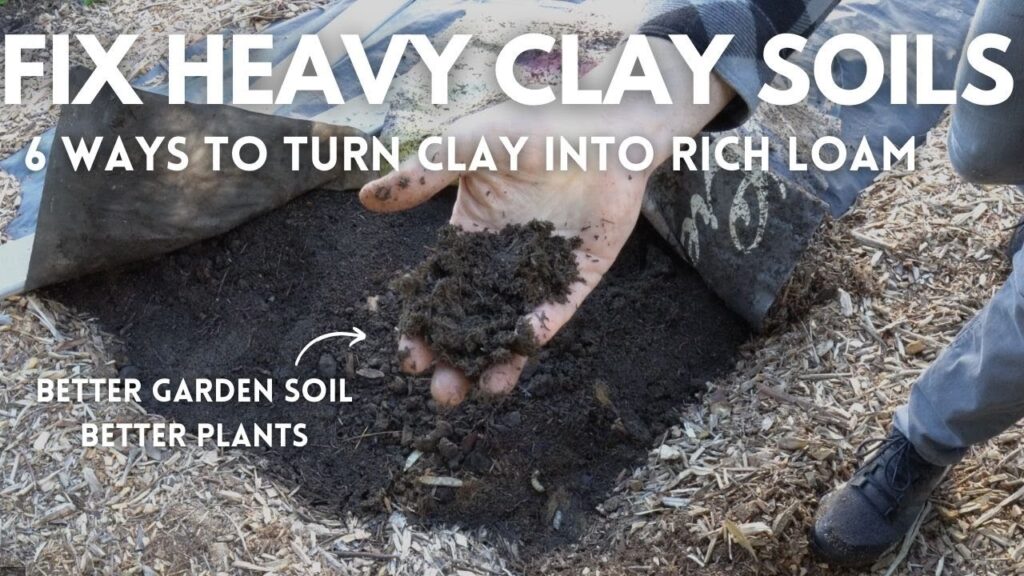
Struggling with heavy clay soil? Learn proven methods to improve clay soil structure, drainage, and fertility using organic matter, aeration, mulch, and cover crops.
Gardening in Clay Soil Is Challenging, But Not Hopeless
If you garden in clay soil, you already know the struggle.
Clay soil is heavy, dense, slow to drain, and difficult for delicate plant roots to penetrate. Dig into it after rain and it feels sticky and compact. Let it dry, and it hardens like brick.
And yet, clay soil has a hidden advantage.
It is often rich in nutrients and excellent at holding moisture. The real challenge is unlocking those nutrients and transforming the soil structure so plants can access them.
At DH Garden Centre, we see clay soil as a long-term investment. With the right approach, clay soil can become some of the most productive garden soil you will ever work with.
This guide explains what clay soil is, why it behaves the way it does, and the most effective, science-backed ways to improve clay soil naturally over time.

What Is Clay Soil?
Clay soil is defined by extremely fine mineral particles. These particles pack tightly together, leaving very little space for air and water movement.
A simple test confirms clay soil:
-
Dig down and grab a handful
-
Squeeze it in your palm
-
If it forms a sticky ball that does not crumble, you have clay soil
Improved clay soil, by contrast, will break apart easily, forming a crumbly texture rather than a solid mass.
Why Clay Soil Behaves the Way It Does
Clay soil presents three main challenges:
-
Poor drainage
Water moves slowly through tightly packed particles -
Low oxygen availability
Roots struggle to breathe -
Compaction
Walking, rain, and heavy tools compress soil even further
However, clay soil also offers benefits:
-
High nutrient retention
-
Strong moisture-holding capacity
-
Long-term fertility once structure improves
The goal is not to replace clay soil, but to transform its structure.
The Role of Organic Matter in Improving Clay Soil
What Is Organic Matter?
Organic matter refers to decomposed plant or animal material. In gardening, this includes:
-
Compost
-
Leaf mold
-
Grass clippings
-
Straw or hay
-
Aged manure
-
Chopped cover crops
-
Earthworm castings
-
Composted wood chips
-
Biochar
Organic matter is the single most important input for clay soil improvement.

Why Organic Matter Works
Organic matter improves clay soil in multiple ways:
1. Improves Soil Structure
Organic matter binds clay particles into aggregates, creating space for:
-
Air
-
Water
-
Roots
This aggregation transforms sticky clay into workable soil.
2. Feeds Soil Life
Earthworms and microorganisms consume organic matter and convert it into plant-available nutrients.
Worm activity also:
-
Creates air channels
-
Improves drainage
-
Reduces compaction naturally
3. Increases Tilth
Tilth refers to how easily soil can be worked. Organic matter makes clay soil less sticky when wet and less rock-hard when dry.
How to Add Organic Matter Correctly
Top-Dressing Method (Recommended)
The simplest and safest approach:
-
Add 2–3 inches of organic matter to the soil surface
-
Up to 6–8 inches for severely compacted clay
-
Lightly dig or fork into the topsoil
This method avoids over-disturbing soil structure.
Compost as Mulch
Well-finished compost or aged manure can be:
-
Spread directly on top of beds
-
Left to break down naturally
-
Incorporated gradually by worms and rainfall
This approach is ideal before spring planting.

What Not to Add: Avoid Sand
One of the most persistent myths in clay soil gardening is adding sand.
Soil scientists consistently warn:
-
Mixing sand with clay often creates a concrete-like texture
-
Drainage may worsen, not improve
Organic matter, not sand, is the solution.
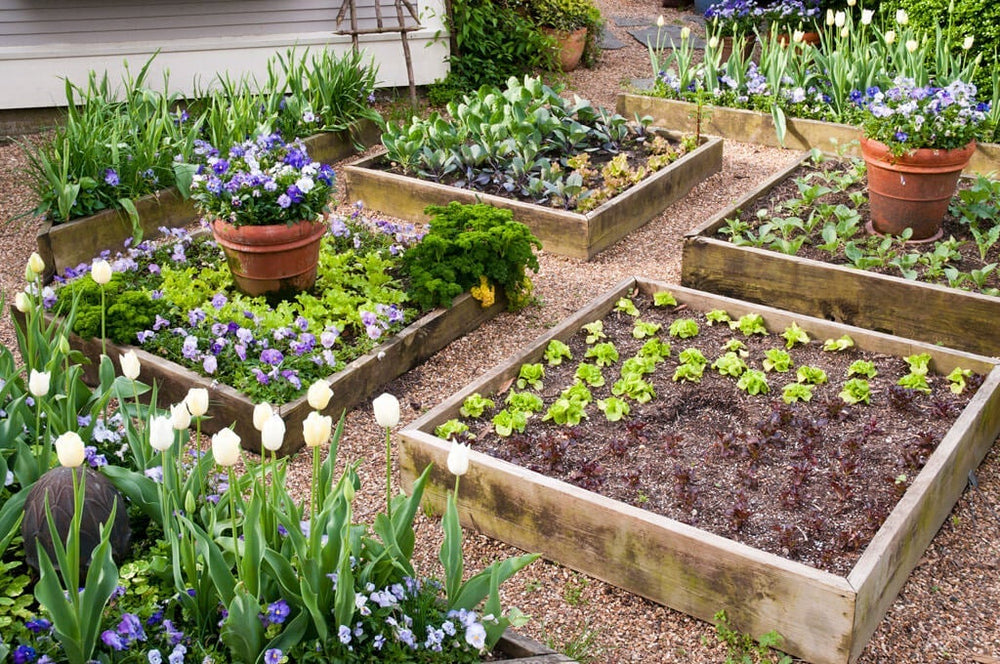
Raised Beds and Elevation: A Smart Strategy for Clay Soil
Raising planting areas helps clay soil in two key ways:
1. Improved Drainage
Water drains away from raised beds more efficiently.
2. Reduced Compaction
Designated walkways prevent foot traffic in planting areas, preserving soil structure.
Even shallow raised rows can make a noticeable difference.
Soil Aeration: Letting Clay Soil Breathe
Clay soil often lacks oxygen. Aeration introduces air pockets that benefit roots and soil organisms.
Natural Aerators
-
Earthworms
-
Insects
-
Burrowing animals
Though not always welcome, these creatures improve soil structure.
Manual Aeration Tools
-
Garden fork
-
Digging fork
-
Broadfork
These tools loosen soil without fully turning it over, preserving beneficial microbial layers.
Clay-Busting Plants: Nature’s Soil Engineers
Certain plants are exceptionally effective at breaking up clay soil.
Daikon Radish
-
Long taproot penetrates compacted clay
-
Roots decompose, leaving large air channels
-
Adds organic matter deep in the soil profile
Rye and Other Grasses
-
Dense fibrous roots
-
Improve aggregation
-
Prevent erosion
These plants are especially useful as cover crops.
Cover Cropping: Protecting and Rebuilding Clay Soil
Leaving clay soil bare worsens compaction and erosion.
Cover crops:
-
Protect soil surface
-
Add organic matter
-
Improve structure year-round
Ideal cover crops for clay soil include:
-
Rye
-
Clover
-
Winter peas
-
Mustard
-
Radish
Cover crops are particularly effective when planted in fall.
Mulching: A Non-Negotiable Practice for Clay Soil
Mulch protects clay soil from:
-
Heavy rain impact
-
Temperature extremes
-
Surface crusting
Effective mulches include:
-
Leaf mulch
-
Straw
-
Grass clippings
-
Chopped cover crops
Apply mulch generously, especially before winter.
Managing Mulch in Spring
If mulch remains thick at planting time:
-
Pull it back where planting is needed
-
Leave the rest in place
In slug-prone areas, remove excess mulch and compost it instead.
Timeline: How Long Does It Take to Improve Clay Soil?
Clay soil improvement is gradual.
With consistent practices:
-
Noticeable improvement in 1 year
-
Significant transformation in 2–3 years
-
Long-term soil health thereafter
Clay soil rewards patience.
Common Mistakes to Avoid
-
Expecting instant results
-
Over-tilling
-
Leaving soil bare
-
Walking on wet clay soil
-
Using sand instead of organic matter
Frequently Asked Questions (FAQ)
Can clay soil be improved permanently?
Yes. With organic matter and proper management, clay soil improves year after year.
How often should I add organic matter?
At least once per season. More frequent additions accelerate improvement.
Is clay soil bad for gardening?
No. Once improved, clay soil is highly productive.
Can I plant immediately after amending clay soil?
Yes, but avoid working soil when wet.
Are raised beds required?
Not required, but highly beneficial.
Why DH Garden Centre Supports Clay Soil Gardening
At DH Garden Centre, we believe healthy soil is the foundation of successful gardening.
Clay soil is not a failure, it is potential waiting to be unlocked.
With:
-
Organic matter
-
Cover crops
-
Mulch
-
Patience
Clay soil can become rich, resilient, and incredibly productive.
Struggling with clay soil does not mean struggling forever.
Visit DH Garden Centre for:
-
Organic soil amendments
-
Cover crop seeds
-
Mulch solutions
-
Expert gardening advice
Because great gardens start from the ground up.

Whether you’re shopping for plant lovers, hunting for meaningful plants, or simply looking to add a touch of green to your own holiday décor, DH Garden Centre has everything you need for a joyful, vibrant, and beautifully green Christmas.
Visit DH Garden Centre today: where the holidays grow brighter, one plant at a time.
