
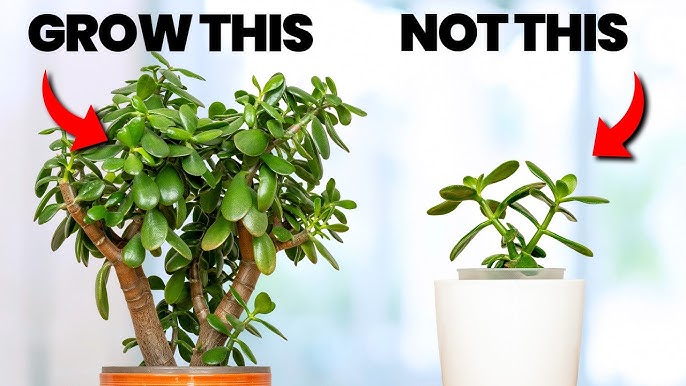
Learn how to grow a healthy, bushy jade plant. Expert tips on watering, light, pruning, and propagation. Avoid common mistakes with guidance from DH Garden Centre.
Everyone wants the same thing from their jade plant.
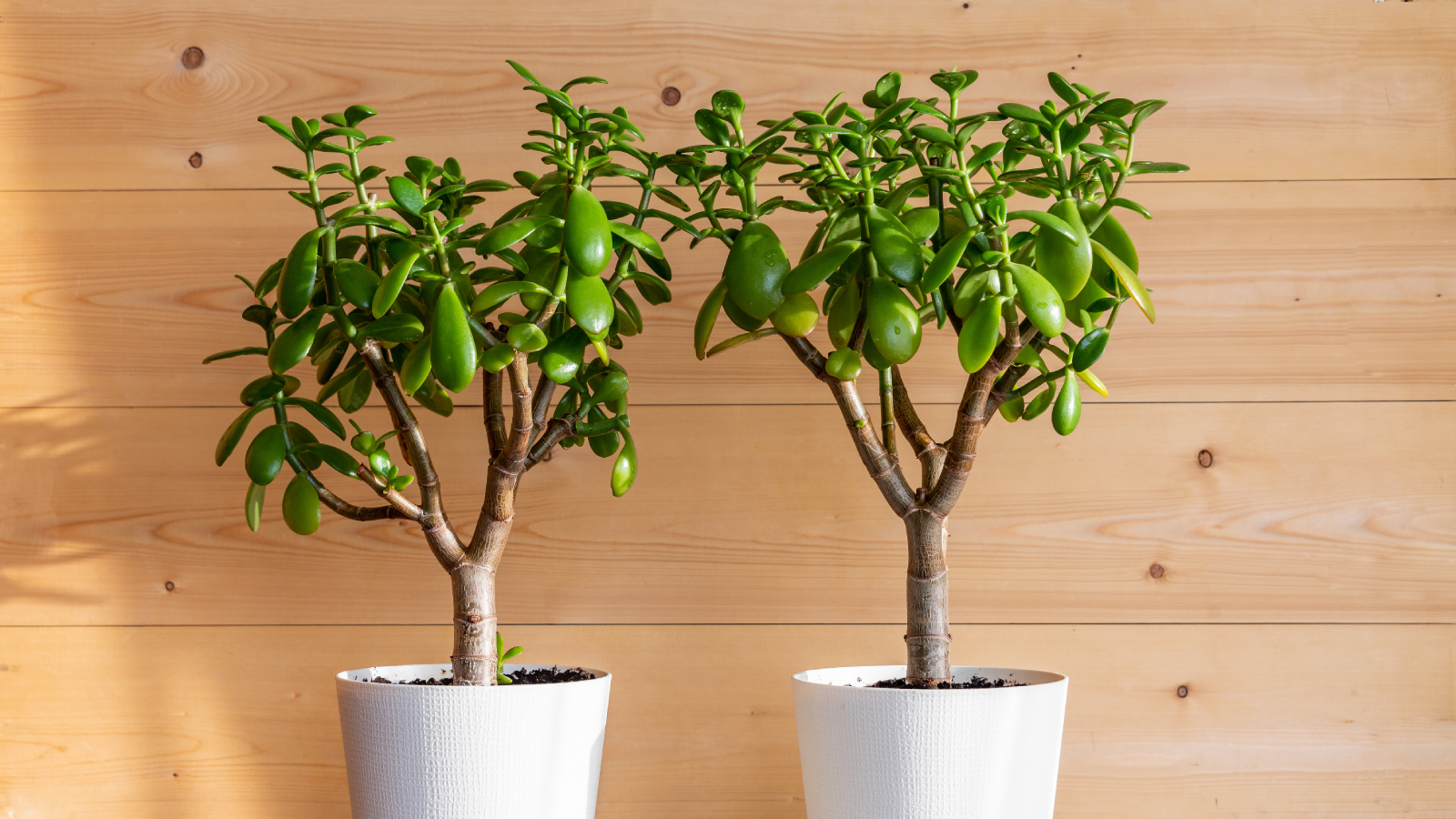
A thick trunk. Compact growth. Strong branches. A plant that looks mature, confident, and undeniably healthy.
Jade plants have a reputation for being “easy,” yet many end up leggy, weak, or slowly declining. The reason is not neglect. It is usually misguided care.
At DH Garden Centre, we see the same mistakes repeated again and again. This guide brings together years of hands-on experience to help you avoid them and finally grow a jade plant you are proud of.
No gimmicks. No rigid schedules. Just solid plant care fundamentals.
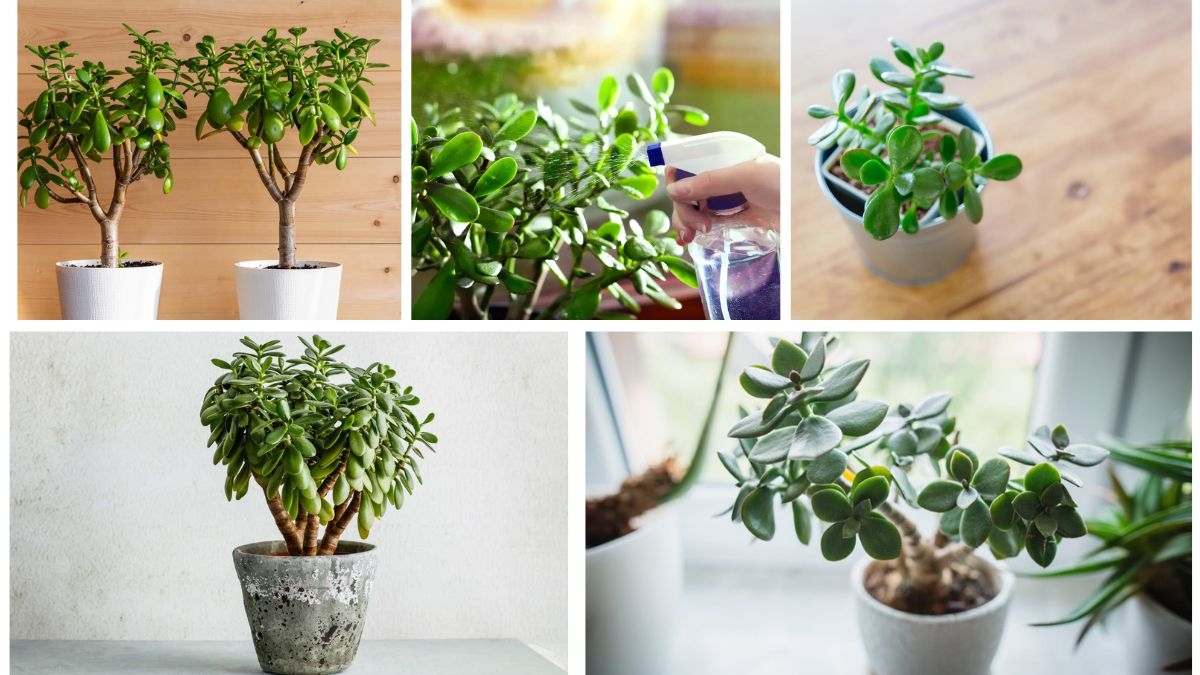
Understanding the Jade Plant
Jade plants (Crassula ovata) are succulents that store water in their leaves and stems. This adaptation allows them to survive dry periods, but it does not mean they thrive on neglect.
Healthy jade plants require:
-
Proper watering timing
-
High light levels
-
Regular pruning
-
Well-draining soil
Get these right, and jade plants reward you with decades of growth.
The Most Common Jade Plant Watering Mistake
The fastest way to kill a jade plant is watering it when the soil is already wet.
The second fastest way is not watering it at all.
Many people hear “succulent” and assume jade plants should barely be watered. This leads to severe dehydration, shriveled leaves, and eventual decline.
The Correct Watering Principle
There is no schedule.
Water only when the soil has dried out.
Not every Saturday.
Not every two weeks.
Only when the plant actually needs it.
How to Know When to Water
The most reliable method is a moisture meter:
-
Insert it into the soil
-
Water when the reading enters the dry zone
If you do not use a meter:
-
Check soil dryness at least 5–7 cm deep
-
Dry soil means water
-
Damp soil means wait
What Happens If You Overwater
Overwatering causes:
-
Swollen, soft leaves
-
Weak stems
-
Root rot
-
Irreversible damage
Jade plants store water. When oversupplied, they cannot regulate excess moisture.
Seasonal Watering Guidelines
While every home is different, these ranges are typical:
-
Summer: Every 2–3 weeks
-
Winter: Every 3–5 weeks
Dry, hot climates require more frequent watering. Cool, humid homes require less.
Always observe the soil, not the calendar.
Jade Plant Light Requirements
Light determines everything:
-
Leaf spacing
-
Branch strength
-
Trunk thickness
-
Color intensity
How Much Light Do Jade Plants Need?
As much as you can give them.
Ideal placements:
-
Bright east- or west-facing windows
-
South-facing windows with monitoring
-
Under strong grow lights
Low light results in:
-
Long gaps between leaves
-
Thin stems
-
Weak structure
Purple Edges on Jade Leaves: Good or Bad?
Purple or red leaf edges are normal and desirable.
This coloration is caused by anthocyanins, pigments produced in response to strong light. It is similar to the pigment found in blueberries and red cabbage.
What to watch for:
-
Purple edges are healthy
-
Entire leaves turning deep purple may indicate excessive sun exposure through glass
Adjust exposure gradually if needed.
Reading Your Jade Plant’s Structure
Your jade plant tells you if it is happy.
-
Short leaf spacing: Light is sufficient
-
Long leaf spacing: Light is inadequate
-
Thick stems: Healthy growth
-
Drooping branches: Pruning required
Observation is more powerful than rules.
When and Why to Prune Jade Plants
Pruning is essential, not optional.
Benefits of pruning:
-
Encourages branching
-
Thickens the trunk
-
Prevents top-heavy collapse
-
Improves overall structure
Every cut produces two new branches.
This is the key to a full, bushy jade.
Where to Make Pruning Cuts
Always cut:
-
Above a pair of leaves
-
In the direction you want new growth
Branches grow in the direction of the leaves beneath the cut. Strategic pruning allows you to shape the plant naturally.
If unsure, do not overthink it. Jade plants tolerate mistakes well.
Propagating Jade Plants from Cuttings
Never discard pruned material.
Stem Propagation (Fastest Method)
-
Remove lower leaves
-
Insert stem into dry soil
-
Wait several days before watering
-
Place in bright light
Roots form reliably with minimal effort.
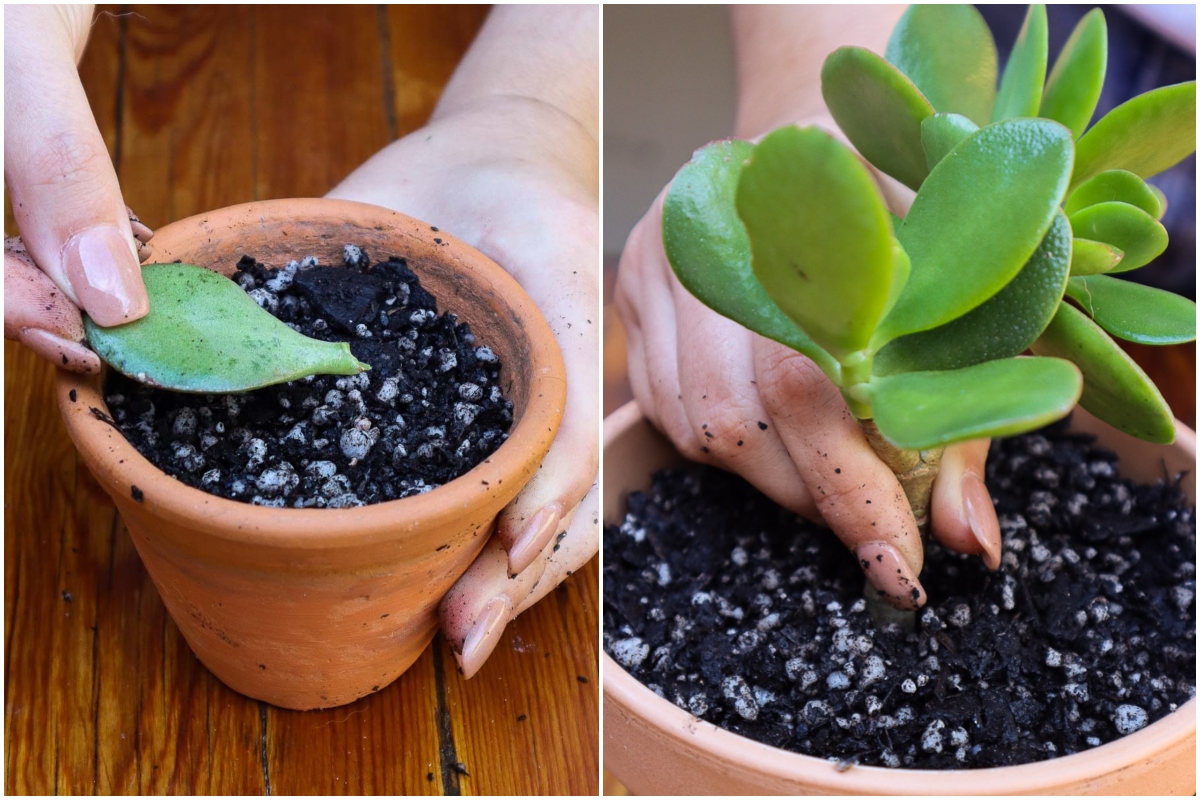
Leaf Propagation (Slower Method)
-
Remove intact leaves
-
Place on soil surface
-
Lightly mist
-
Expect slow results
Leaf propagation works, but requires patience.
Soil Requirements for Jade Plants
Use a well-draining succulent mix.
Avoid:
-
Heavy garden soil
-
Water-retentive composts
Good drainage prevents root rot and allows proper watering cycles.
Common Jade Plant Problems
White Spots on Leaves
Often mineral residue from water or natural salt excretion. Usually harmless.
Wrinkled Leaves
Underwatering or delayed watering.
Soft, Mushy Leaves
Overwatering. Reduce moisture immediately.
Frequently Asked Questions
How often should I water my jade plant?
Only when the soil is dry. There is no fixed schedule.
Can jade plants survive low light?
They survive but will not thrive.
Do jade plants need fertilizer?
Minimal feeding during active growth is sufficient.
Is pruning safe?
Yes. Regular pruning improves plant health.
Final Thoughts
Jade plants are not fragile. They are resilient, intelligent plants that respond best to observation and restraint.
Water when needed.
Give abundant light.
Prune without fear.
At DH Garden Centre, we believe great plants come from understanding, not overhandling.
Call to Action
Visit DH Garden Centre for:
-
Succulent soil mixes
-
Moisture meters
-
Grow lights
-
Expert indoor plant advice
Grow confidently.
Prune boldly.
Let your jade thrive.

Whether you’re shopping for plant lovers, hunting for meaningful plants, or simply looking to add a touch of green to your own holiday décor, DH Garden Centre has everything you need for a joyful, vibrant, and beautifully green Christmas.
Visit DH Garden Centre today: where the holidays grow brighter, one plant at a time.
