
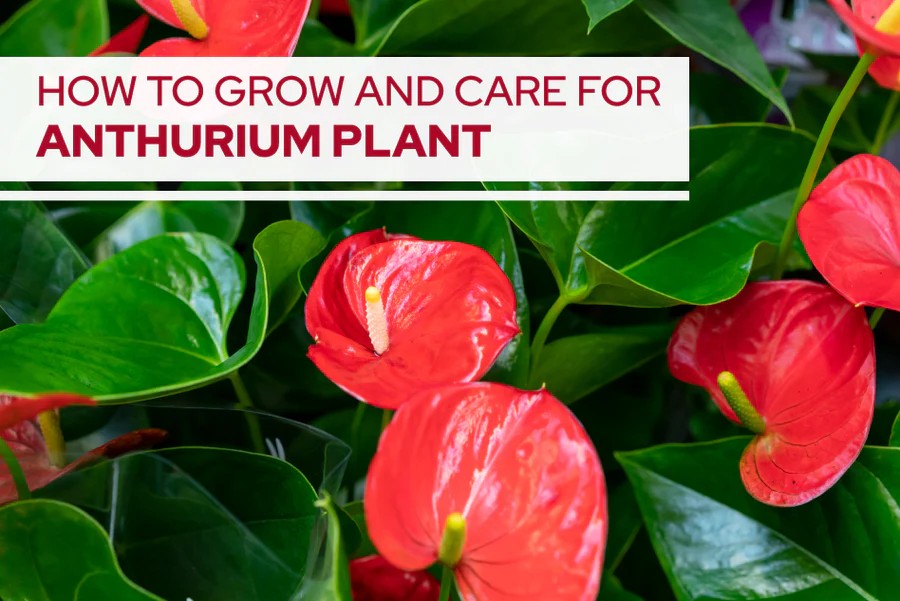
Learn a safe, natural way to care for anthurium plants at home using lemon-based solutions. Improve leaf shine, root health, and flowering without chemical fertilizers.
Natural Anthurium Care at Home: A Practical Guide for Healthy Leaves and Long-Lasting Blooms
Anthuriums are among the most striking houseplants you can grow. Their glossy leaves and long-lasting flowers bring color, elegance, and tropical calm into any indoor space. Yet many home gardeners struggle to keep their anthurium plants healthy over time. Yellowing leaves, dull foliage, weak growth, and disappearing blooms are common complaints.
The good news is that anthuriums do not require harsh chemical fertilizers or complicated routines. With the right approach, you can restore plant health and maintain vibrant growth using simple, natural ingredients that are safe, affordable, and easy to apply at home.
This guide presents a natural anthurium care method based on careful observation, plant physiology, and gentle organic treatments. It is especially useful for plants that are recovering from stress, pruning, or disease, and for gardeners who prefer chemical-free care.
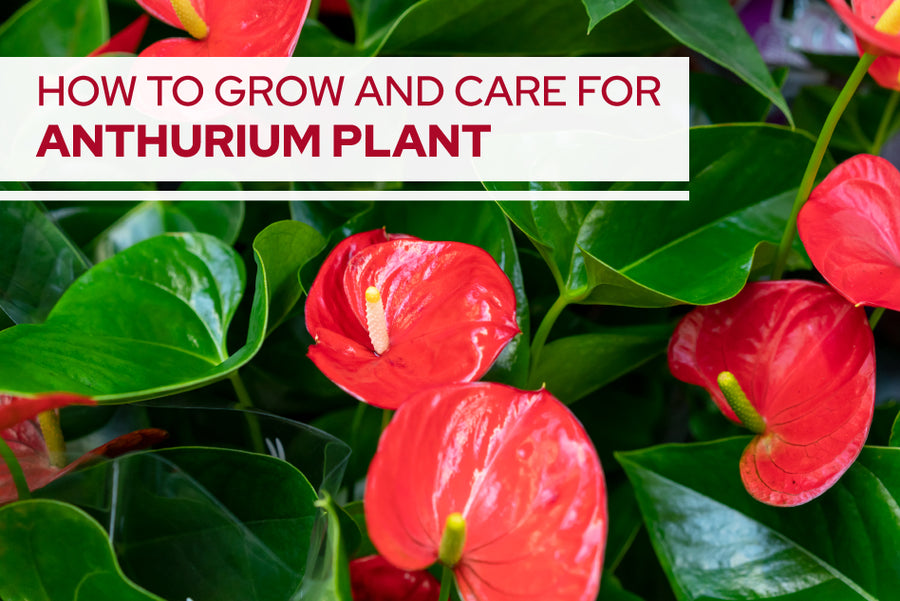
Why Anthuriums Decline Indoors
Before discussing treatment, it is important to understand why anthuriums struggle indoors.
Common causes include:
-
Poor airflow
-
Excess moisture on leaves
-
Weak root environments
-
Bacterial or fungal buildup
-
Nutrient imbalance
-
Residue buildup on leaf surfaces
When these issues accumulate, the plant redirects energy away from growth and flowering. Leaves lose their shine, yellow patches appear, and blooms become less frequent.

A successful natural anthurium care routine focuses on three areas:
-
Removing unhealthy growth
-
Cleaning and protecting leaves
-
Supporting roots gently during recovery
Step 1: Inspect and Prune the Anthurium Plant
The first step in restoring an anthurium is careful inspection.
Look for:
-
Yellow or dry leaves
-
Wilted or lifeless stems
-
Crowded growth blocking airflow
These parts no longer contribute to the plant’s health. Instead, they consume nutrients and increase the risk of fungal disease.

Using clean, sharp scissors:
-
Remove all dry or yellow leaves
-
Cut away weak or damaged branches
-
Open the plant structure to improve air circulation
This step is essential. Pruning prepares the plant to absorb nutrients efficiently and reduces disease pressure before treatment begins.
Why Natural Ingredients Work Better for Anthuriums
Anthuriums are sensitive plants. Overuse of chemical fertilizers often causes leaf burn, salt buildup, and root stress. Natural ingredients work more slowly but support long-term plant balance.
One of the most effective natural ingredients for anthurium care is lemon.
Lemon peel and juice contain:
-
Organic acids
-
Natural antibacterial compounds
-
Antioxidants
-
Mild cleansing agents
When used correctly and diluted properly, lemon-based solutions help clean leaves, suppress harmful microbes, and support root recovery.
Preparing a Natural Lemon Peel Solution for Anthurium Care
Ingredients Needed
-
Fresh lemon peel (from one lemon)
-
1 teaspoon lemon juice
-
1 liter boiling water
-
Clean glass jar
Preparation Method
-
Peel the lemon and chop the peel finely.
-
Place the peel into a clean jar.
-
Add one teaspoon of fresh lemon juice.
-
Pour in 1 liter of boiling water.
-
Stir well and let the mixture cool for 30 minutes.
This process allows essential oils and organic acids from the lemon peel to dissolve into the water safely.
Once cooled, this solution becomes a gentle, plant-safe treatment that supports natural anthurium care without damaging roots or foliage.
Preparing a Diluted Lemon Juice Solution
A second, milder solution is used for leaf cleaning and spraying.
Ingredients
-
500 ml room-temperature water
-
Juice from half a lemon
Stir well. This diluted solution contains citric acid and vitamin C at safe concentrations, making it suitable for leaf care and light spraying.
Step 2: Clean Anthurium Leaves Naturally
Leaf cleaning is one of the most overlooked steps in anthurium care.
Dust, bacteria, and residue block light absorption and gas exchange. This reduces photosynthesis and weakens the plant over time.
How to Clean the Leaves
-
Soak a soft cotton pad in the diluted lemon juice solution.
-
Gently wipe both the top and underside of each leaf.
-
Pay special attention to the leaf undersides, where stomata are concentrated.

Benefits of Lemon Leaf Cleaning
-
Removes dust and bacterial buildup
-
Prevents mold growth
-
Enhances photosynthesis
-
Restores natural leaf shine
-
Reduces yellow spotting and edge burn
This step is especially effective during humid conditions or when plants are recovering from stress.
Step 3: Spray the Entire Anthurium Plant
Once the lemon peel solution has cooled and been filtered, dilute it further by adding:
-
1,000 ml of room-temperature water
Pour the diluted solution into a clean spray bottle.
Spray evenly over:
-
Leaves
-
Stems
-
Surface of the growing medium
Why Spraying Works
-
Antibacterial and antifungal protection
-
Removal of invisible mold spores
-
Improved nutrient absorption
-
Cleaner leaf surfaces for better gas exchange
This step strengthens the plant’s natural defenses without disrupting beneficial microbes.
Step 4: Water and Soak the Root Zone
After spraying, use the remaining diluted solution to water the soil evenly.
For plants that are recovering or weak:
-
Soak the base of the anthurium for about 10 minutes.
-
Allow roots to absorb nutrients gradually.
-
Remove excess solution afterward.
Root-Level Benefits
-
Cleans the root environment
-
Limits fungal growth at the base
-
Stimulates healthy root development
-
Improves water and nutrient uptake
Root health is the foundation of long-term anthurium success.
Step 5: Dry the Leaves to Prevent Disease
After watering and spraying, gently dry the leaves with a clean, soft towel.
Why this matters:
-
Standing water encourages mold
-
Leaf crevices trap moisture
-
Wet stems increase rot risk
Drying leaves:
-
Prevents fungal disease
-
Maintains leaf shine
-
Improves overall plant hygiene
This final step completes the natural anthurium care process safely and effectively.

Light and Recovery After Treatment
Place the treated anthurium in:
-
Bright, indirect light
-
A well-ventilated area
-
Away from direct sunlight
Allow the plant to rest and adapt. Avoid fertilizing for at least two weeks after treatment.
Long-Term Anthurium Care Tips
To maintain healthy growth year-round:
-
Avoid overwatering
-
Keep leaves clean
-
Use gentle, diluted treatments
-
Maintain stable temperatures
-
Ensure good airflow
Natural care works best when applied consistently and patiently.
Frequently Asked Questions (FAQ)
Can lemon harm anthurium plants?
No, when diluted properly. Always avoid concentrated lemon juice directly on roots or leaves.
How often can I use this natural anthurium care method?
Once every 3–4 weeks, or during recovery periods.
Can this method be used on other plants?
Yes. Anthuriums, peace lilies, and similar tropical houseplants respond well.
Should I fertilize after using lemon solutions?
Wait at least two weeks. This method already supports nutrient absorption.
Is this safe for indoor environments?
Yes. All ingredients are food-safe and chemical-free.
Caring for anthuriums does not require expensive products or aggressive fertilizers. With gentle pruning, careful cleaning, and simple natural solutions, you can restore plant health and enjoy glossy leaves and consistent blooms all year.
Plant care is a slow conversation. When you offer patience and balance, your anthurium responds with strength, beauty, and vitality.
For healthy anthuriums, quality potting mixes, and expert plant advice, visit DH Garden Centre.

Whether you’re shopping for plant lovers, hunting for meaningful plants, or simply looking to add a touch of green to your own holiday décor, DH Garden Centre has everything you need for a joyful, vibrant, and beautifully green Christmas.
Visit DH Garden Centre today: where the holidays grow brighter, one plant at a time.
