
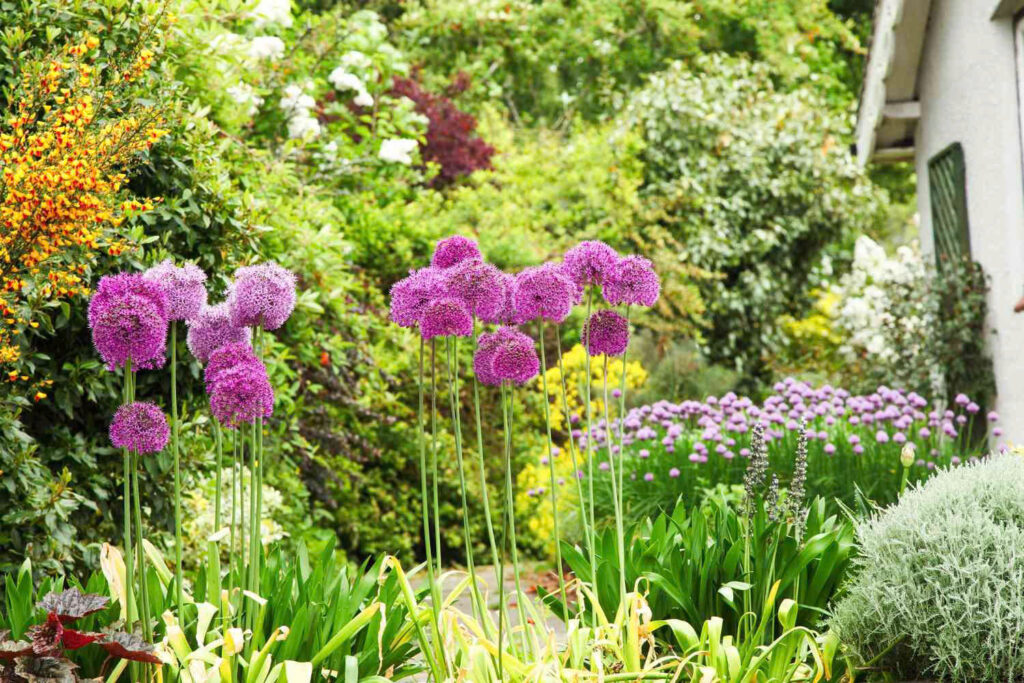
Pest-repelling perennials are one of the most underrated secrets to a healthy, chemical-free vegetable garden. While many gardeners reach for sprays or traps at the first sign of bugs, there’s a smarter, more sustainable approach – planting perennials that naturally keep pests away.
:max_bytes(150000):strip_icc()/plants-keep-mosquitoes-out-of-yard-lead-getty-0623-40ec894eca8440ca9ba98c2734d3366f.jpg)
Pest-repelling perennials are one of the most underrated secrets to a healthy, chemical-free vegetable garden.
As someone who’s spent over 25 years designing and maintaining landscapes across Vancouver, I’ve seen firsthand how the right plants can protect your veggies, attract beneficial insects, and make your garden more beautiful all at the same time.
In this post, I’ll share five of my go-to pest-repelling perennials that thrive in Canadian gardens, especially in our unique West Coast climate. These aren’t just pretty plants. They’re hardworking garden allies that come back year after year—and help your vegetables grow stronger, safer, and more resilient.
If you’re tired of pests attacking your kale, lettuce, tomatoes or beans—these are the plants you’ll want to start with.
1. Lavender (Lavandula angustifolia)
Lavender is one of the most reliable pest-repelling perennials for organic gardeners. Its aromatic foliage naturally repels a wide range of common garden pests, including aphids, whiteflies, cabbage moths, and even deer. The strong essential oils released by lavender plants act as a natural insect deterrent, making it an excellent choice for those practicing natural pest control in vegetable gardens.
Why It Works:
Lavender’s signature scent comes from volatile oils like linalool and linalyl acetate—compounds that are pleasant to humans but highly irritating to many soft-bodied insects. These oils mask the smell of nearby crops, disrupting pest foraging behavior and keeping vulnerable plants safe.
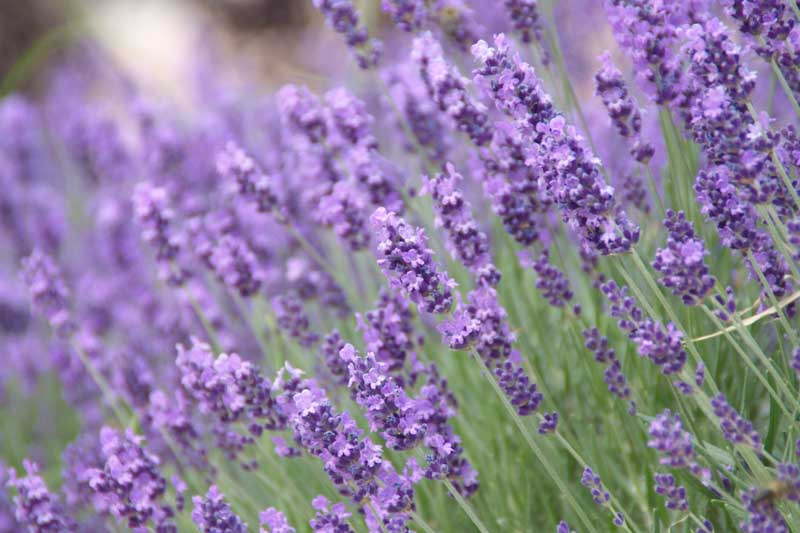
Lavender is one of the most reliable pest-repelling perennials for organic gardeners
How to Grow for Maximum Effect:
-
Plant lavender along the borders of raised garden beds or near brassicas such as cabbage, kale, and broccoli to prevent pest infestations.
-
Choose a sunny location with well-drained, slightly alkaline soil. Lavender thrives in full sun and is ideal for slopes, rock gardens, or xeriscaped borders where drainage is excellent.
🌿 Darrell’s Expert Tip:
From my experience designing low-maintenance edible gardens across Vancouver, pairing lavender with carrots or beans is a smart form of companion planting. Not only does it help repel carrot flies, but it also creates a fragrant buffer zone that enhances both function and beauty in your vegetable patch.
2. Chives (Allium schoenoprasum)
Chives are a powerhouse in organic pest control for vegetable gardens. This perennial herb emits a subtle sulfur-like aroma that effectively repels aphids, Japanese beetles, carrot rust flies, and even slugs. As a member of the onion family, chives are a perfect fit for natural companion planting strategies that focus on pest prevention without synthetic chemicals.
Why It Works:
Chives contain sulfur compounds—similar to those found in garlic—that disrupt the feeding patterns and egg-laying behaviors of soft-bodied pests. These compounds also help mask the scent of nearby vegetables, reducing their attractiveness to pest species.
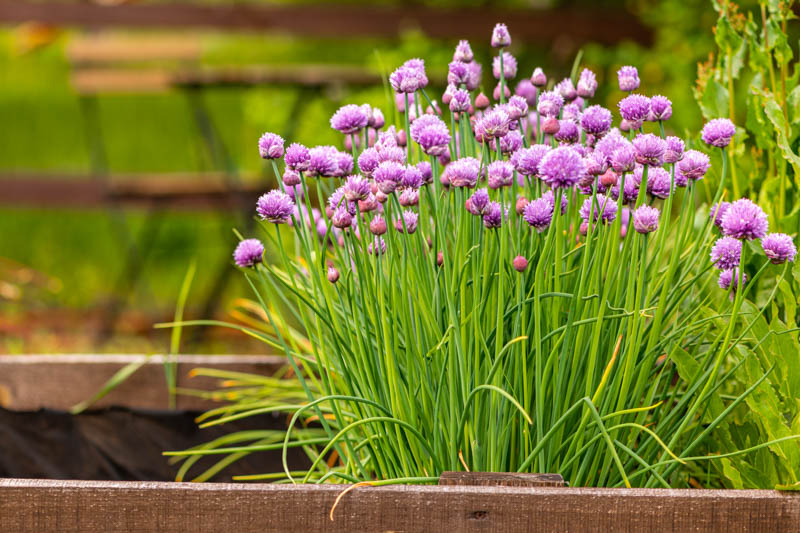
Chives emits a subtle sulfur-like aroma that effectively repels aphids, Japanese beetles, carrot rust flies, and even slugs.
How to Grow for Best Results:
-
Plant chives at the edges of raised beds or interplant among leafy greens and root vegetables for effective pest protection.
-
While the tops are delicious and can be harvested fresh, allow some chive flowers to bloom. These blooms attract beneficial insects such as hoverflies and parasitic wasps—both natural predators of garden pests.
🌿 Did You Know?
Chive blossoms are not only beautiful but serve a greater purpose in biodynamic gardening. Their nectar draws in pollinators and predatory insects, contributing to a balanced garden ecosystem that supports long-term pest management.
3. Yarrow (Achillea millefolium)
Primary Pest Control Benefits:
While yarrow doesn’t repel pests directly, it plays a vital role in organic pest control by attracting beneficial insects such as ladybugs, lacewings, and hoverflies—natural predators of aphids, spider mites, and other soft-bodied pests.
Why It Works:
Yarrow’s clusters of flat-topped flowers act like landing pads for predator insects. Its nectar-rich blooms are a food source, and its fern-like foliage offers shelter. By creating a pollinator-friendly garden, yarrow supports biodiversity and naturally reduces pest populations.
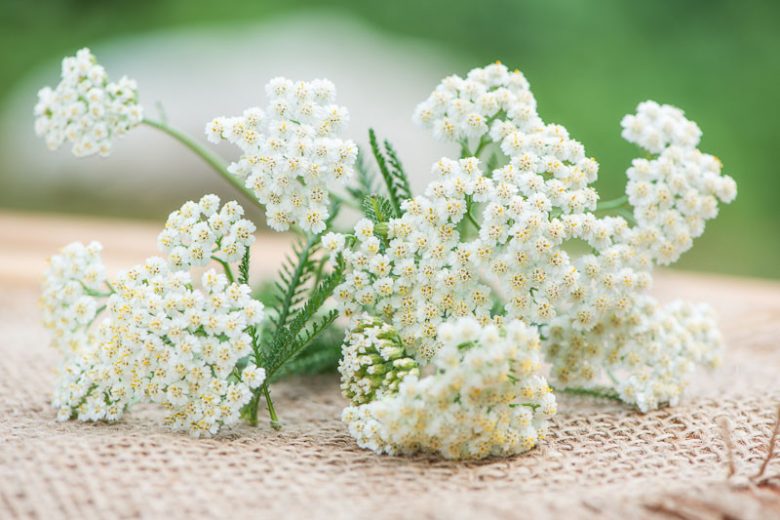
While yarrow doesn’t repel pests directly, it plays a vital role in organic pest control by attracting beneficial insects such as ladybugs, lacewings, and hoverflies
How to Use in Companion Planting:
-
Plant yarrow close to tomatoes, squash, and zucchini to help control whiteflies and aphids.
-
It thrives in poor, dry soil, making it perfect for drought-tolerant gardens or low-maintenance landscape borders.
🌿 Darrell’s Expert Tip:
Avoid cutting yarrow back too early in the fall. Letting the flowers dry on the plant provides overwintering sites for beneficial insects, helping to establish a year-round pest management cycle in your vegetable garden.
4. Mint (Mentha spp.)
Mint is one of the most effective herbal perennials for natural pest control. It emits a pungent, menthol-rich scent that deters ants, aphids, flea beetles, and cabbage loopers—common threats in vegetable beds.
Why It Works:
The aromatic oils in mint overpower the scent trails used by pests to locate host plants. This form of olfactory masking makes it harder for insects to target your crops, especially in leafy greens like lettuce and cabbage.

Mint is one of the most effective herbal perennials for natural pest control.
How to Grow Without Taking Over:
-
Mint is best grown in containers or buried pots placed strategically near vegetable beds.
-
Use it as a living border near brassicas to reduce caterpillar infestations without sprays or synthetic repellents.
🌿 From My Greenhouse to Yours:
At DH Garden Centre, I always recommend keeping mint in pots at greenhouse entrances or along vegetable garden edges. Not only does it create a fragrant, pest-resistant barrier, but the fresh scent adds a little magic every time you walk by.
5. Marjoram (Origanum majorana)
Often overshadowed by its cousin oregano, marjoram deserves a starring role in organic companion planting. Its sweet aroma and delicate blooms attract a host of beneficial insects, especially hoverflies and parasitic wasps—which are natural predators of aphids, mealybugs, and whiteflies.
Why It Works:
Marjoram doesn’t repel pests directly. Instead, it functions as a pollinator attractor and biological control ally—drawing in natural enemies of destructive insects while adding fragrance and flavor to your garden.
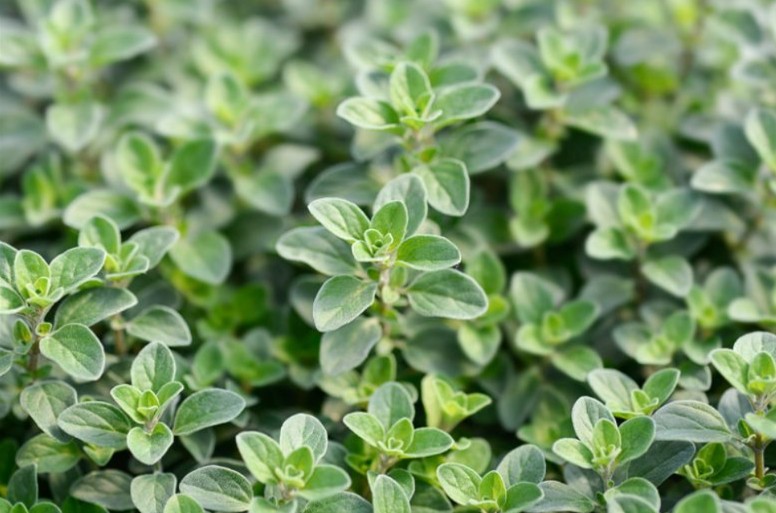
Often overshadowed by its cousin oregano, marjoram deserves a starring role in organic companion planting.
How to Incorporate It in a Vegetable Garden:
-
Interplant marjoram with tomatoes, beans, peppers, or even cucumbers to encourage predator insect activity.
-
Prefers full sun, light watering, and well-drained soil—ideal for sunny kitchen gardens or herb spirals.
🌿 Why I Recommend It at DH Garden Centre:
Marjoram is a quiet performer—low maintenance, attractive, and deeply functional. Customers are often surprised to learn that adding just a few marjoram plants can lead to noticeable pest reduction without a single drop of pesticide. It’s one of those plants I always suggest for new gardeners looking to balance beauty and practicality.
Bonus: Why Choose Perennials for Pest Control?
Unlike annual flowers that need to be replanted every spring, perennials come back stronger year after year. That means:
-
Less work for you.
-
Better soil structure.
-
And most importantly—a consistent barrier of pest protection.
They form the foundation of a more resilient, chemical-free vegetable garden—and at DH Garden Centre, we’re all about that.
Real Story from a DH Customer:
Last year, a customer came into the shop frustrated—her kale was being eaten alive by cabbage worms. We helped her plant a simple herb spiral with lavender, mint, and chives.
One month later, she sent us a photo: No more holes in her kale. Just lush green leaves… and bees everywhere.
“I didn’t know plants could protect other plants,” she said.
Yes, they can. And once you experience it, you’ll never go back.
Conclusion:
If you’re in Vancouver or surrounding areas, don’t wait for pests to invade—plant your defense now.
And if you’re not sure which perennials will suit your space, come visit us at DH Garden Centre on West 10th Avenue, or check out our online shop.
We’ll help you choose the right plants for your growing zone, sunlight, and veggie patch layout—no chemicals, no guesswork.
