

Discover the ultimate Philodendron McDowell care guide. Learn how to grow, water, and maintain this low-light houseplant successfully in Canada. Perfect for beginners and experienced plant lovers alike!
Introduction
The Philodendron McDowell is one of the most stunning and low-maintenance houseplants available. This hybrid plant, a cross between Philodendron pastazanum and Philodendron gloriosum, features lush, pillowy leaves and thrives in low-light conditions. It is perfect for plant lovers in Canada, particularly in cities like Vancouver, where natural light can sometimes be limited.
If you’re looking for a resilient, easy-care houseplant, the Philodendron McDowell is a top choice. In this guide, we’ll cover everything you need to know about Philodendron McDowell care, including light, watering, temperature, humidity, and propagation.
Why Choose Philodendron McDowell for Your Home?
Philodendron McDowell is an exceptional houseplant choice, offering a perfect blend of beauty, resilience, and ease of care. Whether you are an experienced plant enthusiast or just beginning your indoor gardening journey, this tropical stunner makes a fantastic addition to your space. Here’s why it’s a must-have for Canadian homes:
1. Low-Maintenance and Easy to Care For
Philodendron McDowell is ideal for those who want a lush, vibrant plant without the hassle of intensive upkeep. It thrives in low to medium indirect light, meaning it can adapt well to various indoor environments, from bright living rooms to dimly lit offices. Unlike finicky plants that require constant attention, this philodendron is forgiving of occasional neglect, making it a great option for busy plant lovers. Simply water it when the top inch of soil feels dry, and it will reward you with continuous growth.
2. Large, Stunning Leaves That Elevate Any Space
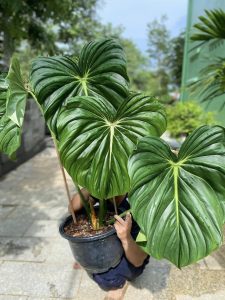
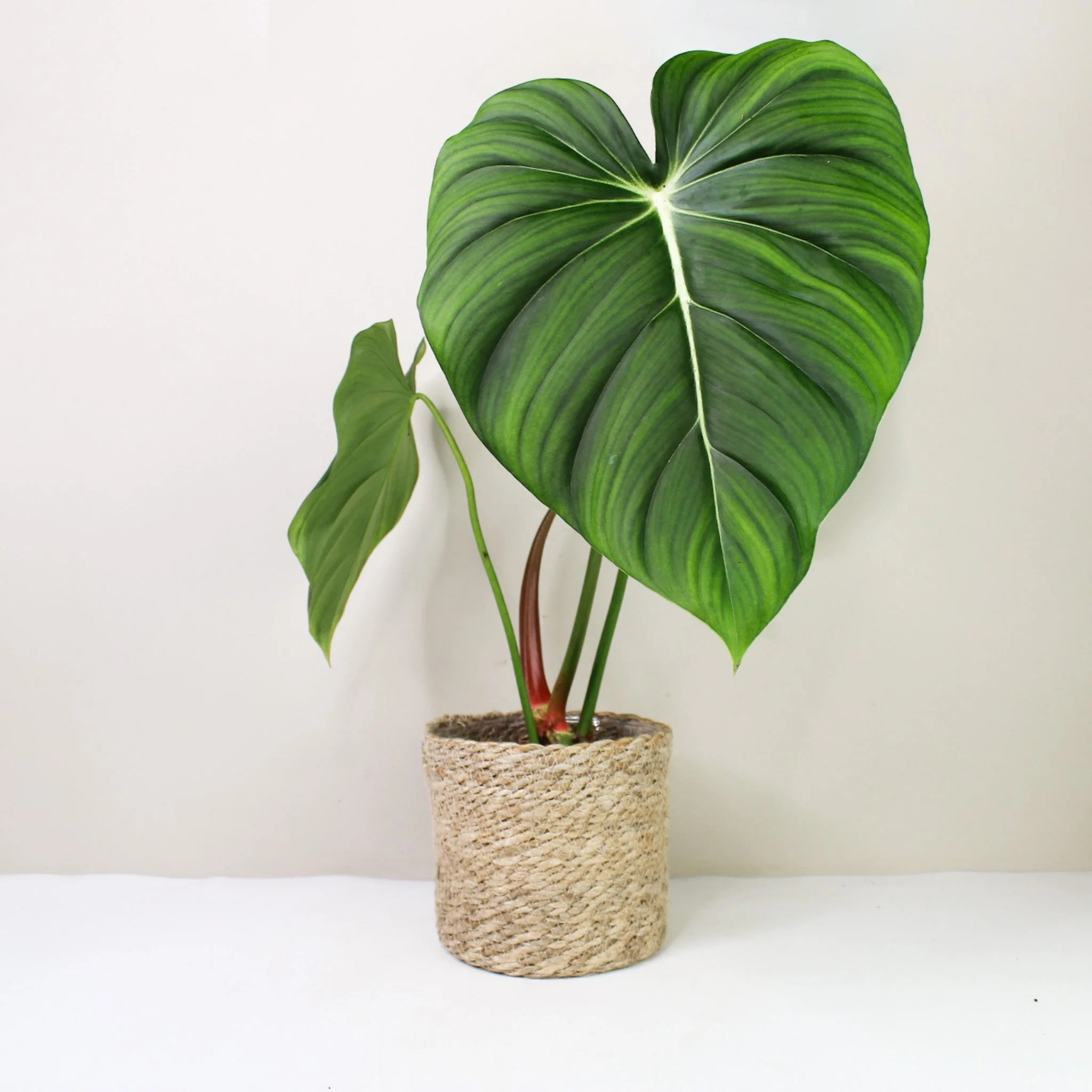
One of the standout features of the Philodendron McDowell is its impressive, heart-shaped foliage with striking, deep green hues and prominent veins. These bold, oversized leaves create a tropical, jungle-like ambiance indoors, instantly transforming any room into a lush retreat. Whether placed in a decorative pot on the floor or in a statement corner, this plant becomes an eye-catching focal point that enhances your interior decor.
3. Natural Air-Purifier for a Healthier Home
Beyond aesthetics, Philodendron McDowell offers practical benefits by helping to purify indoor air. Like many other philodendrons, it is known to filter out common household toxins, such as formaldehyde and benzene, improving air quality in your home. This makes it an excellent plant to keep in bedrooms, living areas, or home offices, where fresh, clean air contributes to a healthier indoor environment.
4. Resilient and Less Prone to Pests and Diseases
Compared to other philodendron varieties, McDowell is more resistant to pests and diseases, reducing the stress of plant care. While all houseplants require some level of attention, this variety is less susceptible to common problems like spider mites or root rot, as long as it is watered properly and kept in well-draining soil. Its resilience makes it a great choice for those who may not have a green thumb but still want a thriving houseplant.
5. Perfect for Canadian Homes, Even in Winter
Philodendron McDowell adapts well to indoor conditions, making it particularly suited for Canadian homes, where cold winters can limit plant options. Unlike more delicate tropical species, this philodendron remains vibrant and healthy indoors throughout the colder months. It thrives in average household humidity, though occasional misting or a nearby humidifier can encourage even better growth during drier winter months.
A Must-Have Indoor Plant
Whether you’re looking to add a statement piece to your indoor plant collection, improve air quality, or simply enjoy the beauty of lush greenery with minimal effort, Philodendron McDowell is an excellent choice. Its adaptability, resilience, and aesthetic appeal make it a top pick for Canadian plant lovers.
Growing Conditions
1. Light Requirements
The Philodendron McDowell naturally grows along the forest floor, meaning it does best in low to medium indirect light. Unlike other tropical plants, it does not require direct sunlight and can even adapt to low-light environments.
Best lighting conditions:
- Place in a bright, indirect light spot near a north or east-facing window.
- Avoid direct sunlight, as it can scorch the delicate leaves.
- If growing in a low-light space, consider using grow lights for supplemental lighting.

2. Watering Needs
Proper watering is crucial for Philodendron McDowell care. Overwatering can lead to root rot, while underwatering can cause slow growth.
Best watering practices:
- Water when the top 2-3 inches of soil feel dry.
- Use well-draining soil and pots with drainage holes to prevent waterlogging.
- Reduce watering frequency in winter months when plant growth slows.
3. Temperature and Humidity
The Philodendron McDowell prefers warm and humid conditions, making it an excellent choice for indoor plant lovers in Canada’s cold climate.
Ideal conditions:
- Temperature: 20-30°C (68-86°F).
- Avoid placing near cold drafts, heaters, or air conditioners.
- Maintain humidity levels above 60% for optimal growth.
- If humidity is low, use a humidifier or mist the leaves occasionally.

4. Soil Requirements
For Philodendron McDowell, a well-draining, chunky mix is ideal.
Best soil mix:
- 40% high-quality potting soil
- 30% perlite for aeration
- 20% orchid bark for added drainage
- 10% horticultural charcoal to prevent root rot
5. Fertilizing Tips
- Use a balanced liquid fertilizer every 4-6 weeks during the growing season (spring and summer).
- Reduce fertilization in fall and winter when growth slows.
- If using an organic fertilizer, ensure it contains micronutrients to support leaf health.
Propagation Guide
Propagating Philodendron McDowell is straightforward and rewarding.
Step-by-Step Propagation Process:
- Choose a healthy stem with at least one node.
- Cut below the node using sterilized scissors or pruning shears.
- Let the cutting dry for a few hours to prevent rot.
- Place in water or sphagnum moss until roots develop.
- Once the roots are 2-3 inches long, transplant into a well-draining soil mix.
Frequently Asked Questions (FAQs)
Q1: Is Philodendron McDowell suitable for beginners?
Yes! Philodendron McDowell is a great option for beginners because it is low-maintenance and adaptable to different indoor conditions.
Q2: Can Philodendron McDowell grow in low light?
Yes, this plant thrives in low to medium indirect light but does best with some bright, indirect light.
Q3: How often should I water my Philodendron McDowell?
Water when the top 2-3 inches of soil feel dry. Typically, this means watering once a week in summer and less frequently in winter.
Q4: What’s the best soil mix for Philodendron McDowell?
A well-draining soil mix with potting soil, perlite, orchid bark, and charcoal works best.
Q5: Is Philodendron McDowell toxic to pets?
Yes, Philodendron McDowell contains calcium oxalate crystals, which can be toxic to cats and dogs if ingested.
Final Thoughts
The Philodendron McDowell is an exceptional houseplant that brings elegance and a tropical feel to any space. With proper care, it can thrive in low-light environments, making it perfect for homes and offices in Canada.
Looking to add a Philodendron McDowell to your collection? Visit DH Garden Centre in Vancouver or shop online for high-quality plants, soil, and essential plant care supplies!
By following this Philodendron McDowell care guide, you’ll enjoy a lush, thriving plant that enhances your indoor space. Have any questions? Drop them in the comments below!
