
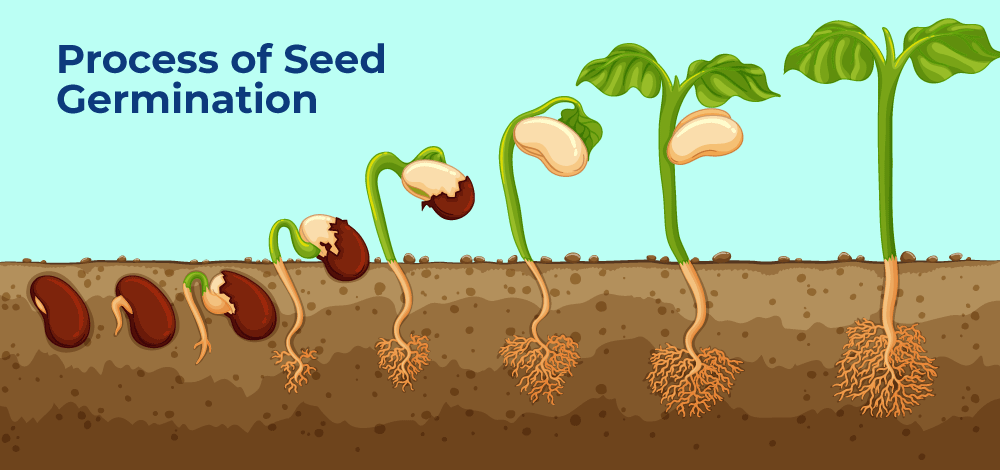
A familiar early-season disappointment
Seed starting often begins with optimism.
Fresh seed packets arrive in winter.
Trays are filled.
Soil is smoothed.
Hope is planted along with the seeds.
For a while, everything looks fine. Tiny green shoots appear, and the feeling is unmistakable. Spring has started early. Then problems arrive quietly. Seedlings stretch, stall, weaken, or collapse just days before they should have thrived. By the time outdoor weather is finally ready, many plants are already struggling.
What went wrong usually feels unclear. The effort was there. The attention was there. The timing felt right.
Most seed starting failures happen not because of neglect, but because enthusiasm moves faster than the season.
The first mistake is rushing time
Starting seeds too early is the most common error. It happens for understandable reasons. Winter feels long. The garden feels distant. Starting seeds feels productive.
But weather cannot be rushed.
When seeds are started many weeks before the last frost, seedlings outgrow their containers long before they can move outside. What began as seedlings slowly turns into full plants trapped indoors. Light becomes insufficient. Space disappears. Roots tangle. Stress accumulates.
Seeds do not benefit from extra weeks indoors. They benefit from arriving outside at the right moment.

Heat helps, but only when it is intentional
Warmth is essential for many crops, especially summer vegetables. Without adequate soil temperature, seeds simply wait. They do not fail loudly. They fail slowly.
Garages, basements, and spare rooms often feel warm enough to people, but soil temperatures remain too cool for germination. Heat mats solve this problem by warming the soil directly rather than the air.
Once seeds sprout, however, constant heat becomes less important. At that point, stability matters more than intensity.
Light is never optional
Seedlings need far more light than most indoor spaces provide.
A bright room is not the same as direct sun. Even a sunny window often delivers light from one direction only, causing seedlings to stretch and weaken. Thin stems are not a cosmetic issue. They are a structural failure that follows the plant outdoors.
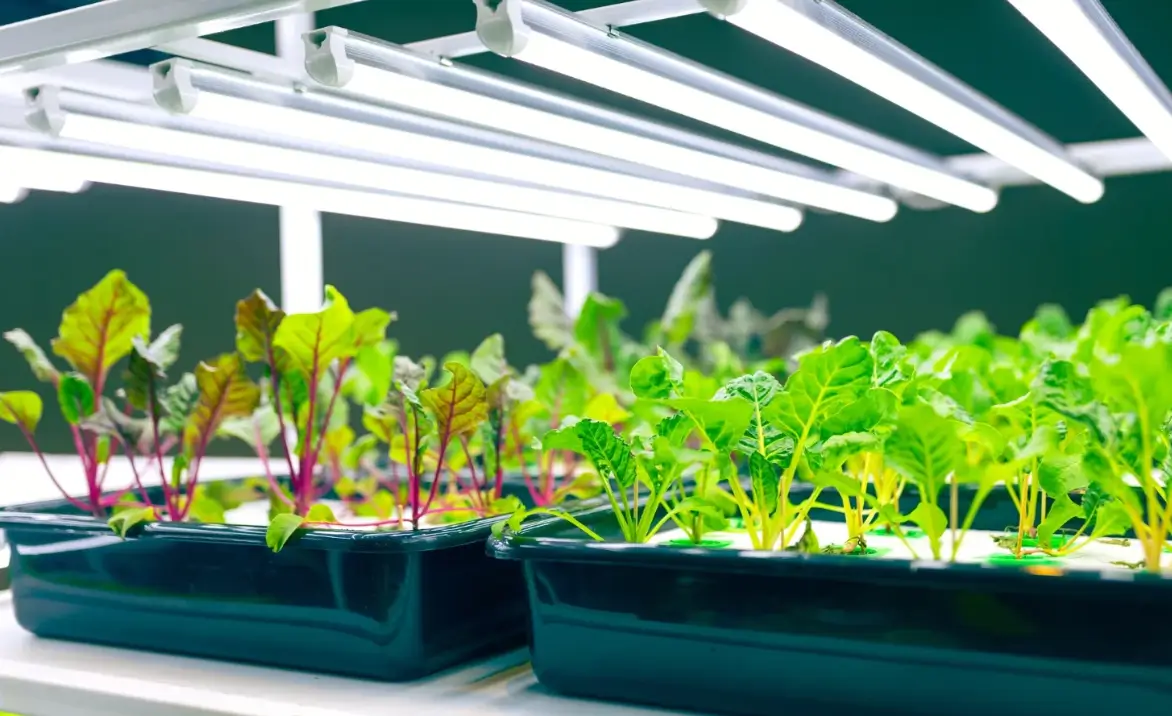
Artificial lights work well when they are close enough and bright enough. The goal is not sophistication. The goal is consistency. Seedlings need strong light early so their stems learn to support growth rather than chase brightness.
Gentle stress builds stronger plants
Indoor environments are calm. Outdoors is not.
Wind, temperature changes, and subtle movement all train plants to strengthen themselves. Seedlings raised in still air grow soft. When moved outside suddenly, they struggle.
Simple airflow indoors helps prepare them. A fan does not damage seedlings. It teaches them resilience. Slight movement encourages thicker stems and better balance.
Plants raised too gently often fail not because conditions outdoors are harsh, but because they were never introduced to them.
Watering direction shapes roots
Watering from above keeps soil surfaces damp and roots shallow. Indoors, this invites fungal problems and weak root systems.
Watering from below changes how roots grow. Moisture is pulled upward, encouraging roots to follow. This creates stronger, deeper systems that transplant more successfully later.
Roots remember where water comes from. Teaching them early matters.
The final step matters most
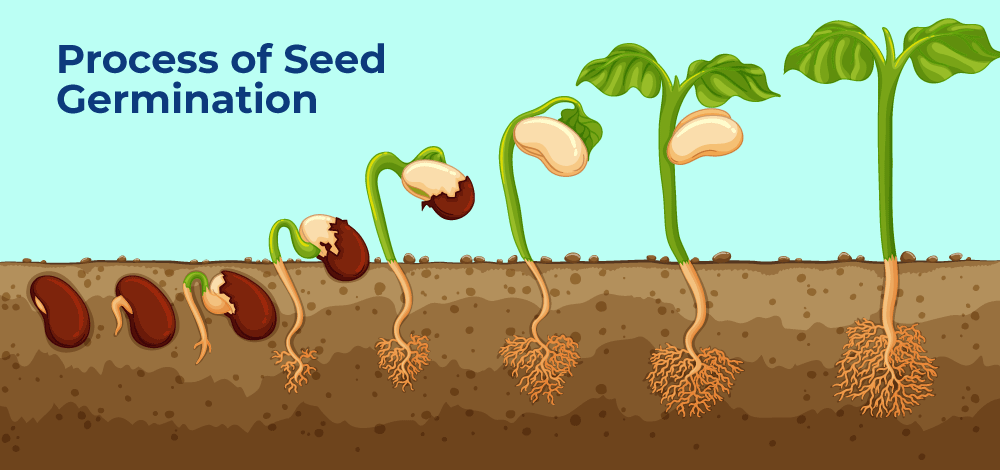
After weeks of care, many seedlings fail at the transition point.
Moving plants directly from indoors into full sun overwhelms them. Leaves are not yet adapted to that intensity. Temperature swings shock tender growth.
Hardening off is not a ritual. It is an adaptation process. Plants need time to adjust their internal systems to outdoor reality.
Slow exposure works. So does patience. When seedlings are introduced to outdoor conditions gradually, they arrive ready instead of shocked.
A quieter understanding
Seed starting is not about control. It is about timing.
Most failures happen at the edges. Too early. Too much. Too fast. Plants respond better to steady preparation than urgency.
When seeds are started at the right time, given enough light, encouraged to grow strong rather than fast, and introduced gently to the outdoors, success stops feeling mysterious.
Plants do not need perfection.
They need rhythm.
