
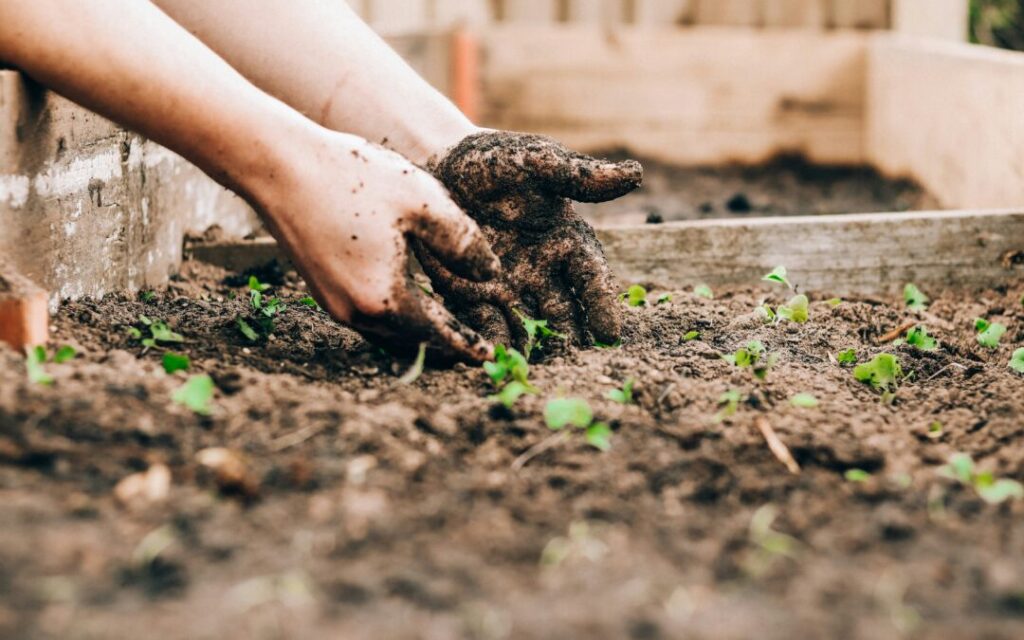
Planting mistake number 4 is delaying your garden until spring. Learn why January planting determines yield, food security, and long-term abundance, and how to fix this common winter error.
Planting Mistake Number 4: Waiting for Spring
Planting mistake number 4 is simple, widespread, and quietly destructive. Gardeners wait. They wait for warmer days, softer soil, seed catalog inspiration, and some imaginary “right time” that conveniently arrives in March or April. By then, the most valuable weeks of the growing season are already gone.
January is not a dead month in the garden. It is the month where outcomes are decided. While many people treat winter as a pause, experienced gardeners treat it as a launch.
This mistake is not about laziness. It is about misunderstanding how time works in gardening.
Why January Matters More Than Any Other Month
Plants do not care about calendars. They care about accumulated growing time. Crops like onions, leeks, celery, peppers, and tomatoes require long development periods before they ever touch outdoor soil. If you delay their start until spring, you are compressing their entire life cycle into a shorter window.
That compression has consequences. Smaller bulbs. Delayed harvests. Reduced yields. Shorter storage life. More reliance on grocery stores when prices peak.
Starting in January is not about impatience. It is about respecting biology.
The Illusion of “Early Enough”
Many gardeners believe February or March is “early enough.” In reality, those weeks are already late for long-season crops. By the time seedlings are transplanted outdoors, they are racing against heat stress, pests, and seasonal cutoffs.
January planting creates slack in the system. It gives crops time to grow steadily instead of desperately. This difference is invisible early on but decisive by midsummer.
Abundance is built slowly. Scarcity arrives suddenly.
Indoor Space Is Not a Limitation, It Is a Tool
Another reason gardeners delay is the belief that they lack space or equipment. In truth, January planting requires very little. A windowsill. A basic seed tray. Consistent temperature and light.
Seeds started in January do not need luxury. They need continuity. Even modest indoor conditions outperform a delayed outdoor start every time.
Waiting for perfect conditions is another form of delay disguised as preparation.
The Cost of Waiting Is Not Just Time
The real cost of planting mistake number 4 is dependence. When crops mature late, harvests overlap with peak market supply, not peak household need. Early harvests replace grocery trips. Late harvests compete with them.
Onions grown from January seed store longer. Lettuce grown through winter tastes better. Tomatoes started early fruit earlier, when prices are highest and flavor is scarce.
Food security is not created in summer. It is decided in winter.

Why This Mistake Persists
This mistake persists because it feels safe. Waiting feels responsible. Acting early feels risky.
But gardening rewards informed action, not caution. Every experienced grower understands that momentum matters. Once the season starts outdoors, it moves fast. There is no catching up.
January planting is not aggressive. It is deliberate.
How to Correct Planting Mistake Number 4
Correction does not require doing everything. It requires doing something. One tray of onions. One flat of lettuce. A few peppers under a warm light.
The goal is not perfection. The goal is presence. Being engaged while others are passive.
Once you experience the difference one January makes, spring gardening will never feel early again.

The Deeper Lesson Behind This Mistake
Planting mistake number 4 reflects a broader pattern. People wait for conditions instead of shaping them. In gardening, as in life, early groundwork determines later freedom.
January is not for dreaming. It is for quiet, unglamorous work that pays dividends months later.
The gardeners who succeed do not rush. They begin.
