
As autumn settles in and temperatures begin to drop, November becomes one of the most important months for preparing your garden for winter. While many gardeners view this season as the end of the growing cycle, it is actually the start of next year’s success. With thoughtful planning and proper winter care, your soil, plants, and overall landscape will be stronger, healthier, and ready to burst into life when spring arrives.
Whether you’re searching for nurseries close to me, exploring top garden center Vancouver BC options, or browsing plant nurseries Vancouver for advice, this guide brings you professional yet friendly insights on how to get your garden winter-ready.
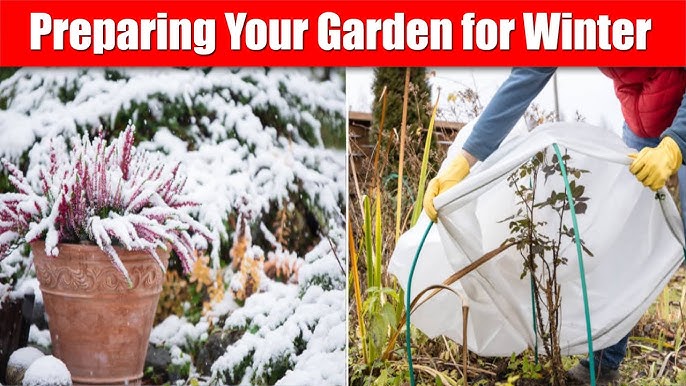
1. Start with Soil Preparation: Building the Foundation for Spring
Soil is the heart of your garden. November offers the perfect conditions to enrich it before winter sets in. Instead of heavy digging, modern gardeners now rely on gentle surface cultivation to protect soil structure and microorganism activity.
Why Light Cultivation Works Best
Traditional double-digging is no longer necessary. Instead, work the soil to half the depth of your fork’s prongs, allowing oxygen to enter while preserving layers that beneficial organisms rely on. This approach enhances soil health without disturbing its natural balance.
Add Organic Matter Generously
Whether you’re preparing your vegetable patch, borders, or a brand-new flower bed, layering the soil with organic matter such as:
-
garden compost
-
well-rotted manure
-
bagged soil improvers
This protects the surface over winter, improves moisture retention, and provides nutrients for early spring planting.
For clay soils, mix in sharp grit along with compost to boost drainage, grit lasts much longer than organic matter and helps open up dense soil. Sandy soils, by contrast, benefit from organic matter because it helps hold moisture during drier months.
If the soil is too wet, sticky, or frozen, avoid stepping on it to prevent compaction. Winter care starts with respecting the soil’s condition.

2. Protecting Tender Plants from Frost
Some plants simply cannot tolerate winter temperatures. If you’re growing citrus trees, olives, or frost-sensitive ornamentals, now is the time to move them or insulate them.
Bring Tender Plants Indoors
Citrus trees like lemons and oranges thrive when moved into:
-
a greenhouse
-
a bright indoor room
-
a heated sunroom
This keeps them alive through harsh winter nights.
Insulate Delicate Outdoor Plants
If you own larger frost-tender plants that cannot be moved, wrap them with breathable fleece. Many garden stores and plant nurseries Vancouver sell winter fleece jackets designed specifically for this purpose. Simply slip the bag over the plant, tighten the drawstring, and you’ve created a mini insulated shelter.
Dahlia Winter Care
Dahlias require special attention:
-
Option 1: Cut back the foliage and mulch heavily with compost to insulate the tubers.
-
Option 2: Dig up the tubers, dry them, and store them in a frost-free area until spring.
Both methods protect your investment and ensure these showstoppers return each year.
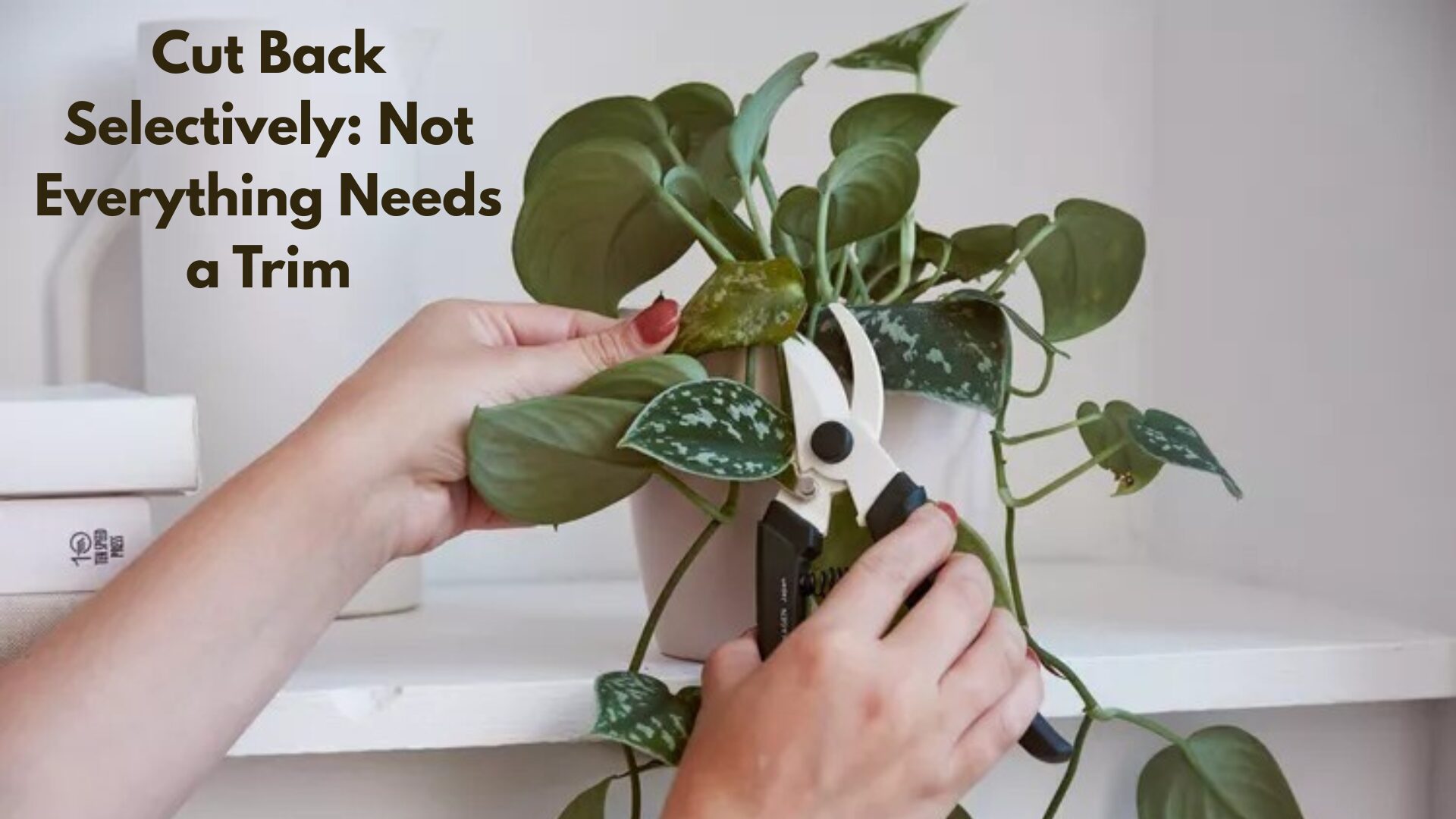
3. Cut Back Selectively: Not Everything Needs a Trim
One common November mistake is cutting back everything in sight. The truth? Cutting back should be selective, not automatic.
When to Cut Back
Plants that are brown, dying back, or likely to rot benefit from trimming. Catmint (Nepeta), for example, can be cut back dramatically to allow airflow and prevent winter rot.
When Not to Cut Back
Plants with green growth still intact should be left alone because they are actively feeding the roots. Removing healthy foliage reduces their energy reserves during the most challenging season.
Leave Wildlife-Friendly Plants
Some plants serve as important winter food or shelter for birds and beneficial insects. Sea holly (Eryngium), grasses, and seed-bearing perennials add winter interest and support local ecosystems.
4. Winter Garden Planning: Reflect, Evaluate, and Prepare
With the physical work done, November is also a perfect time to slow down and plan next year’s garden.
Review This Year’s Successes
Sort through your leftover seeds and ask yourself:
-
Which varieties thrived?
-
Which underperformed?
-
What should be rotated or relocated next year?
Record notes in a garden journal and design next year’s layout. This reflective practice is both calming and practical.
Dreaming Ahead
To gardeners, autumn is not the end—it is the beginning of next year’s dreams. With a few seed packets and a bit of care, those dreams will become real beds of color and life.
If you’re visiting a nursery close by me, a plant store Vancouver, or browsing online for new varieties, this is the perfect time to shop for bulbs, tools, and soil amendments.
5. Where to Shop for Winter Garden Supplies in Vancouver
Finding the right tools, fleece wraps, compost, or advice is easier when you know where to look. If you’re searching for garden centres in Vancouver, a plant shop Vancouver, or reputable plant nurseries Vancouver, here are some excellent options:
-
Local garden stores offering winter-care supplies
-
Independent plant nurseries Vancouver specializing in hardy plants
-
Large garden center Vancouver BC retailers with extensive winter stock
-
Smaller neighbourhood shops recommended when searching nurseries close to me
Shopping locally not only supports your community but also ensures you’re getting products suited to Vancouver’s climate.
6. Winter Care Essentials: What Every Gardener Should Know
To keep your garden healthy through the cold season, focus on these winter care fundamentals:
Mulching
A thick layer of mulch protects soil structure, insulates roots, and reduces weed growth.
Watering Wisely
Plants require less water in winter, but evergreen shrubs and newly planted trees may need occasional drinks during dry spells.
Protecting Containers
Potted plants are more vulnerable to frost. Move them against house walls or into sheltered spots.
Monitoring Temperature Changes
Sudden cold snaps can damage unprotected plants. Keep fleece wraps and cloches ready for emergencies.
Frequently Asked Questions (FAQ)
1. When should I start preparing my garden for winter?
November is ideal, as soil is workable and plants are entering dormancy.
2. What should I add to my soil before winter?
Compost, manure, or soil improvers help build fertility for spring.
3. Which plants must be protected from frost?
Citrus, olives, dahlias, and many tender perennials benefit from indoor storage or fleece insulation.
4. Where can I buy winter garden supplies in Vancouver?
Look for garden centres in Vancouver, plant shop Vancouver, plant store Vancouver, and plant nurseries Vancouver that carry fleece, compost, fertilizer, and winter tools.
5. Should I cut back all perennials?
No. Only cut back brown, dying stems. Leave healthy green growth and wildlife-friendly plants.
Prepare Your Winter Garden Today
If you’re ready to prepare your garden for winter and set the stage for a thriving spring, now is the best time to gather your supplies. Visit your local garden center Vancouver BC, explore trusted plant nurseries Vancouver, or search for nurseries close to me to stock up on winter tools, compost, fleece, and expert advice. A little effort today brings a garden full of rewards next season.

Whether you’re shopping for plant lovers, hunting for meaningful plants, or simply looking to add a touch of green to your own holiday décor, DH Garden Centre has everything you need for a joyful, vibrant, and beautifully green Christmas.
Visit DH Garden Centre today: where the holidays grow brighter, one plant at a time.
