
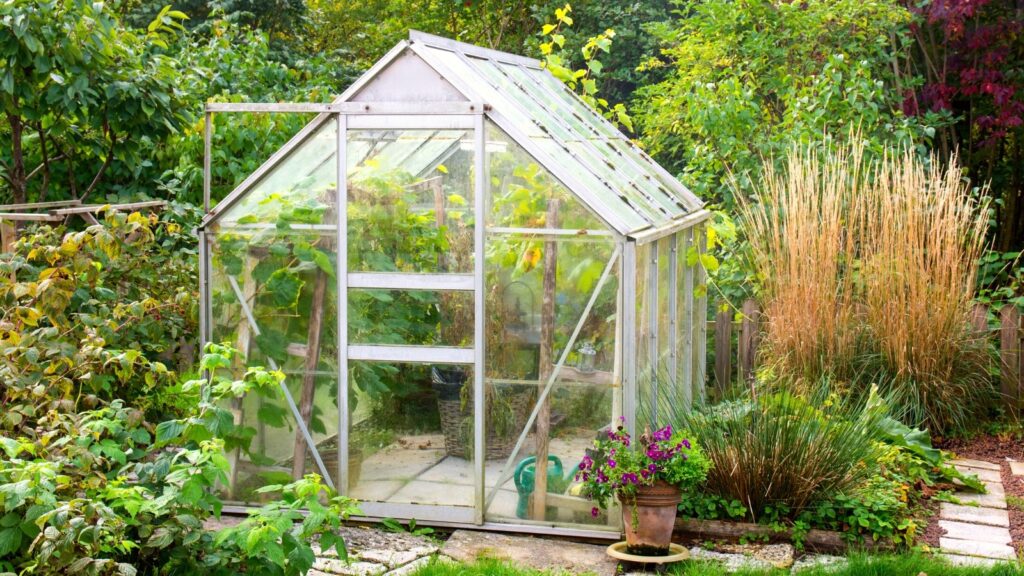
Learn how to protect plants from frost and freeze using plant covers, frost fabric, water barrels, and incandescent lights. Step-by-step tips for winter plant protection, vegetable gardens, and fruit trees in cold climates.
How to Protect Plants from Frost and Freeze with Plant Covers
When the first frosts arrive, most gardeners do the same thing: panic, grab a random “plant cover” online, throw it over their plants, and hope for the best. The next morning everything is blackened and mushy, and the product gets a one-star review.
The truth is simple:
Plant covers work extremely well against frost and light cold, and almost not at all against a real freeze unless you use them correctly.
In this guide, we will walk through, step by step, how to protect plants from frost and freeze using:
-
Frost fabric and agricultural fleece
-
Simple PVC hoop houses
-
Plant jackets and fitted sheets
-
Incandescent Christmas lights
-
Water barrels as thermal mass
You will see how to protect your vegetable garden, your cold-sensitive fruit trees, and your ornamental plants in a way that is realistic, repeatable, and based on real-world results.
Why Plant Covers Fail in a Freeze
Before we talk about techniques, we need to clear up the biggest misunderstanding in winter plant protection.
Most people assume plant covers work like warm clothing. If a sweatshirt keeps you warm, surely a “frost blanket” keeps a lemon tree warm, right? Not quite.
Plants Are Not People
-
Humans are warm-blooded.
Our bodies constantly generate internal heat. Clothing simply traps that heat and stops it escaping. A light T-shirt lets heat escape; a thick insulated coat traps it. -
Plants are not warm-blooded.
Plants do not generate their own heat. When you toss a cover over a tree during a hard freeze, there is no internal heat source for the cover to trap.
What does this mean in practice?
-
In a light frost (temperatures around or just above freezing), a plant cover can protect leaves by preventing frost from settling directly on the foliage.
-
In a true freeze (temperatures well below 0°C / 32°F), a thin fabric cover with no heat source underneath will simply freeze through. Your plant will be almost as exposed as if it were uncovered.
The #1 Mistake Gardeners Make
The main reason “frost covers” get so many bad reviews is human error:
People expect a cover alone to protect against a deep freeze, without adding heat or thermal mass underneath.
To protect plants from frost and freeze effectively, you either need:
-
A heat source under the cover (for example, incandescent Christmas lights), or
-
A large thermal mass that releases stored heat overnight (for example, black water barrels warmed by the sun).
Once you understand this, everything about winter plant protection becomes much more logical.

Using Plant Covers Correctly
Plant covers, frost fabric, and plant jackets are powerful tools—when used for the right job.
What Plant Covers Can Do
-
Prevent frost from forming directly on leaves
-
Reduce wind chill and desiccation
-
Slightly buffer temperature swings
-
Help hold in heat from a separate source (lights, water barrels, masonry walls, etc.)
What Plant Covers Cannot Do Alone
-
They cannot create warmth out of thin air.
-
In sub-freezing temperatures, a cover with no heat source or thermal mass underneath will not protect tender plants for long.
Think of plant covers as the outer shell of a winter system, not the system itself.
How to Protect Vegetable Gardens from Frost
Cold-season vegetables are naturally more tolerant of low temperatures, but most of them are more freeze-tolerant than frost-tolerant. In other words, the ice crystals that form on leaf surfaces often do more damage than the air temperature alone.
The goal in a winter vegetable garden is simple:
Stop frost from forming directly on the plants while still letting the bed breathe.
1. Build Simple PVC Hoops
One of the most cost-effective ways to protect a vegetable bed from frost is a basic hoop-house setup:
-
Install PVC hoops over raised beds or in-ground rows.
-
Space them so they create a stable tunnel frame.
-
Secure the ends firmly into the soil or bed edges.
You can build a full set of hoops in less than an hour with inexpensive materials, and they will last for many seasons.
2. Cover with Frost Fabric or Agricultural Fleece
Instead of greenhouse plastic, use a breathable agricultural fabric (often called frost cloth, frost fabric, or fleece):
-
It lets light through, so plants continue to photosynthesize.
-
It lets rain through, so you do not have to keep uncovering and re-covering.
-
It breathes, so heat can vent during the day and your cool-season crops do not overheat or bolt.
Attach the fabric to the PVC hoops using snap clamps or clips so it stays put in wind but can be removed when needed.
This setup:
-
Prevents frost formation on leaves
-
Extends your harvest deeper into winter
-
Adds a few degrees of winter plant protection without constant daily management
3. Why You Should Avoid Greenhouse Plastic for Winter Greens
Many gardeners assume greenhouse plastic is better because it sounds more “serious.” In reality, for cool-season crops it often causes more problems than it solves:
-
On sunny days, plastic can trap too much heat and cook lettuce, spinach, and brassicas.
-
You must constantly vent the tunnel to avoid overheating.
-
Fluctuating extremes of hot days and cold nights can stress plants and reduce quality.
For frost protection on hardy vegetables, breathable frost fabric is almost always the better choice.
4. No Hoops? Use Fabric Directly (With a Caveat)
If you do not have a hoop structure, you can still drape frost fabric directly over your beds:
-
This is better than nothing and will help for light to moderate frosts.
-
However, wherever the fabric touches the leaves, there is a risk of contact frost damage.
Hoops keep the fabric off the plants, which is why they are the preferred long-term solution.
5. Warm-Season Vegetables: When to Call It Quits
Tomatoes, peppers, eggplants and other warm-season crops are extremely vulnerable:
-
A light frost may be survivable with covers.
-
A hard freeze in the upper 20s°F / around −2 to −5°C usually means the season is over.
At that point, it is often more realistic to:
-
Harvest what you can,
-
Save seeds if desired, and
-
Focus your energy on winter crops that can truly handle the cold.
How to Protect Trees and Shrubs from Cold
Protecting trees is a different game from protecting lettuce. Much depends on whether the tree is deciduous or tropical/subtropical.
Deciduous Trees: Often No Protection Needed
Deciduous fruit trees and shrubs such as apples, pears, peaches, figs, jujubes, and many ornamentals—drop their leaves and go into dormancy.
-
Frosts and freezes are not just harmless; they are often necessary to keep the tree’s natural cycle on track.
-
In most climates suited to these trees, you do not need elaborate winter plant protection.
The real challenge is with tropical and subtropical trees that would not normally experience such cold.
Tropical & Subtropical Trees: Three Proven Cold-Protection Tricks
To grow citrus, avocados, and other warmth-loving species in cooler climates, you need to stack advantages.
Trick 1: Plant Near a Warm House Wall
Plant your most cold-sensitive trees near a south-facing wall (in the Northern Hemisphere) or north-facing wall (in the Southern Hemisphere):
-
The wall absorbs sunlight during the day and radiates heat back at night.
-
This small microclimate can keep the area near the wall several degrees warmer than the surrounding garden.
-
Often, frost will form out in the yard while a narrow strip beside the house remains frost-free.
Choose dwarf or semi-dwarf varieties with shallow, non-aggressive roots so you do not damage foundations.
Trick 2: Use Incandescent Christmas Lights as a Heat Source
Not all garden lighting is created equal.
-
LED lights are energy efficient but produce almost no heat. They are useless for frost protection.
-
Incandescent C9 Christmas lights, on the other hand, give off a significant amount of warmth.
How to use them safely:
-
Wrap one or two strands of outdoor-rated incandescent C9 lights around the inner branches of the tree, focusing on the central framework and trunk.
-
Plug them into an outdoor outlet, ideally controlled by a timer or smart plug so you can switch them on only during freezes.
-
Do not overload the circuit, most strings specify how many can be safely linked together.
This creates a gentle, steady heat source inside the canopy, exactly where you need it.
Trick 3: Add Water Barrels for Thermal Mass
To protect plants from freeze even during power cuts, you can combine incandescent lights with thermal mass:
-
Place one or more large black water barrels (often repurposed food-grade pickle barrels) near the tree.
-
Fill them with water and leave them exposed to the sun during the day.
-
Water has a high specific heat capacity, so it absorbs heat slowly and releases it slowly overnight.
When a cold front hits:
-
Move a breathable plant jacket or frost blanket over both the tree and the barrel, trapping the stored warmth.
-
Secure the bottom with bricks or stakes to prevent wind lifting the cover.
Under this system, it is common to gain 10–15°F (5–8°C) of protection inside the cover compared with outside air temperatures.
Plant Jackets, Fitted Sheets, and When to Use Each
Breathable Plant Jackets
Plant jackets are essentially pre-sewn frost fabric bags with drawstrings:
-
They slip over the entire tree.
-
They are breathable, so you can leave them in place for days or weeks.
-
They pair perfectly with incandescent lights and water barrels.
They are ideal for:
-
Repeated cold snaps
-
Gardeners who travel and need low-maintenance protection
-
Citrus, avocado, and other marginal trees grown in cooler zones
Fitted Sheets and Temporary Covers
If a sudden frost is coming and you do not have plant jackets on hand:
-
Use cotton sheets, duvets, or blankets as a short-term emergency cover.
-
A fitted sheet over a reasonably hardy tree can help protect fruit during a light freeze.
However:
-
Cotton will soak up water and become heavy in rain or snow.
-
It does not breathe in the same controlled way as frost fabric.
-
It is best used for one or two nights, not as a full-season strategy.
Practical Guidelines: When to Protect and When to Relax
Every garden is unique, but these rough guidelines help:
-
Hardy winter vegetables (kale, leeks, carrots, many brassicas): usually tolerate light freezes, but benefit greatly from frost fabric over hoops.
-
Tender greens (fancy lettuces, Asian greens): protect whenever frost is predicted; they bruise easily from ice crystals.
-
Deciduous fruit trees: generally do not need covering in normal winter—focus on good pruning and overall health instead.
-
Citrus, avocado, and tropicals:
-
Cover and heat when temperatures threaten to drop below their known tolerance.
-
Combine microclimate, thermal mass, and incandescent lights for best results.
-
Over time, you will learn exactly how far you can push each crop in your own climate.
Call to Action: Build Your Winter Plant Protection System
Instead of panicking at the first frost warning, treat winter like any other season: one that you can plan for.
-
Walk your garden and list which plants are:
-
Fully hardy
-
Moderately hardy
-
Cold-sensitive and worth protecting
-
-
For each group, decide:
-
Where you can install PVC hoops and frost fabric
-
Which trees would benefit from house-wall microclimates
-
Where you can place water barrels and plant jackets
-
-
Gather your materials now—frost fabrics, snap clamps, incandescent Christmas lights, and water barrels—so you are not scrambling on the coldest night of the year.
With a simple, well-planned system, you can keep harvesting vegetables all winter, protect valuable fruit trees, and dramatically reduce winter losses in your garden.
FAQ: Winter Plant Protection and Frost Covers
1. Do plant covers really protect plants from freeze?
Plant covers protect plants very well from frost and light cold, but in a true freeze they only work if you also provide a heat source (incandescent lights) or thermal mass (water barrels) underneath the cover.
2. What is the best cover to protect plants from frost?
For most home gardens, breathable frost fabric or agricultural fleece is best. It keeps frost off the leaves, lets in light and rain, and reduces the risk of overheating compared with greenhouse plastic.
3. Can I use plastic to protect plants from frost?
You can, but it is risky. Clear plastic traps heat aggressively and can quickly overheat cool-season crops during a sunny day. It also does not breathe, so you must constantly vent it. For simple frost protection, frost fabric is usually the better choice.
4. How can I protect my vegetable garden from frost without a greenhouse?
Install cheap PVC hoops over each bed and cover them with frost fabric. This creates a mini hoop house that keeps frost off your plants and adds a few degrees of protection without the cost and complexity of a full greenhouse.
5. How do water barrels help protect plants from cold?
Large barrels of water act as thermal mass. They warm up during the day and slowly release that heat at night. When combined with a frost blanket or plant jacket, they can raise the temperature around your plants by 5–10°C (10–15°F) during a freeze.
6. Are incandescent Christmas lights safe to use on trees?
Outdoor-rated incandescent C9 lights are designed for exterior use and are generally safe when used properly. They provide gentle warmth and are a proven tool for winter plant protection. Avoid LEDs, they do not produce enough heat.
