
Learn how semi-hydroponic orchids growing without daily watering improves root health, boosts flowering, and saves time. Expert orchid care guide by DH Garden Centre.
Why Many Orchids Struggle in Home Conditions
Orchids are often described as difficult plants, yet in commercial greenhouses they grow quickly, bloom generously, and maintain strong root systems. The difference is not luck or skill. It is environment.
Most orchids sold in garden centres are grown in tightly controlled conditions where temperature, humidity, airflow, and light are carefully regulated. When these plants are brought home, the environment changes overnight. Humidity drops, airflow becomes inconsistent, and watering schedules become irregular.
At DH Garden Centre, one of the most common challenges orchid growers face is maintaining the correct moisture balance. Too dry and roots shrink. Too wet and roots rot. The result is stress, slow growth, and disappointing blooms.
This is where the semi-hydroponic orchid growing method becomes a powerful alternative.
What Is Semi-Hydroponic Orchid Growing?
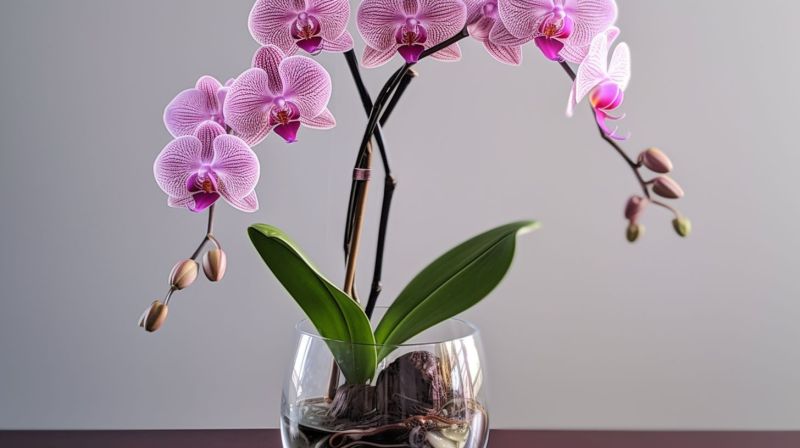
Semi-hydroponic orchid growing is a method where orchids are grown in an inert, breathable medium instead of traditional bark or moss. The plant sits above a small water reservoir, allowing moisture to wick upward while roots remain well oxygenated.
This approach:
-
Maintains consistent humidity around the roots
-
Eliminates daily watering
-
Reduces root rot
-
Encourages faster root growth
For orchids, which are tropical plants with high humidity needs, this method closely mimics their natural environment.
Why Traditional Orchid Potting Often Fails at Home
Most orchids purchased from nurseries are planted in moss or bark designed for greenhouse use. These materials perform well under professional conditions but behave very differently in homes.
Common problems include:
-
Media staying wet too long in low light
-
Uneven drying that damages roots
-
Frequent watering mistakes
When orchids experience repeated cycles of drought followed by heavy watering, roots weaken and decay. Over time, the plant loses its ability to absorb nutrients effectively.
The Key Advantage of Semi-Hydroponic Orchids: Stable Moisture
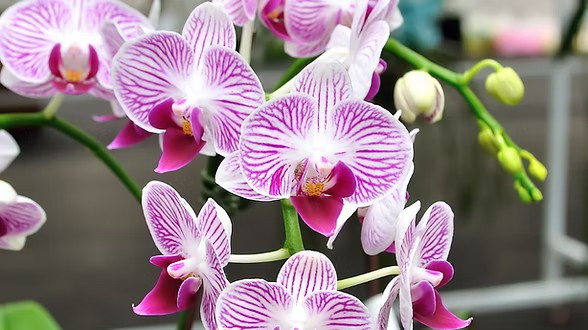
The greatest strength of the orchid semi hydroponic method is moisture consistency.
Instead of soaking and drying cycles, the growing medium maintains steady humidity. Only the lower portion of the pot contacts water, ensuring:
-
Roots are never waterlogged
-
Oxygen remains available
-
Moisture is always accessible
This balance is critical for orchid root health.
Choosing the Right Medium for Semi-Hydroponic Orchids
The most commonly used medium for semi-hydroponic orchids is LECA (Lightweight Expanded Clay Aggregate).
LECA is:
-
Highly breathable
-
Non-degrading
-
Excellent at wicking moisture
Other semi-hydroponic media such as PON can also work, but LECA is lightweight, widely available, and beginner-friendly.
At DH Garden Centre, LECA is often recommended for growers transitioning from traditional orchid media.
How to Set Up Semi-Hydroponic Orchids Step by Step
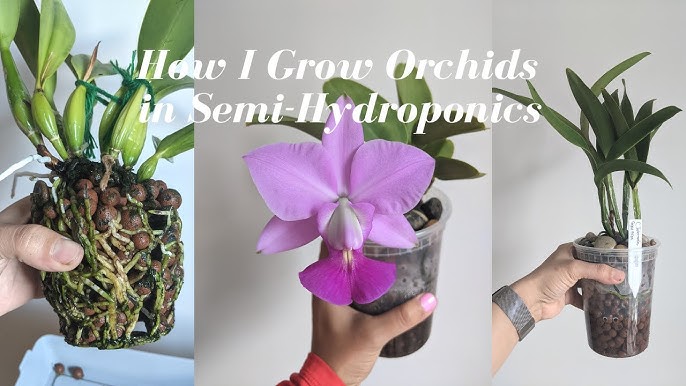
1. Prepare the Container
Recycled plastic bottles or clear plastic pots work well. The bottom section holds water, while the upper section supports the plant.
Drill or melt small holes around the pot to improve airflow.
2. Remove Old Media
Gently remove the orchid from its pot. Squeeze the plastic pot if needed to loosen roots. Remove all moss or bark carefully.
Cut away damaged or rotten roots.
3. Rinse the Root System
Wash roots with clean water to remove remaining debris. Some root loss is normal during transition.
4. Add LECA
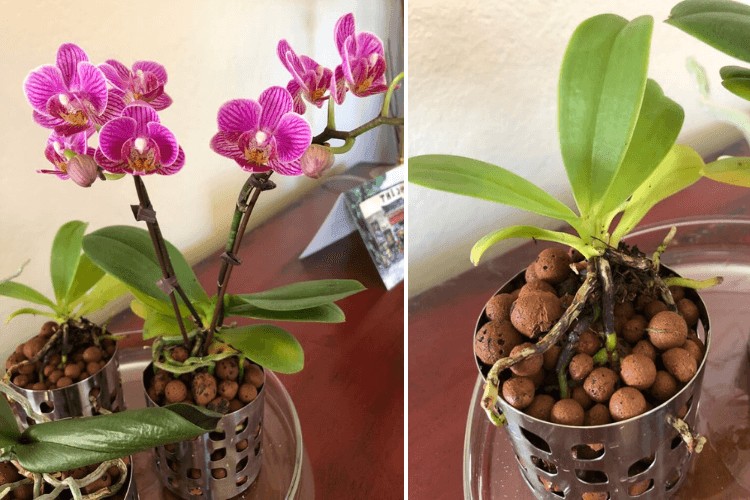
Fill the pot partially with LECA. Place the orchid so the base of the plant remains above the water line.
Fill around the roots with LECA until stable.
5. Create the Water Reservoir
Add water until it reaches about one-third of the pot height. The LECA will wick moisture upward naturally.
From this point on, no daily watering is required.
Watering and Maintenance in Semi-Hydroponic Orchid Care
In semi-hydroponic systems, watering becomes simple.
-
Top up water when the reservoir drops
-
Never let it dry completely
-
Refresh water periodically
This consistency removes guesswork and dramatically reduces care time.
Fertilizing Orchids in Semi-Hydroponic Systems
Traditional orchid fertilizers assume nutrients are stored in organic media. LECA does not provide nutrients.
For semi hydroponic orchids, use:
-
A complete hydroponic fertilizer
-
Low concentrations
-
Application every two to three weeks
This ensures orchids receive calcium, magnesium, and trace elements essential for flowering.
Why pH Matters for Semi-Hydroponic Orchids
In soil-free systems, nutrient absorption depends on water pH.
Ideal pH range:
5.5 to 6.5
Outside this range, nutrients become unavailable even if fertilizer is present. Simple test strips are sufficient for monitoring.
Once adjusted, pH remains stable with consistent water sources.
Light and Placement: A Critical Success Factor
Semi-hydroponic orchids still require correct light.
Best placement:
-
Bright, indirect light
-
Cool, well-ventilated areas
-
No harsh direct sun
Direct sunlight can scorch leaves, while low light slows growth and flowering.
Why Semi-Hydroponic Orchids Grow Faster
Growers consistently observe:
-
Faster root development
-
Stronger leaf structure
-
Deeper flower colour
-
Longer bloom duration
Healthy roots drive the entire plant. When moisture and oxygen are stable, orchids invest energy into growth instead of survival.
Common Mistakes to Avoid
-
Letting the reservoir dry completely
-
Using regular soil fertilizer
-
Skipping periodic flushing of LECA
-
Converting severely stressed orchids
Semi-hydroponic systems work best with healthy plants or new divisions.
Best Way to Start with Semi-Hydroponic Orchids
If you are new to this method:
-
Start with one orchid
-
Choose a healthy plant
-
Use clear containers to observe root growth
Once confidence builds, expand gradually.
FAQ: Semi-Hydroponic Orchid Growing
Can orchids live in water permanently?
No. Roots need oxygen. Semi-hydroponic systems provide both moisture and air.
How often do I add water?
Only when the reservoir drops. No daily watering is required.
Will orchids bloom in semi-hydroponic setups?
Yes. Many growers report stronger and longer-lasting blooms.
Is LECA safe for orchids long term?
Yes. It does not break down and maintains airflow.
Final Thoughts From DH Garden Centre
Orchids are not difficult plants. They are specific plants.
When their need for consistent humidity and oxygen is met, they respond with strong growth and abundant flowers. Semi-hydroponic orchid growing without daily watering is not a shortcut. It is a more stable system.
At DH Garden Centre, we encourage growers to choose methods that simplify care while improving plant health.
Looking for LECA, hydroponic fertilizer, or guidance on semi-hydroponic orchid setups?
Visit DH Garden Centre for expert advice and practical solutions that help your orchids grow healthier and bloom better, season after season.

Whether you’re shopping for plant lovers, hunting for meaningful plants, or simply looking to add a touch of green to your own holiday décor, DH Garden Centre has everything you need for a joyful, vibrant, and beautifully green Christmas.
Visit DH Garden Centre today: where the holidays grow brighter, one plant at a time.
