

Learn how to care for snake plants the right way. From watering and light to soil, repotting, and fertilizer, DH Garden Centre shares expert snake plant care tips that actually work.
Why Snake Plants Thrive or Fail
Snake plants are often described as “unkillable,” yet they are one of the most commonly failed houseplants we see at DH Garden Centre. The reason is simple: snake plants tolerate mistakes, but they do not thrive on neglect alone.
When cared for correctly, a snake plant becomes a striking, architectural feature that elevates any interior space while requiring minimal maintenance.
In this guide, you will learn:
-
How to choose a healthy snake plant
-
Proper lighting and placement
-
Correct watering techniques
-
Fertilizing without damaging roots
-
When and how to repot safely
-
How to avoid the most common snake plant mistakes
By the end, you will know exactly how to keep your snake plant thriving long-term.

Choosing a Healthy Snake Plant at the Nursery
Strong snake plant care begins before you bring the plant home.
What to Avoid
-
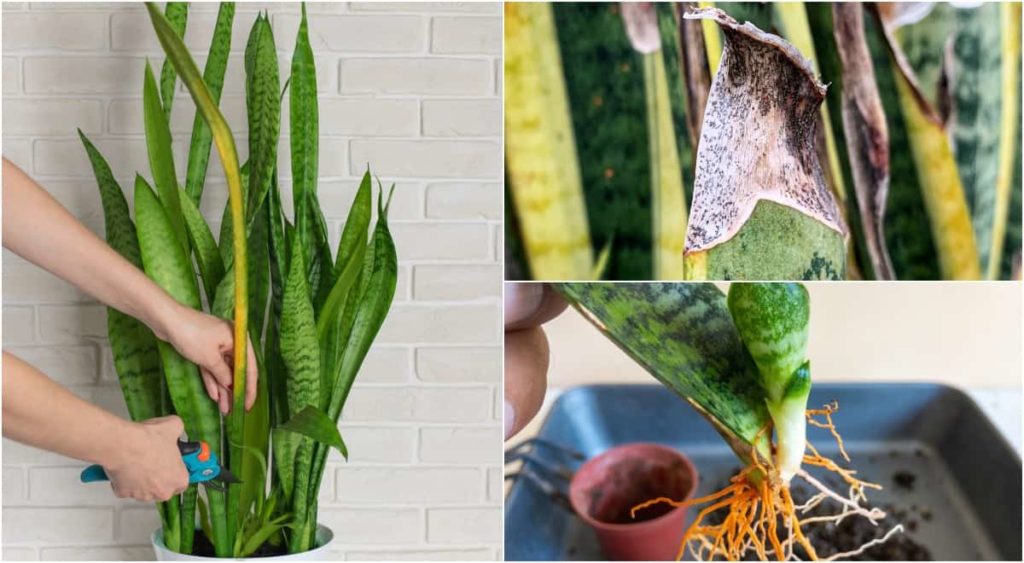
Round brown or yellow blemishes on leaves
These often indicate fungal or bacterial disease. Even experienced growers struggle to eliminate these infections once established. -
Soft or foul-smelling roots
This is an early sign of root rot.
If you see these issues, choose another plant. Starting with poor stock almost always leads to long-term problems.
What Is Acceptable
-
Minor cracks or scars on leaves
As long as there is no dark fluid or rot, these are cosmetic imperfections only. -
Slight variations in leaf color
Plants are living organisms, not plastic decor.
Healthy roots should appear firm and light tan to white with no odor.
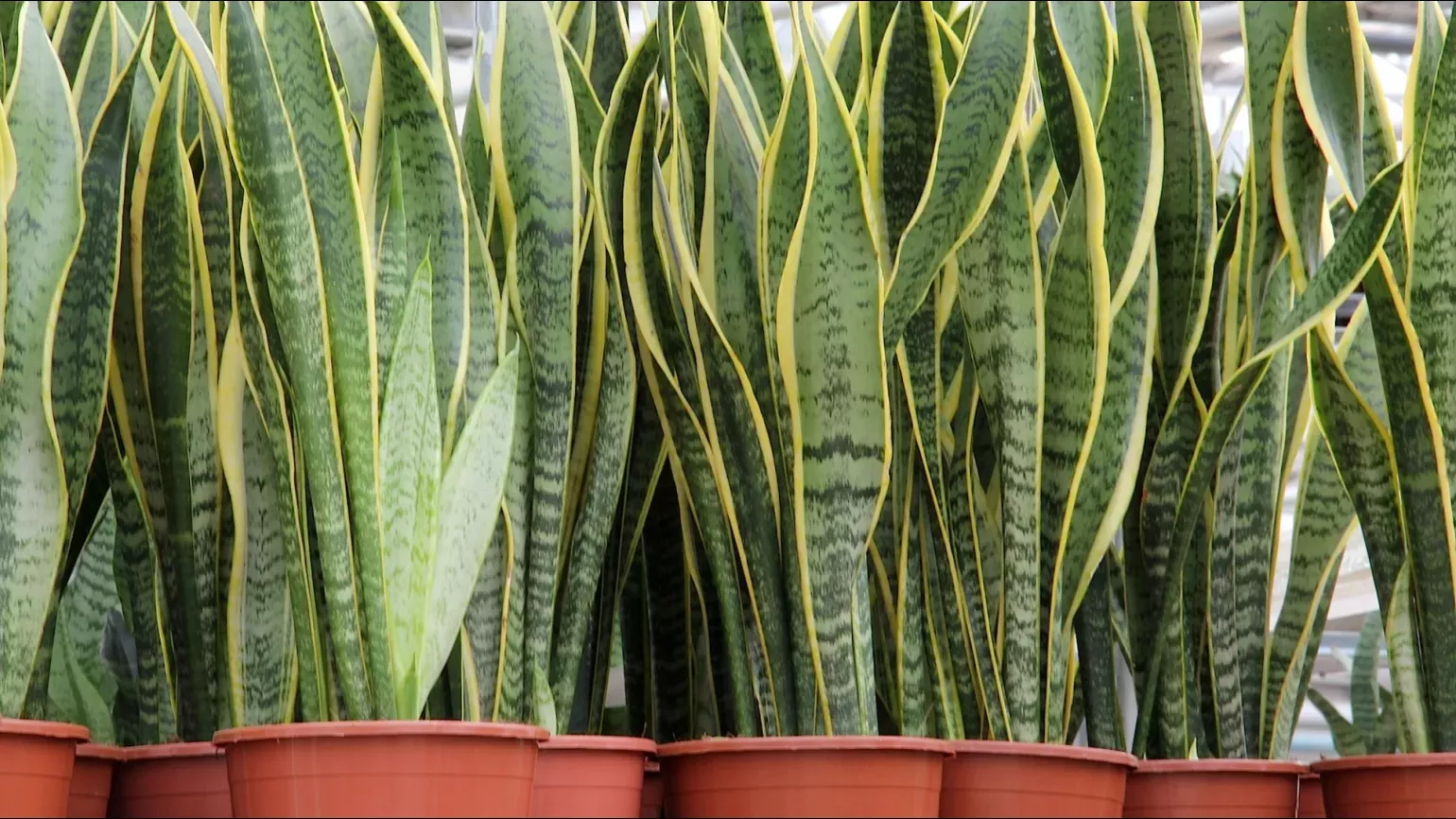
Snake Plant Light Requirements
One reason snake plants are so popular is their exceptional light tolerance, but light still directly affects growth quality.
Ideal Lighting
-
Bright, indirect light near a window
-
East- or west-facing windows work well
Low-Light Conditions
Snake plants can survive in low light, making them suitable for offices or darker rooms. However:
-
Growth will slow
-
Leaves may become thinner
-
Variegated varieties may lose pattern
Direct Sunlight
Snake plants can tolerate direct sun if acclimated gradually. Sudden exposure after living indoors can scorch leaves.
If natural light is limited, grow lights are an excellent solution and can maintain strong growth year-round.

Keeping Snake Plant Leaves Clean
Although snake plants grow upright and collect less dust than trailing plants, dust still interferes with photosynthesis.
Cleaning Routine
-
Every 2–4 weeks
-
Lightly mist leaves with water
-
Wipe gently using a microfiber cloth
-
Dry leaves completely
This is also the perfect time to:
-
Inspect for pests
-
Check leaf health
-
Observe growth patterns

Snake Plant Fertilizer: Less Is More
Snake plants do not need frequent feeding.
When to Fertilize
-
Spring and summer only
-
Once per month
What to Use
-
Balanced houseplant fertilizer
-
Includes nitrogen, phosphorus, potassium, and micronutrients
How to Apply
-
Always water the plant first
-
Apply diluted fertilizer after watering
-
Never fertilize dry soil
Over-fertilization is a common cause of yellow leaves and root damage.
Snake Plant Watering: The Most Critical Skill
Improper watering is the number one reason snake plants die.
Key Rule
Water only when the soil is 100% dry.
Not “mostly dry.” Not “dry on top.” Completely dry.
Why Overwatering Is Dangerous
Snake plants store water in their leaves. Excess moisture causes:
-
Drooping leaves
-
Mushy tissue
-
Root rot
How to Check Moisture
-
Moisture meter
-
Wooden dowel or chopstick
-
Finger test (deep into soil)
Bottom Watering Method (Recommended)
-
Place pot in a bowl of water
-
Let sit for 10–15 minutes
-
Remove and drain thoroughly
Bottom watering ensures full saturation without leaving dry pockets.

Snake Plant Repotting: When and How
Snake plants prefer snug pots, so repotting is infrequent.
How Often
-
Every 2–3 years on average
-
Bright light plants may need repotting sooner
Signs Repotting Is Needed
-
Soil remains wet too long
-
Compacted soil
-
Roots circling pot or emerging from drainage holes
-
Pot bulging outward
Choosing the Right Pot Size
-
Increase diameter by only 1–2 inches
-
Larger jumps trap excess moisture and cause root rot
The Best Soil Mix for Snake Plants
Drainage and oxygen are critical.
Recommended Mix
-
Coco coir or peat for moisture retention
-
Pine bark, perlite, and sand for drainage
Avoid dense, pure compost. Snake plant roots require airflow.
Repotting Step by Step
-
Water plant 2–3 days before repotting
-
Prepare fresh soil mix
-
Add soil to new pot so root ball sits just below rim
-
Remove plant and gently loosen roots if compacted
-
Center plant and backfill soil
-
Lightly firm soil
-
Water if mix is dry
-
Resume normal watering routine only when soil dries completely
Common Snake Plant Care Mistakes to Avoid
-
Watering on a schedule
-
Using oversized pots
-
Over-fertilizing
-
Keeping plants in windowless rooms
-
Ignoring soil drainage
-
Repotting too frequently
Avoiding these mistakes is often enough to keep snake plants healthy for years.O
Frequently Asked Questions (FAQ)
How often should I water a snake plant?
Only when the soil is completely dry. This may be every 4–8 weeks depending on environment.
Can snake plants survive low light?
Yes, but growth will slow and leaves may thin.
Should snake plants be misted?
No. Misting is unnecessary and may increase disease risk.
Do snake plants like being root bound?
Yes. Slightly snug roots promote stability and healthy growth.
Why Learn Snake Plant Care from DH Garden Centre?
At DH Garden Centre, we focus on:
-
Long-term plant health
-
Sustainable indoor gardening
-
Practical advice backed by experience
-
Helping customers succeed, not just sell plants
Our goal is not to make plants look good for a month, but to help them thrive for years.
Looking to improve your snake plant care?
Visit DH Garden Centre for:
-
Proper soil mixes
-
Grow lights
-
Moisture meters
-
Balanced fertilizers
-
Expert guidance tailored to your space
Healthy snake plants start with informed care.

Whether you’re shopping for plant lovers, hunting for meaningful plants, or simply looking to add a touch of green to your own holiday décor, DH Garden Centre has everything you need for a joyful, vibrant, and beautifully green Christmas.
Visit DH Garden Centre today: where the holidays grow brighter, one plant at a time.
