
Stop squirrels from destroying your spring bulbs with proven methods used by experts at a Vancouver garden centre. Practical, wildlife-safe solutions that work.
Why Squirrels Always Find Your Bulbs First
You plant your bulbs carefully. You water them in. You imagine spring colour already.
Then you come back the next morning and see holes. Loose soil. Bulbs gone.
At DH Garden Centre, this is one of the most common frustrations we hear every fall. And the reason squirrels seem so good at finding fresh bulb beds is simple: we accidentally make it easy for them.
Squirrels are not targeting your garden out of spite. They are responding to scent, soil texture, and opportunity. Understanding that behaviour is the difference between fighting squirrels every year and preventing the problem entirely.
This guide explains why squirrels dig and the five proven methods that actually stop them in Vancouver and the Lower Mainland.
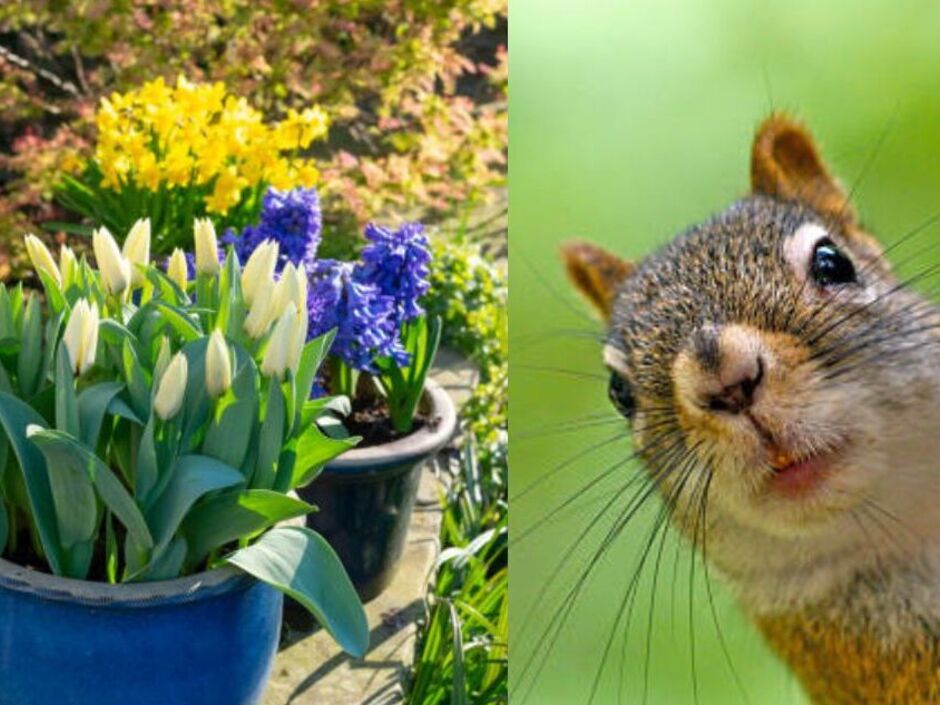
Why Squirrels Dig Up Bulbs in the First Place
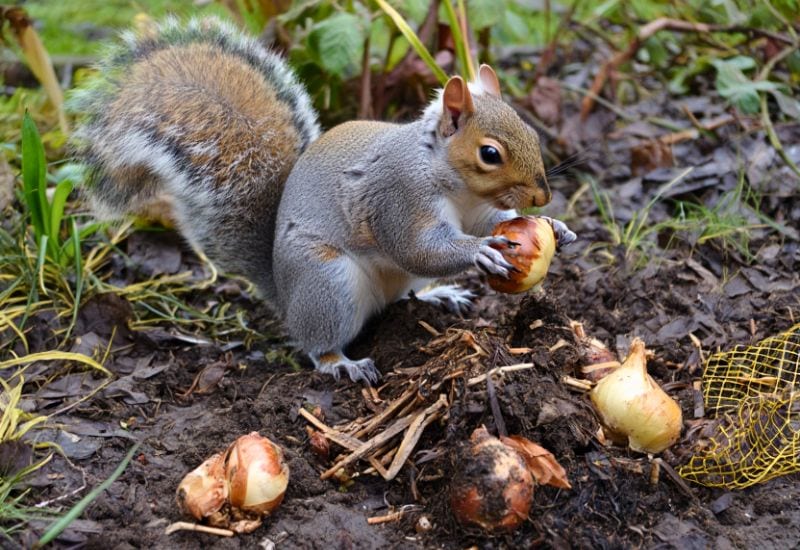
Squirrels dig for one reason: food storage.
In fall and early winter, they cache anything that looks like:
-
A nut
-
A seed
-
A starchy bulb
Freshly planted bulbs check every box. The soil is loose, smells disturbed, and often contains tulips or crocus which squirrels consider prime food.
Bulbs most commonly targeted:
-
Tulips
-
Crocus
-
Hyacinths
Bulbs usually left alone:
-
Daffodils
-
Fritillaria
-
Alliums
Once you understand this pattern, prevention becomes straightforward.
Method 1: Plant Deeper and Lock the Soil In
Depth matters more than most gardeners realize.
Instead of the standard 4–6 inches, plant bulbs 8–10 inches deep where soil conditions allow. That extra depth:
-
Makes digging less rewarding
-
Gives bulbs better root stability
-
Reduces scent release
After planting, water thoroughly. Moist soil compacts and removes the fluffy texture squirrels love.
At our Vancouver garden centre, we often recommend watering the bed the day before planting as well. Settled soil is far less attractive to digging.
Method 2: Use Physical Barriers (The Most Reliable Fix)
If squirrels are persistent, barriers are non-negotiable.
Best barrier options:
-
Chicken wire
-
Hardware cloth (½-inch mesh)
-
Bulb cages
Lay the mesh directly over the planting area before backfilling. Cut holes where shoots will emerge. Once roots establish, squirrels lose interest entirely.
For containers, wrap the inside of pots with mesh or use pre-made bulb cages. This is a one-time installation that protects bulbs for years.
At DH Garden Centre, this is our top recommendation for high-pressure squirrel zones.
Method 3: Spicy Deterrents (Short-Term but Useful)
Capsaicin-based deterrents work by irritating a squirrel’s nose, not harming them.
Options include:
-
Cayenne pepper sprinkled on soil
-
Homemade chili spray (water + hot sauce)
-
Commercial repellents
These work best:
-
Immediately after planting
-
In dry weather
-
As a temporary layer of defense
They must be reapplied after rain. In Vancouver’s climate, this makes them a supporting tactic, not a standalone solution.
Method 4: Choose Bulbs Squirrels Avoid (This Is Huge)
One of the smartest strategies is plant selection.
Bulbs squirrels reliably avoid:
-
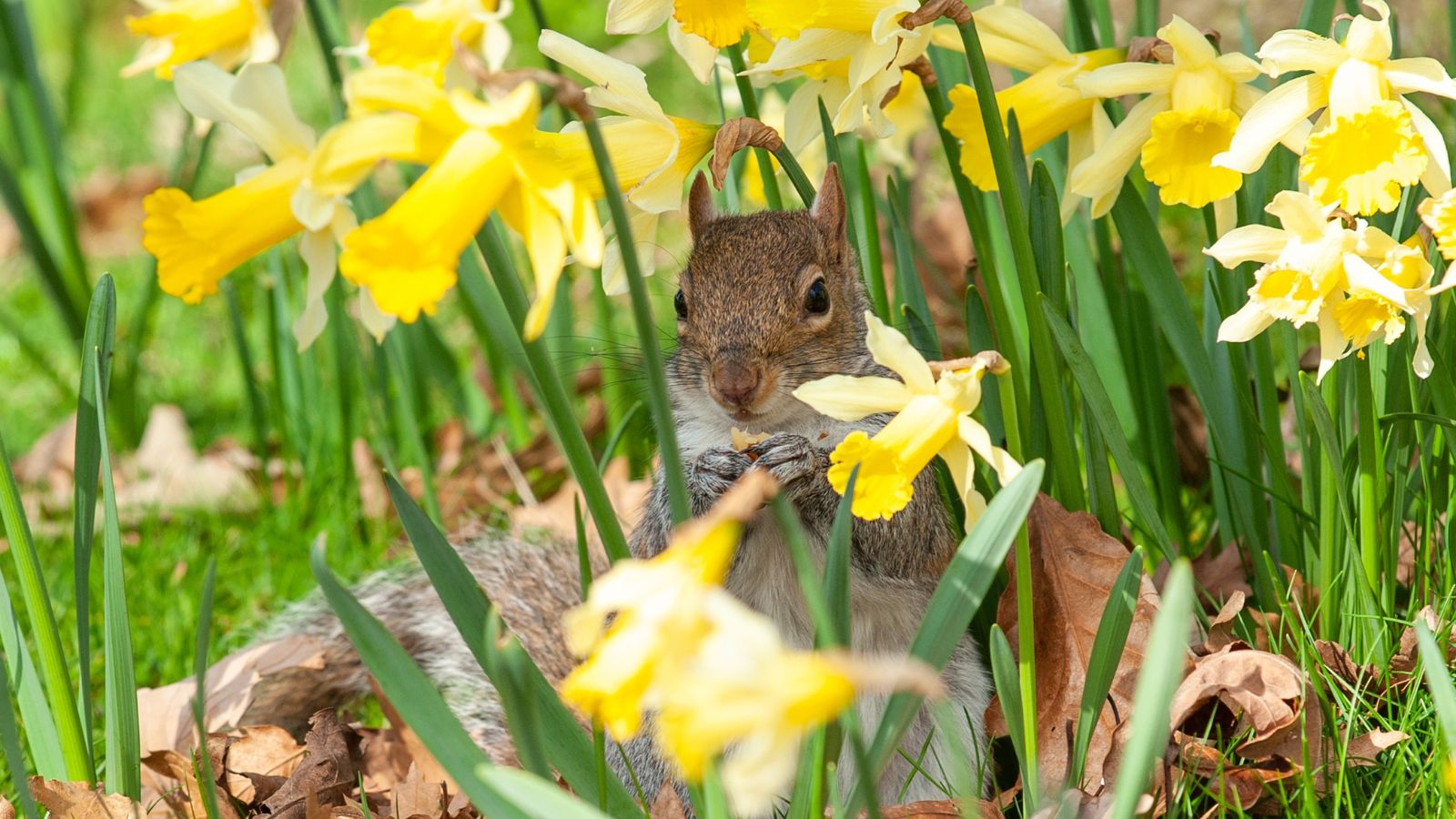
Daffodils (Narcissus) – toxic, bitter
-
Fritillaria – strong scent
-
Alliums – onion family
-
Snowdrops
At our garden centre in Vancouver, we often suggest layering:
-
Plant daffodils or fritillaria above tulips
-
Or around the perimeter of beds
Squirrels dig once, dislike what they find, and stop digging altogether.
This is prevention through biology, not force.
Method 5: Companion Planting to Mask Scent
Squirrels rely heavily on smell. Mask it, and they lose interest.
Effective companion plants include:
-
Garlic
-
Onions
-
Lavender
-
Marigolds
Plant these around bulb beds to confuse scent trails. This method works best when combined with depth and soil compaction.
What Does NOT Work Long-Term
We see these fail repeatedly:
-
Ultrasonic devices
-
Mothballs
-
Soap bars
-
Coffee grounds alone
They either wash away, stop working, or simply do not affect squirrel behaviour.
A Vancouver-Specific Reality Check
In the Lower Mainland, squirrels are active all winter. That means:
-
Fall planting protection matters more
-
Moist soil attracts more digging
-
Barriers outperform sprays
This is why Vancouver garden centre advice often differs from dry-climate gardening blogs.
Expert Strategy Summary (Use This and Be Done)
The most reliable system is layered:
-
Plant deeper than standard
-
Water to compact soil
-
Use mesh where pressure is high
-
Choose squirrel-resistant bulbs
-
Avoid gimmicks
This approach is what we recommend daily at DH Garden Centre because it works season after season.
FAQ: Stopping Squirrels from Digging Up Bulbs
Do squirrels come back after one season?
If the bed proves unrewarding, no.
Will barriers stop bulb growth?
No. Shoots grow through mesh openings easily.
Are repellents safe for pets?
Most commercial repellents are pet-safe when used correctly.
Is it better to plant in containers?
Only if containers are protected with mesh.
Final Thoughts: Prevention Beats Repair
Squirrels are not clever villains. They are efficient foragers.
Once you stop advertising your bulb beds with loose soil and edible targets, they move on. The gardeners who succeed are the ones who design for wildlife behaviour instead of fighting it.
That is how spring colour survives winter.
If squirrels have destroyed your bulbs before, visit DH Garden Centre, a trusted garden centre in Vancouver, for proven bulb selections, mesh solutions, and local advice that actually works in our climate.
Spring success starts in fall.

Whether you’re shopping for plant lovers, hunting for meaningful plants, or simply looking to add a touch of green to your own holiday décor, DH Garden Centre has everything you need for a joyful, vibrant, and beautifully green Christmas.
Visit DH Garden Centre today: where the holidays grow brighter, one plant at a time.
