
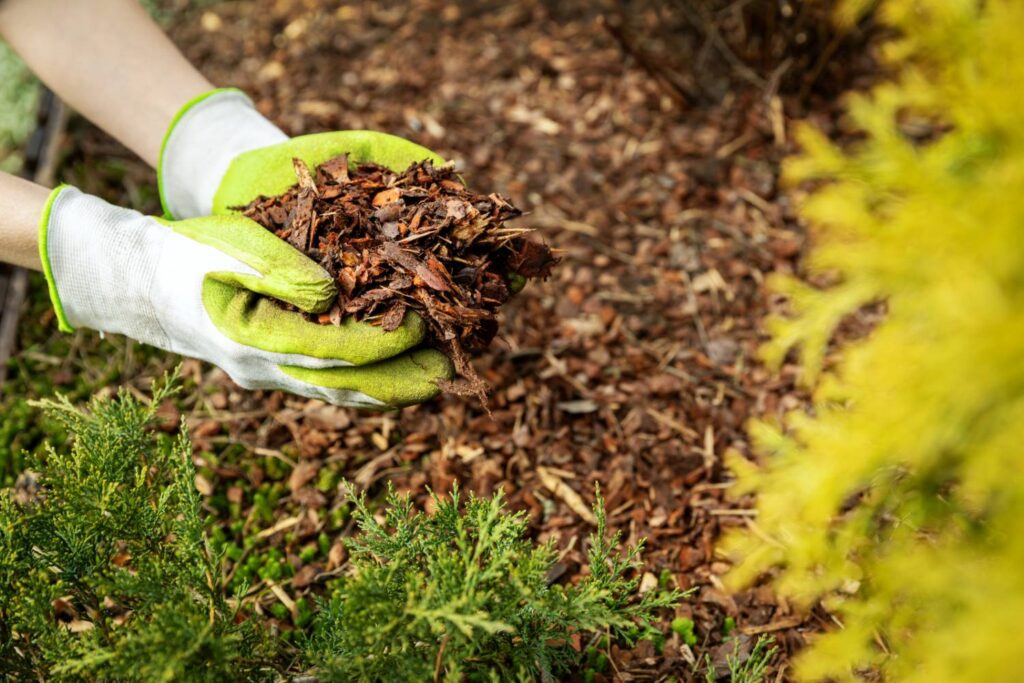
Discover how to improve soil health before winter with compost, manure, wood chips, and cover crops. A full guide for healthier gardens and stronger spring growth.
Most gardeners think of winter as a quiet season everything slows down, plants rest, and garden beds sit empty waiting for spring. But the truth is completely different. Winter is one of the most powerful windows of opportunity to build soil health, repair soil structure, increase organic matter, and prepare your entire garden for a strong and productive growing season next year.
Healthy soil is the foundation of every thriving garden. Whether you grow vegetables, perennials, fruit trees, or ornamental beds, your soil determines everything: root health, water retention, nutrient availability, and long-term garden resilience.
And the best part? Improving your soil before winter doesn’t require expensive products. Most of the work can be done with simple, organic materialsmany of which are free.
In this comprehensive guide, we’ll explore three core strategies to improve soil over winter: covering bare soil, using compost and manure, and planting cover crops. Each method strengthens your soil in a different way, and together they form the ultimate approach to year-round soil vitality.

In this comprehensive guide, we’ll explore three core strategies to improve soil over winter: covering bare soil, using compost and manure, and planting cover crops
1. Why Soil Improvement Should Begin Before Winter
Before we dive into techniques, it’s important to understand why winter is such an ideal time to improve soil.
In nature, soil is never bare. Forest floors, meadows, and riverbanks are always protected by leaves, organic debris, roots, or living plants. Bare soil erodes rapidly under rain, snow, and wind, losing precious nutrients and structure.
When gardeners leave soil exposed during winter, they risk:
• nutrient leaching
• compaction
• erosion
• loss of organic matter
• increased weed pressure in spring
By contrast, preparing soil before winter helps gardens recover naturally and sets up a rich nutrient cycle that continues underground while everything aboveground rests.
2. Keep Soil Covered: The First Rule of Winter Protection
If you remember only one thing from this guide, let it be this:
Bare soil is unhealthy soil.
When soil is exposed, rain and melting snow break down soil aggregates and wash away nutrients. Winter winds erode the top layer, leaving behind compacted, lifeless earth. But when the soil is kept covered, it stays protected, moist, and biologically active.
Why Covering Soil Matters
• prevents erosion
• limits weed germination
• maintains soil moisture
• protects microbial life
• creates natural slow-release fertilizer as materials break down
Organic materials like compost, leaves, or straw act like a winter blanket for your garden beds.

Easy, Affordable Ways to Cover Soil
Unlike commercial soil additives, natural mulches are inexpensive or free.
Examples of effective soil covers:
• leaves
• straw
• compost
• grass clippings
• hay
• wood chips (for trees and perennials)
By simply spreading a 2-3 inch layer of organic material over your garden beds, you give your soil protection, warmth, and nourishment throughout the winter months.
3. Building Soil With Compost and Manure (Nature’s Best Fertilizers)
Compost: The Garden’s Black Gold
Compost improves every aspect of soil structure:
• boosts microbial activity
• increases water retention
• improves drainage
• adds organic matter
• provides slow-release nutrients
The beauty of compost is that it’s often completely free. Everything from kitchen scraps to cardboard can be composted. You’re transforming waste into a powerful soil amendment that feeds your garden all year long.

What You Can Compost
• vegetable scraps
• fruit peels
• coffee grounds
• cardboard
• leaves
• grass clippings
• wood chips
• straw
• plant trimmings
Mixing these materials creates a vibrant compost full of nutrients and beneficial microbes.
Manure: Rich in Nutrients (But Handle With Care)
Manure is another excellent winter amendment—if the source is trustworthy.

Healthy manure:
• adds nitrogen, potassium, and phosphorus
• increases organic matter
• improves soil structure
• feeds soil organisms
However, some manure contains persistent herbicides such as Aminopyralid, which survive digestion in horses or cows. These chemicals can damage your garden plants even months later. That’s why sourcing manure from a reliable farm is essential.
How to Use Manure Safely
• Apply 1 inch (3 cm) of manure on top of your soil in winter.
• Let worms and microbes work it into the soil naturally.
• If the manure is fresh, age it for 9–12 months before applying.
In winter, a thin layer protects soil from erosion and provides a steady nutrient supply.
4. Compost Trenches: A Hidden Well of Fertility
If you grow hungry crops like:
• squash
• pumpkins
• beans
• cucumbers
then compost trenches are one of the most efficient and cost-free ways to build fertility right where your plants need it most.
How Compost Trenches Work
You dig a pit or trench, fill it with kitchen scraps, and cover it with soil. Over winter, the buried organic matter decomposes slowly, creating a nutrient-rich pocket beneath the soil surface. When spring arrives, you plant directly above it.
This method:
• improves water retention
• enriches the root zone
• encourages deep root growth
• feeds plants slowly through the season
It’s an incredible technique for maximizing garden yields without purchasing fertilizers.

5. Using Wood Chips & Leaves to Enrich Soil Naturally
Organic materials that haven’t fully decomposed – like wood chips, leaves, hay, or grass clippings – are extremely useful for winter soil building.
Wood Chips for Trees and Perennials
Wood chips:
• suppress weeds
• break down slowly
• improve moisture retention
• foster fungal networks
• enrich the soil over time
They’re ideal for:
• fruit trees
• berries
• shrubs
• perennial borders
Many gardeners fear nitrogen depletion when using wood chips. But left on the surface, they do not rob nitrogen from your soil. The myth only applies if wood chips are mixed into the soil.
Leaves: The Most Overlooked Free Resource
Leaves mimic forest floors and create dark, crumbly soil similar to natural leaf mold. They’re perfect for vegetable beds and perennial areas.
Simply spread leaves or leaf mold across your soil to protect it through winter.
6. Cover Crops (Green Manures): Nature’s Living Soil Builders
Cover crops – also called green manures – are plants grown not for harvesting but for improving soil health.
What Cover Crops Do
• protect soil from erosion
• improve soil structure
• increase organic matter
• suppress weeds
• feed beneficial microbes
• add nutrients, especially nitrogen

One of the most effective winter cover crops is field beans, a hardy member of the same family as broad beans.
Why Field Beans Are Perfect for Late Fall Sowing
• extremely cold-tolerant
• germinate quickly
• build soil structure
• fix nitrogen into the soil
But to benefit from nitrogen fixation, you must cut them down before flowering. If they flower and produce pods, they use the nitrogen themselves. When cut at the right time, they release nutrients back into the soil as they decompose.
This natural cycle creates soil that is rich, fluffy, and biologically active.
7. Your Winter Soil Care Routine: Putting It All Together
A healthy winter soil-building routine looks like this:
-
Never leave soil bare.
-
Add compost or manure on top for slow-release winter feeding.
-
Use wood chips or leaves to protect soil structure.
-
Plant cover crops if timing allows.
-
Allow worms, microbes, and winter weather to do the work for you.
You’re not digging, tilling, or disturbing the soil—just feeding it and letting nature do the rest.
8. Why Winter Soil Building Is a Game-Changer
Healthy soil leads to:
• stronger roots
• fewer pests and diseases
• higher yields
• better water retention
• easier planting in spring
• more resilient gardens
Investing just a little effort now pays off in exponential results when the growing season begins.
Ready to build your healthiest soil ever?
Start today: before winter sets in. Gather leaves, compost your kitchen scraps, spread manure, or sow a hardy cover crop. Your garden will thank you with lush growth, vibrant health, and abundant harvests next spring.
Need professional help, gardening supplies, or local soil-building resources?
Reach out anytime – we’re here to support your best garden yet.
FAQs
1. Can I improve soil if it’s already winter?
Absolutely. Even late in the season, mulches and compost still protect and enhance soil health.
2. Do compost trenches attract pests?
Not if you bury the scraps well and cover them completely.
3. Are wood chips safe for vegetable beds?
Yes. Spread them on the surface and avoid mixing them into the soil.
4. Can I sow cover crops after the first frost?
Most cannot germinate that late, but hardy crops like field beans often can if soil is not frozen.
5. How thick should my compost or manure layer be?
A 1–3 inch layer is enough to protect soil and feed it slowly.

Whether you’re shopping for plant lovers, hunting for meaningful plants, or simply looking to add a touch of green to your own holiday décor, DH Garden Centre has everything you need for a joyful, vibrant, and beautifully green Christmas.
Visit DH Garden Centre today: where the holidays grow brighter, one plant at a time.
