
Struggling with houseplants dying after repotting? Learn the real reasons behind repot shock, soil mistakes, pot size errors, and light issues from experts at DH Garden Centre.
Introduction: When Caring Too Much Becomes the Problem
There is a painful irony in houseplant care.
The moment we decide to “do everything right” is often the moment our plants begin to decline.
At DH Garden Centre, one of the most common questions we hear is why houseplants keep dying after repotting. The plant looked healthy. The soil was fresh. The pot was new. And yet, within weeks, leaves yellow, growth stalls, and roots begin to fail.
The uncomfortable truth is this: desperately wanting your houseplants to thrive is often the very thing that harms them.
Repotting is one of the most stressful events in a plant’s life. When done at the wrong time or in the wrong way, it can accelerate problems that were already present. This guide explains why houseplants die after repotting, and how to prevent it with a calmer, more strategic approach.

Mistake #1: Repotting Too Soon After Bringing a Plant Home
Most houseplants begin their journey in controlled greenhouse environments. Temperature, humidity, light, and airflow are optimized to perfection.
Then everything changes.
Plants are shipped, displayed under retail lighting, transported again, and finally placed into your home. Even the brightest window cannot replicate greenhouse conditions.
When you repot immediately, you are stacking stress on top of stress.
Why Time Matters More Than Space
New houseplants need time to acclimate before their roots are disturbed. Repotting interrupts root function, reduces water uptake, and forces the plant to redirect energy toward survival instead of growth.
At DH Garden Centre, we generally recommend waiting two to three months before repotting a new plant, unless there is an urgent issue such as severe root rot or pest infestation.
This adjustment period allows:
-
Environmental stabilization
-
Early detection of pests or fungal issues
-
Observation of healthy new growth
Healthy growth is the signal, not the calendar.

Mistake #2: Guessing When Roots Are Ready
One of the most common repotting houseplants mistakes is assuming a plant needs a larger pot without checking the roots.
Photos do not reveal root health. Advice forums cannot see underground. Unless you have X-ray vision, guessing leads to problems.
What Healthy Roots Should Look Like
Before repotting, gently remove the plant from its pot. You are looking for roots that occupy most of the space without circling excessively or becoming compacted.
As a general rule:
-
80% root fill is ideal for standard potting soil
-
60–70% root fill may be acceptable for very chunky, well-aerated mixes
Upsizing before roots are ready creates excess moisture retention and oxygen deprivation, two of the fastest paths to repot shock in plants.
Mistake #3: Using the Wrong Pot Size
Bigger is not better when it comes to houseplant pots.
Excess soil holds excess moisture. Excess moisture reduces oxygen. And roots cannot survive without oxygen.
This is why houseplants dying after repotting is so often linked to oversized containers.
Why Outdoor Logic Does Not Apply Indoors
A common argument is that plants grow in large volumes of soil outdoors, so pot size should not matter indoors. This ignores a critical difference.
Outdoor soil ecosystems contain:
-
Beneficial fungi
-
Insects and decomposers
-
Diverse microbial life
Indoor pots lack this biological support system. Without it, roots suffocate more easily.
For indoor plants, gradual pot size increases are safer and more sustainable.

Mistake #4: Ignoring the Original Soil Medium
Many houseplants arrive in unfamiliar growing media such as coco coir or peat-free blends. These materials perform exceptionally well in greenhouses but behave differently in homes.
The Danger of Mixing Incompatible Soils
When repotting, many plant owners surround the original medium with standard peat-based potting soil. The result is uneven moisture distribution.
The outer soil dries faster.
The inner core stays wet longer.
A finger test may say “dry,” while roots remain submerged in moisture. This imbalance is a major contributor to indoor plant root rot.
Matching or gradually transitioning soil types helps prevent this issue.
Mistake #5: Choosing the Wrong Pot Material
Not all pots behave the same way.
-
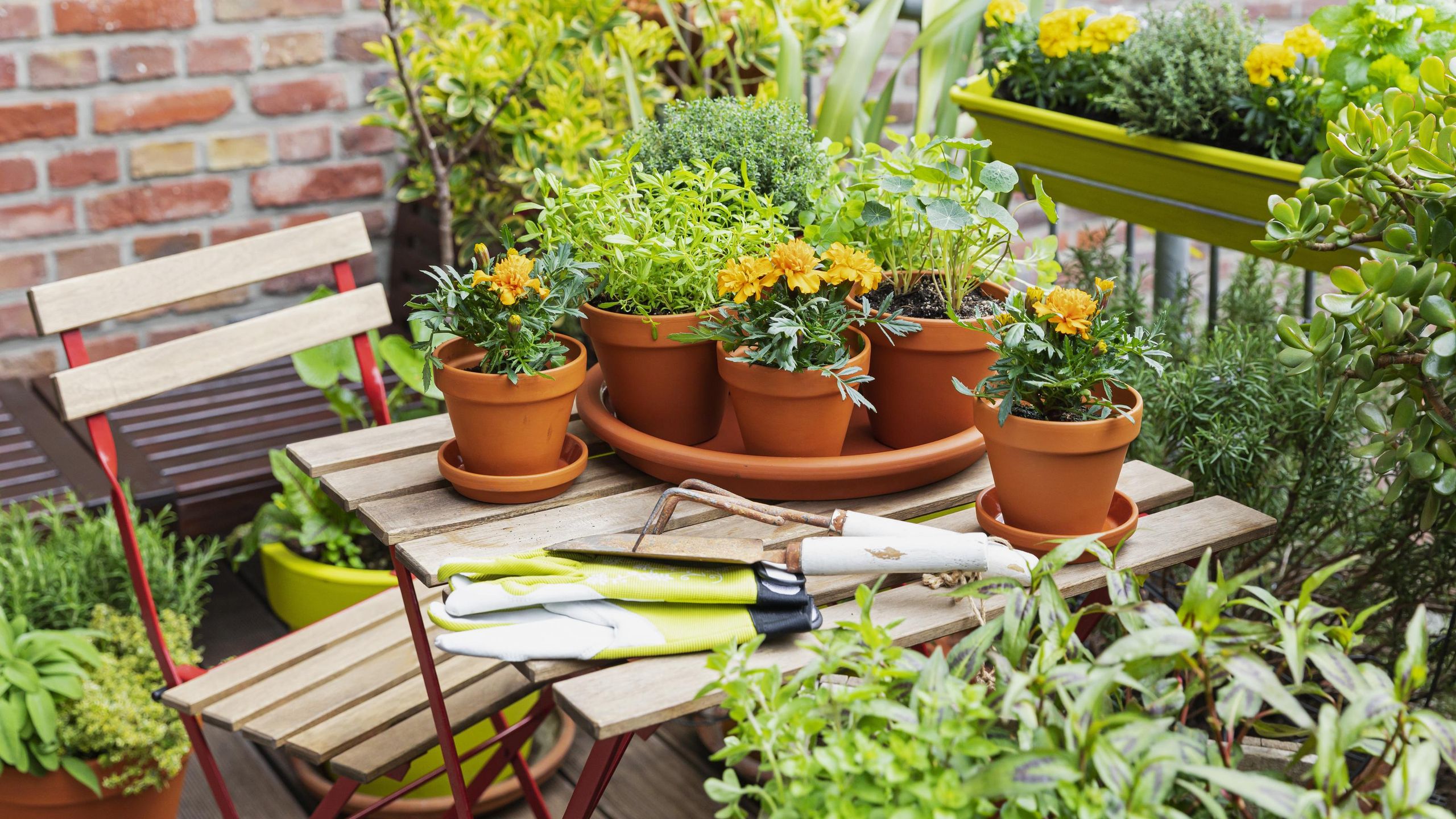
Terracotta pots allow moisture to evaporate and increase airflow
-
Plastic pots retain water but are lightweight and reusable
-
Clear orchid pots allow visual root monitoring and improved oxygen exchange
At DH Garden Centre, clear or slotted plastic pots are often recommended for growers who want to better understand their root systems, especially when experimenting with new soil mixes.
The best pot is the one that supports your watering habits and environment.
Mistake #6: Soil That Does Not Match Your Care Style
Soil is not universal. The best potting soil for houseplants is the one that aligns with your watering frequency, light levels, and humidity.
Highly aerated mixes dry quickly and suit frequent watering. More moisture-retentive mixes suit hands-off care but require careful pot sizing.
Custom soil blends using materials like orchid bark, perlite, horticultural charcoal, and coco chips allow gardeners to fine-tune conditions instead of relying on generic bagged soil.
Mistake #7: Underestimating the Role of Light
Light is the single most powerful factor in recovery after repotting.
Many plants that “die from repotting” were already declining due to insufficient light. The repotting process simply accelerates the inevitable.
Why Bright Indirect Light Is Often Misunderstood
The phrase “bright indirect light” causes many plant owners to move plants farther from windows. In reality, most homes do not have enough natural light to cause damage.
Gradually increasing light exposure helps plants:
-
Recover faster from root disturbance
-
Dry soil evenly
-
Resist fungal and bacterial issues
More light often compensates for minor repotting mistakes.
How to Repot Houseplants Successfully
To reduce repot shock and improve long-term health:
-
Wait until roots justify repotting
-
Choose a pot only one size larger
-
Use soil appropriate for your environment
-
Match watering habits to soil structure
-
Increase light gradually after repotting
Repotting is not a rescue technique. It is a maintenance step.
FAQ: Houseplants Dying After Repotting
How long does repot shock last?
Typically two to four weeks, depending on light, soil, and root health.
Should I fertilize after repotting?
No. Wait until new growth appears.
Can I repot during winter?
Only if necessary. Growth slows in low light and cold conditions.
Do all plants need repotting regularly?
No. Many houseplants prefer being slightly root-bound.
Final Thoughts From DH Garden Centre
Repotting should not feel urgent.
Healthy houseplant care is built on patience, observation, and restraint.
When plants fail after repotting, the issue is rarely effort. It is timing, environment, and assumptions.
At DH Garden Centre, we believe successful gardeners are not those who act fastest, but those who understand when not to act.
Need help choosing the right soil, pot, or repotting strategy for your home?
Visit DH Garden Centre for expert advice, quality potting materials, and practical guidance that helps your plants survive and thrive.
