
Preparing a garden for winter isn’t just about surviving the cold. It’s about setting the stage for a thriving, abundant garden next spring. Veteran gardeners know this well: the best gardens of June and July are built in the quiet, chilly months of November through January. Winterizing is what separates a garden that merely survives from a garden that leaps into spring with vigor.
After years of helping gardeners protect raised beds, fruit trees, perennials, herbs, and container crops through harsh climates, these are the 7 essential winterizing steps every home gardener should master. Each tip is rooted in real practice, not theory, so you can apply them right away for stronger soil, healthier plants, and a smoother start in spring.
1. Prep Your Raised Beds for Winter (Finished Beds vs. Active Beds)
One of the most important tasks of fall and early winter is preparing raised beds. Gardeners often fall into two groups:
• beds that are finished for the season
• beds that will continue producing through winter
Each requires a different strategy.

A. Winterizing Raised Beds That Are Done for the Season
Start by clearing out the garden bed properly. This step prevents disease, improves soil health, and primes the space for early spring planting.
Remove pest-infected plants
Any plant showing signs of disease or insect damage must go into the trash, not the compost. Disease spreads easily through improperly composted plant matter.
Remove remaining healthy plants
Healthy decaying material can go straight into your compost bin. When pulling plants, shake off excess soil to keep as much fertility in the bed as possible.
Add compost
Spread 2-4 inches of high-quality compost across the entire bed. Winter rain and snow will slowly wash nutrients deeper into the soil profile, rebuilding fertility.
Add protective mulch
Mulch keeps soil structure intact, protects beneficial microbes, suppresses weeds, and shields the soil from freeze-thaw cycles.
The two best mulches for winter beds:
• Leaves (light, easy to remove in spring)
• Wood chips (excellent insulation, slower to break down)
If no mulch is available, cover the bed with cardboard or an old rug to block weeds and prevent erosion.
This final layer ensures your raised bed rests, rebuilds, and recharges all winter long.
B. Winterizing Raised Beds You Plan to Grow In
For beds hosting winter crops like spinach, kale, carrots, lettuce, and brassicas, insulation and protection are key.
Mulch the soil heavily
Wood chips provide the best insulation, stabilizing soil temperature and protecting roots from sudden cold snaps.
Use row cover during cold nights
Row covers retain warmth, shield tender leaves from frost, and help stabilize humidity.
Switch to plastic when winter becomes severe
Two layers of plastic over hoops can increase your microclimate by up to three growing zones, transforming a zone 7 garden into a zone 10 environment. This creates an ideal refuge for winter crops.
However, ventilation is critical.
On sunny mornings, lift the plastic to prevent overheating and reduce humidity that can lead to mold or leggy growth. This daily rhythm, open, vent, close, is what keeps winter crops healthy.
2. Harvest Tender Vegetables Before Frost
Warm-season crops like tomatoes, peppers, cucumbers, basil, and eggplant cannot survive frost. Even a single cold night can destroy an entire season’s worth of fruit.

Before temperatures drop, harvest the following:
Green tomatoes
These can be ripened indoors in a warm, dark place, or enjoyed as fried green tomatoes.
Peppers
Pick all peppers, even if still green. They do not recover after frost.
Beans and summer squash
Collect what’s left and compost the rest.
Clearing space before frost prevents rot, reduces pest harboring, and frees the bed for composting or cover crops.
3. Prepare Your Perennials Properly
Perennials survive winter, but only with the right protections.
Figs
Tie up branches, wrap the tree, and fill the enclosure with leaves for insulation. This protects the trunk and prevents winter dieback, especially in colder climates.
Strawberries
After the ground freezes, cover strawberry beds with straw or leaves. This prevents the freeze-thaw cycles that heave plants out of the soil.
Fruit Trees
Do not prune in fall.
Pruning stimulates new growth, which cannot harden off before winter and will die back.
Instead:
• Remove only dead or diseased branches
• Wait until trees enter full dormancy (mid-winter) for structural pruning
• Delay fertilizing until early spring to support new growth
Healthy perennials deliver more fruit the following season when winterized well.
4. Bring Indoors Anything You Can Save
Some plants simply can’t tolerate winter outdoors, especially in colder zones.
Herbs in pots
Herbs like basil, parsley, thyme, sage, and chives grow well indoors under bright light. A south-facing window extends their life so you can continue enjoying fresh herbs all winter.
Tender perennials like peppers
Peppers can survive winter indoors if treated like dormant houseplants. Reduce watering and keep them in a cool, bright spot. In spring, they awaken with a head start over new seedlings.
Rosemary
Rosemary often fails outdoors in cold regions. Dig it up, pot it, and overwinter indoors, then replant in spring.
Bringing plants inside preserves valuable mature roots and plant structure, which in turn speeds up next year’s growth.
5. Remove Trash, Fallen Fruit, and Disease Sources
Pest pressure builds quietly over winter unless managed properly.
Fallen fruit
Rotting fruit under trees becomes a pest hotel. Remove it and throw it in the garbage—not the compost.
Diseased leaves and stems
If the plant had mildew, wilt, rot, cankers, or bug infestation:
• Bag it
• Throw it away
• Do not compost
Compost only clean debris
Healthy, disease-free plant material enriches your compost pile and helps rebuild next year’s fertility.
Cleanliness is one of the most overlooked, yet most important steps in winter gardening.
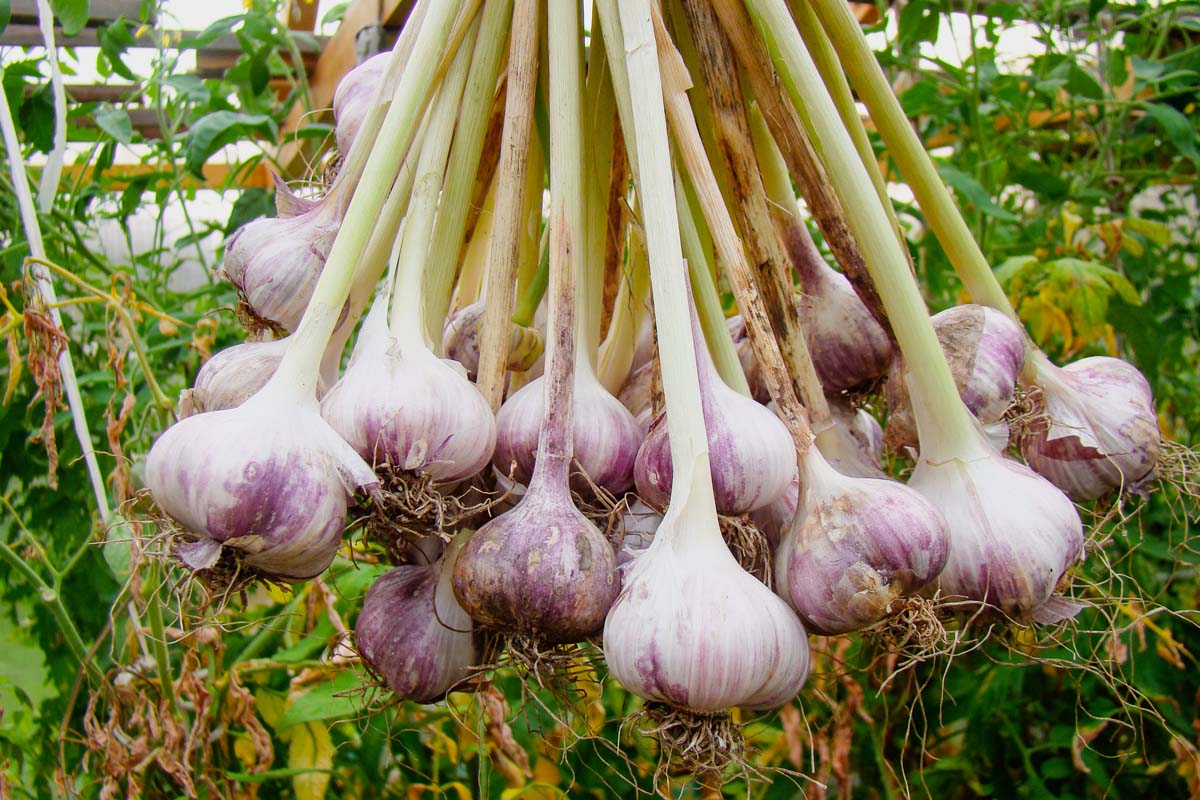
6. Plant Garlic for an Abundant Summer Harvest
Garlic thrives when planted in fall. It requires a cold period (vernalization) to form large, well-developed bulbs.
Why fall planting is essential
• Roots establish before the ground freezes
• Bulbs size up properly with winter chill
• Growth begins immediately when spring warmth arrives
Plant garlic in healthy, compost-rich soil, mulch heavily with leaves or straw, and let nature work its magic.
Garlic is one of the easiest, most rewarding winter crops.
7. Collect, Apply, and Store Mulch
Fall is the season of abundance not in fruit, but in mulch.
Leaves, wood chips, grass clippings, and other organic matter are everywhere. This is the perfect time to stockpile.
Why gather mulch now?
• Free mulch is plentiful in fall
• Organic material improves soil structure
• Mulch protects raised beds
• Stored mulch becomes invaluable in spring and summer when supply is scarce
Mulch is one of the most powerful tools in gardening. Gather it now while it’s free and abundant.
Why Winterizing Matters More Than You Think
Gardeners often mentally “check out” after their final fall harvest, but winter is the season where true garden success is forged. Winterizing:
• Protects soil structure
• Maintains microbial life
• Reduces disease pressure
• Saves time and work in spring
• Extends the life of your perennials
• Ensures your beds wake up ready, fertile, and warm
The more effort you invest in the off-season, the easier and more joyful your spring planting becomes.
A well-winterized garden is an act of long-term thinking. While your garden sleeps, you’re giving it everything it needs to wake up stronger, healthier, and more productive than ever.
Do the work now, while the air is crisp and the garden quiet. Your future self—the one harvesting armfuls of greens in May and tomatoes in July will thank you.

3742 West 10th Avenue, Vancouver, BC V6R 2G4, Canada
Whether you’re shopping for plant lovers, hunting for meaningful plants, or simply looking to add a touch of green to your own holiday décor, DH Garden Centre has everything you need for a joyful, vibrant, and beautifully green Christmas.
Visit DH Garden Centre today: where the holidays grow brighter, one plant at a time.
