
Learn the most damaging juniper bonsai beginner mistakes and how to avoid common juniper bonsai mistakes when working with nursery junipers. A complete expert guide for beginners who want to create refined, in-scale bonsai from raw nursery stock.
The Biggest Juniper Bonsai Beginner Mistakes (Expert Guide to Correcting Common Juniper Bonsai Mistakes)
Styling juniper bonsai, especially nursery junipers, is one of the clearest dividing lines between beginners and experienced bonsai artists. Many newcomers see a full, bushy commercial juniper and assume it can be wired and shaped immediately. But nursery-grown junipers almost always require structural correction, scale reduction, and branch selection before they can become convincing bonsai.
In this expert breakdown, we explore the juniper bonsai beginner mistakes most people repeat, why they happen, and how to avoid them using proper horticulture and design principles. Everything in this guide is illustrated through four real nursery junipers grown under identical conditions, making the comparison accurate and practical.
If you want to turn raw nursery stock into refined bonsai with realistic proportions and strong design structure, this is the guide you need.
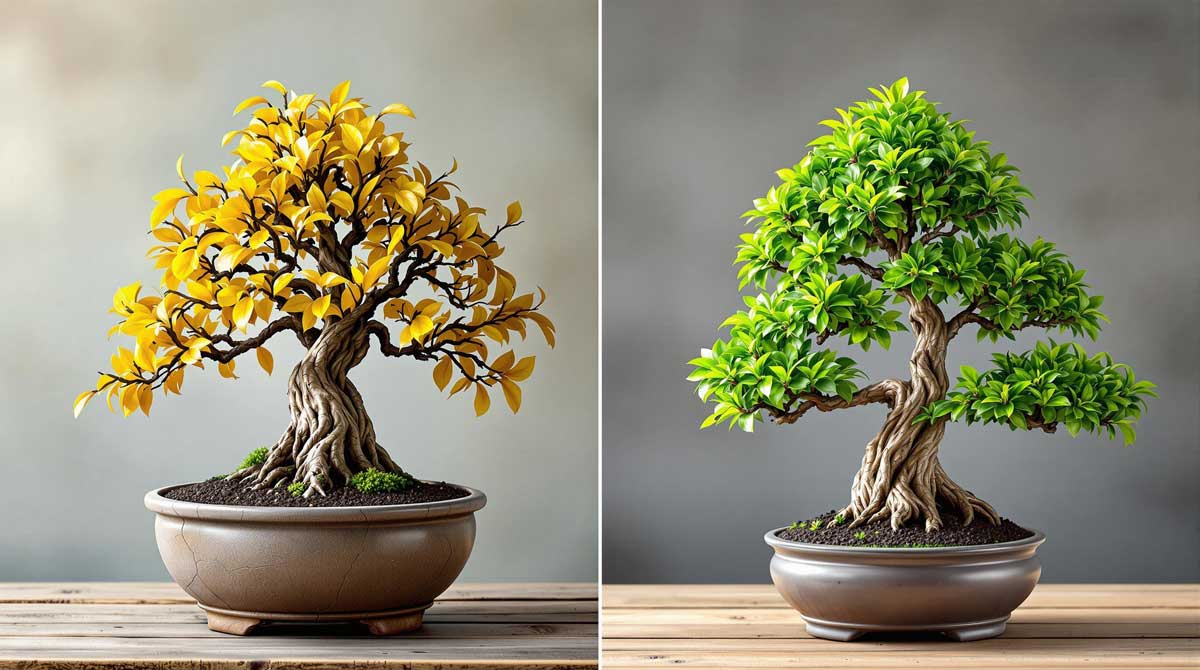
1. Misreading Nursery Junipers: The First Juniper Bonsai Beginner Mistake
One of the most common juniper bonsai mistakes is assuming that all branches present on a nursery tree are “meant to be used.” Commercial nurseries grow junipers for landscaping, not for bonsai. As a result:
• Branches are uneven
• Trunk lines are straight, untapered
• Foliage pads form randomly
• Long runners extend chaotically
Beginners often wire these existing heavy branches because they seem usable. However, rough, thick, inflexible branches do not bend, do not harmonize, and will never produce the refined silhouette of a true bonsai.
Expert insight:
Before any styling, you must thin the foliage, especially the underside of branches. This reveals:
• The true branch structure
• Hidden junctions
• Split points
• Previous cutback areas
• Bud extension patterns
Without this clarity, beginners end up designing blind.
2. Keeping Thick, Awkward Primary Branches
This is the most destructive juniper bonsai beginner mistake and the main reason beginner designs look bulky, unnatural, or unrefined.
Nursery junipers often have:
• Thick, rigid branches
• Multiple large branches emerging from the same point
• Poor taper
• Awkward exit angles
Beginners try to keep them all because the tree “feels fuller.” But in bonsai design, scale matters more than fullness.
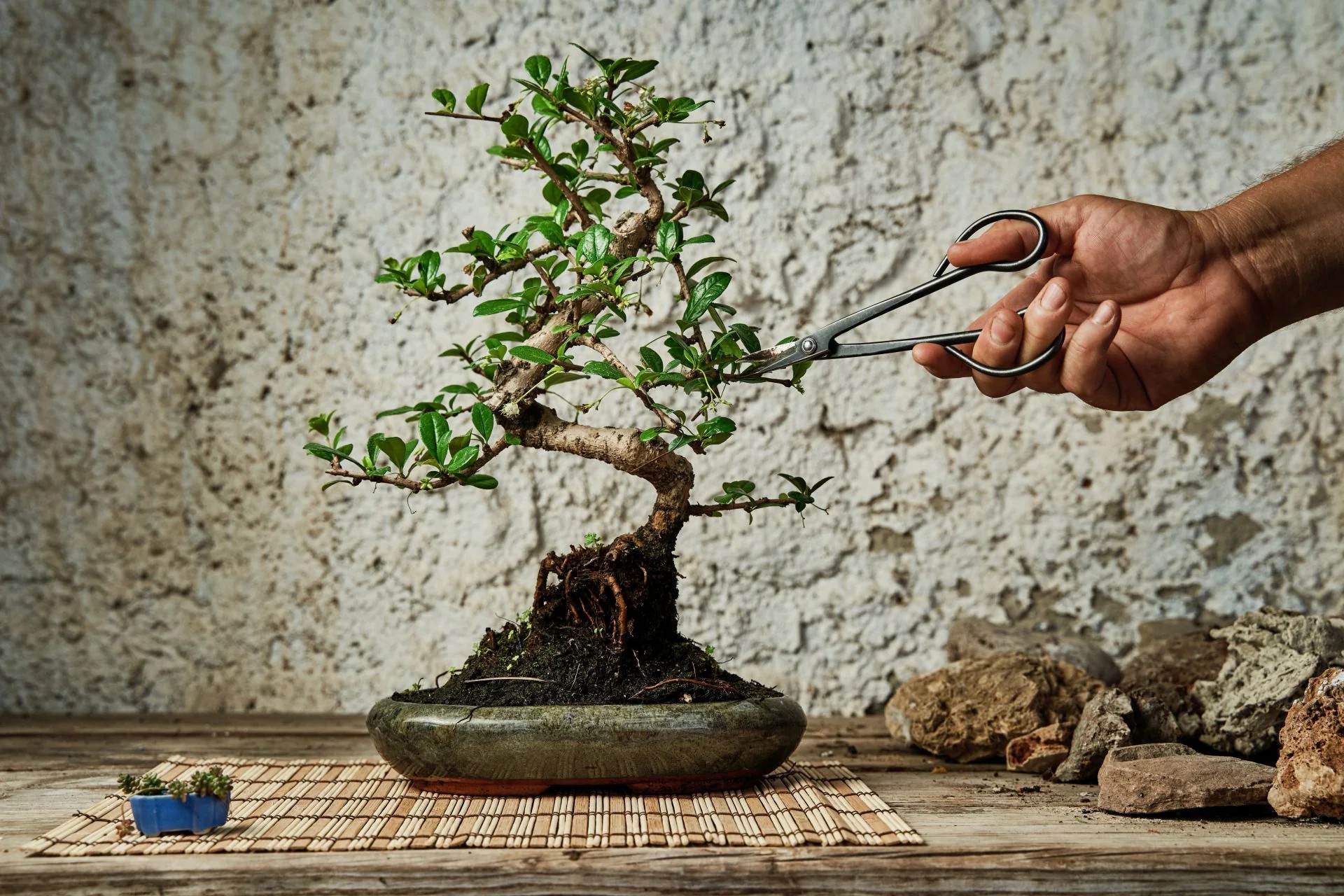
Why this is a problem:
• Large branches overpower the trunk
• The tree loses visual taper
• Angles become impossible to harmonize
• Composition becomes chaotic
• Wiring thick branches risks cracking or snapping
Correct technique:
• Remove all oversized, unbending branches
• Keep only small, fine shoots
• Build pads with young, flexible growth
• Let the trunk visually dominate
This technique instantly changes the entire character of the tree.
3. Building the Bonsai Using Large Branches Instead of Small Shoots
This is one of the most frequently overlooked common juniper bonsai mistakes. Beginners rely on the large, existing branches because they seem “ready,” but experienced artists know that the future of a bonsai lives in its smallest shoots.
When you cut back a juniper, the tree produces numerous small buds and short extensions. These:
• Bend easily
• Create compact, in-scale foliage pads
• Allow you to redesign from scratch
• Make the trunk look larger in proportion
• Enhance realism
Case comparison from the transcript:
One juniper was styled using only thick branches → bulky, unconvincing result.
A second juniper used only tiny new growth → compact, refined, believable bonsai.
Scale, not size, determines beauty in bonsai.
4. Failing to Incrementally Reduce Branch Size Over Seasons
A critical expert principle: juniper bonsai are built over multiple seasonal cycles.
Beginners often try to do everything in one day.
But the healthiest approach is incremental:
Year 1: Cut back heavy branches and encourage back-budding.
Year 2-3: Use new small shoots as primary branches.
Year 3-5: Refine pads, shorten internodes, and tighten structure.
Removing everything at once is possible (as demonstrated in the example), but not ideal for the tree’s health long-term.
Incremental work creates:
• Smaller, finer branch structure
• Healthier sap flow
• Controlled density
• Stronger foliage pads
• Longer-lived trees
5. Wiring and Styling Rough Branches Instead of Developing New Ones
A key expert rule:
If the branch doesn’t bend easily, it doesn’t belong on a bonsai.
Common beginner error:
• Wiring thick, uncooperative branches
• Forcing unnatural bends
• Causing cracks or internal damage
• Producing stiff, unrealistic shapes
Juniper bonsai require flexibility, finesse, and directional movement. Rough branches lack these qualities and ruin the overall composition.
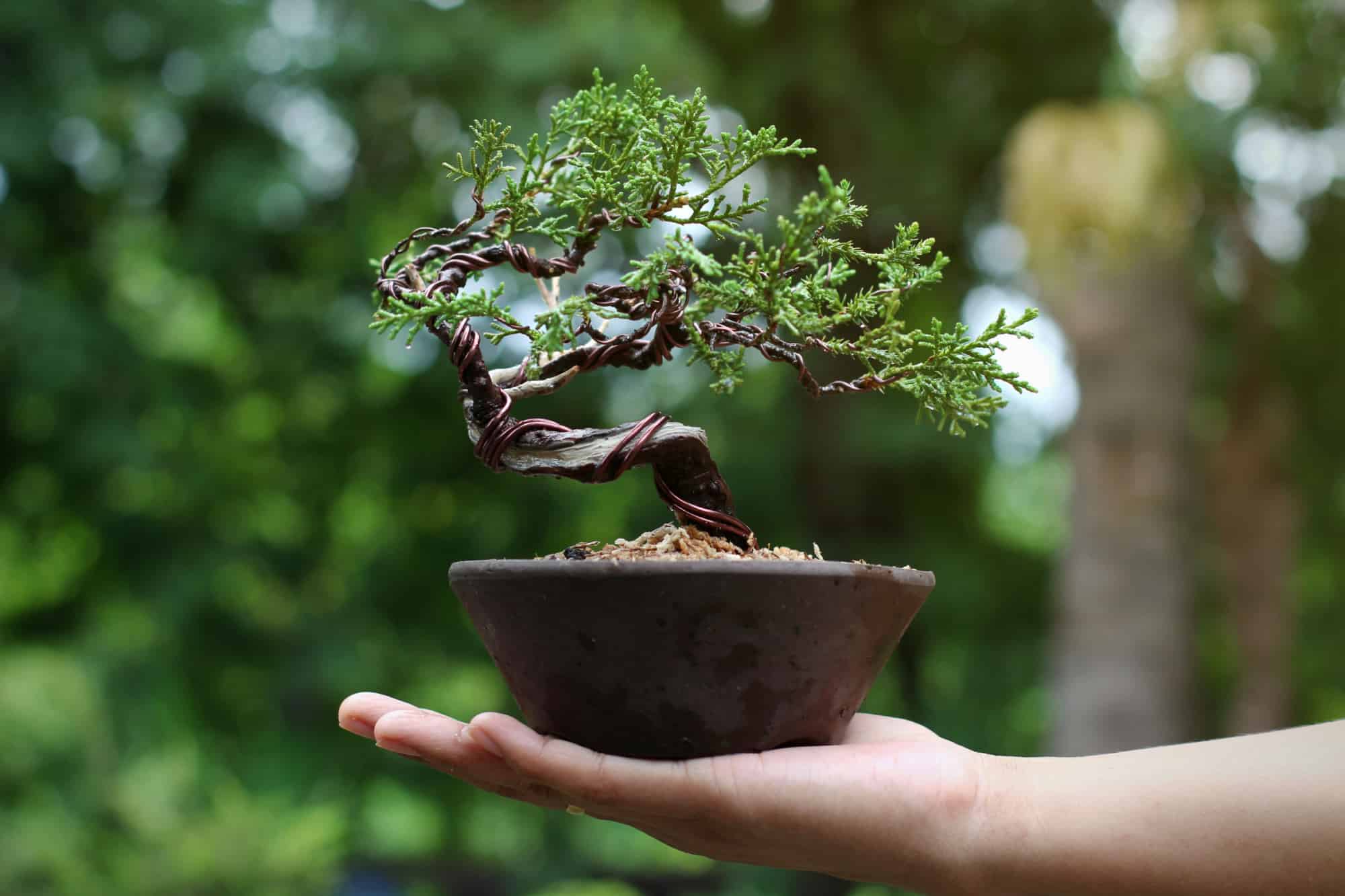
Better method:
• Remove rough branches early
• Wire only young, green, flexible shoots
• Create compact pads close to the trunk
• Maintain scale and movement
This is how refined junipers stay elegant and proportional.
6. Ignoring the Importance of Scale in Bonsai Design
Beginners often focus on:
• How big the tree is
• How much foliage it has
• How “bushy” or “full” it looks
Experts focus on:
• Ratio of trunk to branch thickness
• Internode spacing
• Negative space
• Taper
• Branch hierarchy
• Visual flow
Two trees started from identical nursery stock, but the one built on small shoots looks dramatically more refined and convincing. Scale is the silent language of bonsai.
7. Expecting Nursery Trunks to Become Twisty Bonsai
Another common juniper bonsai mistake is assuming any nursery juniper can become a twisty, dramatic bonsai. Nursery stock is grown straight, fast, and tall for landscaping purposes not for artistic movement.
If you want:
• Spiral trunks
• Dynamic twists
• Dramatic curves
…you must start with pre-bent stock or young trees you can shape from scratch.
You cannot twist a mature, rigid trunk. You must grow that movement from the beginning.
8. Not Understanding How Professional Bonsai Develops Over 10-15 Years
One of the most valuable points from the transcript is the comparison between a newly styled juniper and a 15-year refined bonsai that began from the same starting material. The difference is night and day.
What long-term development provides:
• Mature bark texture
• Developed jins and sharis
• Refined foliage structure
• Deep taper
• In-scale branching
• Artistic composition
Beginners often underestimate how transformative time is in bonsai.
Call to Action
If you want your nursery juniper to become a refined bonsai instead of a bulky landscape shrub, follow these expert principles:
• Remove all oversized branches
• Build structure with new, fine growth
• Prioritize scale over fullness
• Develop pads slowly across seasons
• Study trunk movement and branch hierarchy
Mastering these fundamentals transforms your approach and elevates your bonsai artistry from beginner level to serious craftsmanship.
FAQ: Juniper Bonsai Beginner Mistakes
1. Why do my nursery juniper bonsai look bulky and unrefined?
Because you’re keeping thick, unusable nursery branches instead of rebuilding the structure with small shoots.
2. Can I wire thick juniper branches?
Usually no. Thick branches crack easily and produce stiff, unnatural shapes.
3. How do I get small, refined foliage pads?
Cut back large branches and use the fine shoots that emerge after pruning.
4. Why does my juniper not look like professional bonsai?
Beginners keep the original nursery scale instead of redesigning the structure from scratch.
5. Can I create a twisty trunk from nursery stock?
Not from mature nursery trees—you must start from young material.
6. How long does it take to develop a refined juniper bonsai?
Typically 5–15 years depending on style, climate, and growth rate.
Keep reading
Have a plant question? Bring it to the counter.
DH Garden Centre is at 3742 West 10th Avenue in Kitsilano, Vancouver, open 11:00 to 6:30 every day. Bring the plant, or a photo of the spot you want to fill, and we will look at it with you. If you buy a pot here we repot the plant at the counter, soil included up to 5 litres.
