
How to Grow Big, Beautiful Lavender in Canada: Secrets from a Garden Expert
Welcome to Lavender Heaven 🌿
Hey plant lovers! Darrell here from DH Garden Centre in Vancouver and owner of DH Landscape Solution. Whether you’re growing herbs for fragrance, pollinators, or beauty, lavender is one of those plants that everyone dreams of growing—but few truly master. Let me tell you something: growing lavender isn’t about luck. It’s about knowing exactly what the plant wants—and giving it to them consistently.
Recently, I was inspired by a gardener named Luke from the MI Gardener channel, who grew a massive, bushy lavender that’s been thriving for years. And I couldn’t help but nod along as he shared the same secrets we’ve been using for years right here at our garden centre in Vancouver, helping customers grow lavender like pros. Today, I’ll walk you through everything you need to know to grow lavender that doesn’t just survive—but thrives.
1. Choose the Right Variety: Start With Genetics
Not all lavender plants are created equal – especially when you’re gardening in Canada. If your goal is to grow a lush, fragrant lavender bush that comes back stronger each year, you’ve got to start with the right variety. And that choice alone can make or break your lavender success.
Take it from Luke, a seasoned gardener who inspired us here at DH Garden Centre in Vancouver with his incredible, full-sized lavender bush. His secret? He didn’t just care for his plant well he chose the perfect variety from the start: Munstead lavender.

Many beginner gardeners think all lavender is the same, but in reality, the genetic traits of each variety affect:
-
How bushy it gets
-
Its resistance to cold (important in Canada!)
-
Flower color and scent
-
Bloom timing
-
Growth habit (compact vs. sprawling)
If you choose a variety that isn’t well-suited to your climate or garden conditions, even the best care might not help it thrive. That’s why, at our garden centre in Vancouver, we help you match the right lavender variety to your space, your goals, and our unique West Coast growing environment.
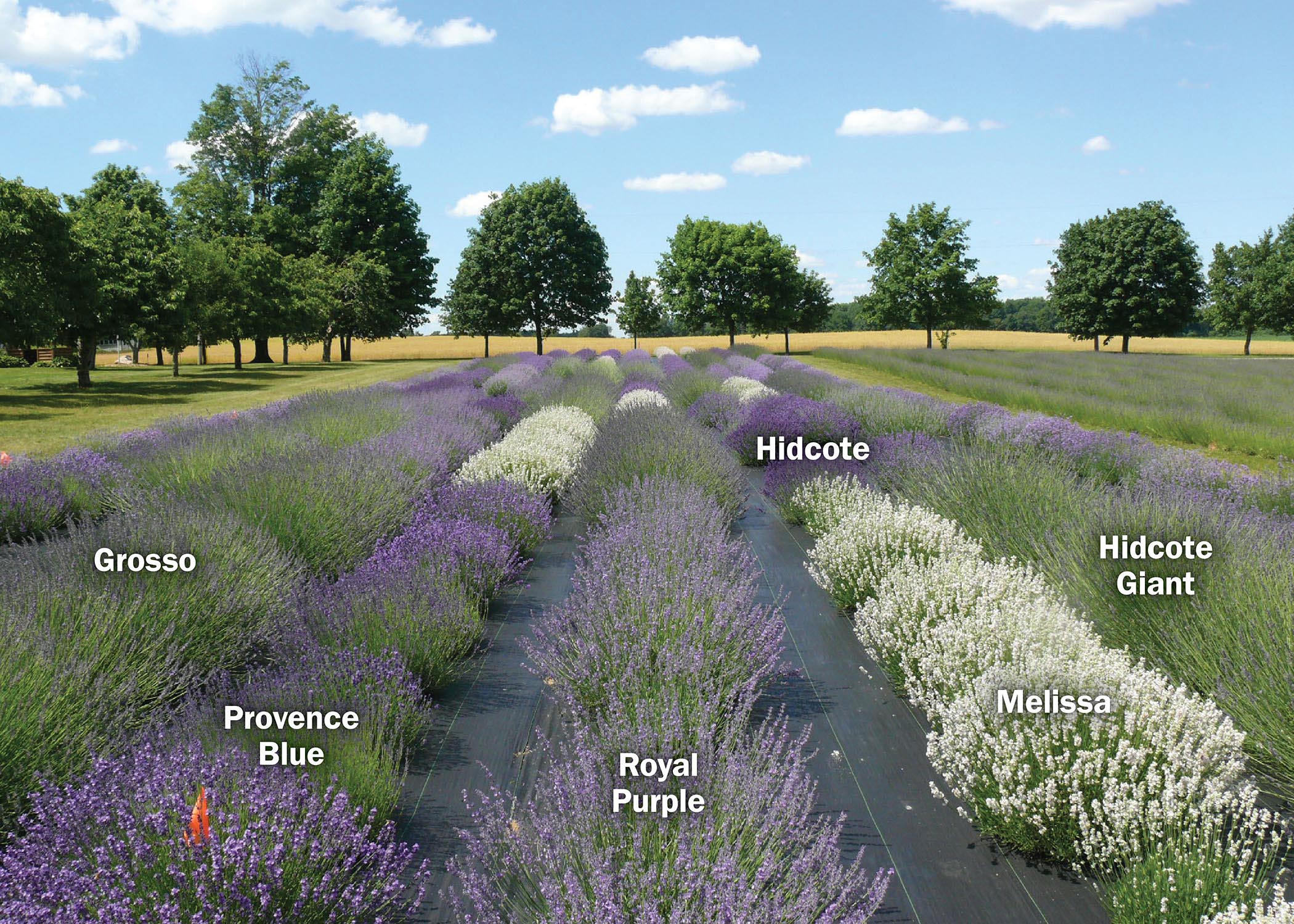
At DH Garden Centre in Vancouver, we proudly carry a selection of lavender types that are proven performers in BC’s coastal climate. Here are some of our top picks:
🌸 Munstead Lavender
-
Compact but full and very cold-hardy
-
One of the best choices for Canadian gardeners
-
Blooms early with a soft, sweet scent
-
Excellent for borders, rock gardens, and containers
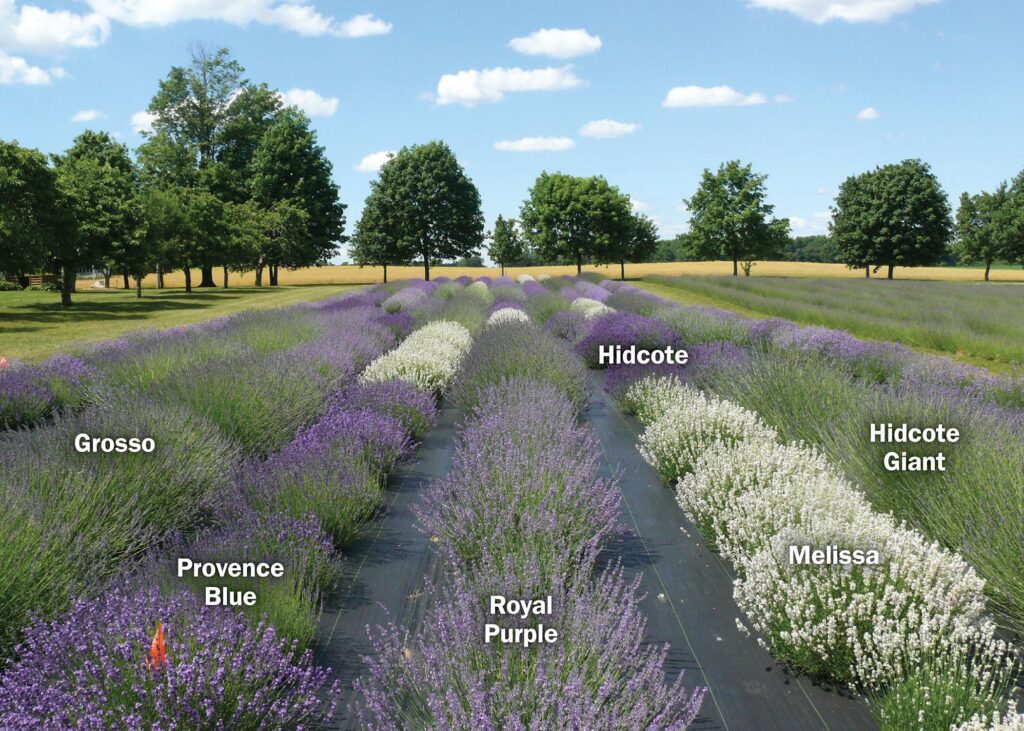
💜 Hidcote Lavender
-
Famous for its deep purple blooms
-
Intensely fragrant—great for drying and crafting
-
Compact, neat shape that looks great in formal gardens
🌿 Lavandula angustifolia (English Lavender)
-
The classic English lavender
-
Versatile, hardy, and low maintenance
-
Great for pollinators and essential oils
Each of these is well-adapted to grow in containers or garden beds around Vancouver, especially when paired with the right soil mix and sunlight conditions.

2. Pruning: The Secret to Continuous Blooms
Lavender is a woody perennial. Over time, if not maintained, the stems get leggy, the center becomes hollow, and the plant loses its shape and vigor. More importantly, it won’t produce many flowers because it’s using its energy to maintain old growth instead of pushing out new shoots. Pruning has three major benefits:
- Encourages new flowering stems (more blooms!)
- Prevents disease, mildew, and center rot
- Keeps the plant compact and tidy
In fact, many customers who follow our pruning tips at DH Garden Centre in Vancouver report back after one season saying things like,
“Wow, my lavender doubled in size!” or “It finally bloomed again after two years of nothing!”
To get the best results, timing and technique are everything.
✅ Spring Pruning (Light Trim):
-
When: Early spring, as soon as you see new green growth
-
How: Lightly shape the plant by trimming off winter die-back and about 1–2 inches above the green growth
-
Goal: Stimulate new growth for summer blooms
✅ Fall Pruning (Hard Cutback):
-
When: After the final flush of flowers in late summer or early fall
-
How: Cut back around 30% of the plant, focusing on old, woody stems
-
Important: Never cut into the hardwood—stay above green shoots
🚫 What Happens If You Don’t Prune?
-
Your lavender may become woody and sparse
-
Flower production will drop year after year
-
The center of the plant may begin to rot or collapse
-
Overall health declines and the plant becomes vulnerable to pests and mildew
Think of pruning like a reset button—it gives your lavender a fresh start and space to breathe.
💡 Pro Tip from Darrell:
“If you prune your lavender twice a year, feed it right, and let it dry between waterings—you’ll be amazed at how massive and fragrant it becomes. Pruning isn’t a loss; it’s the key to unlocking your plant’s full potential.”

If you prune your lavender twice a year, feed it right, and let it dry between waterings—you’ll be amazed at how massive and fragrant it becomes.
3. Soil: Well-Draining and Fertile is Key
Let’s bust a common myth: lavender doesn’t actually thrive in poor soil—it thrives in the right kind of soil.
Many gardeners assume lavender can grow anywhere, but in reality, if your soil is too compact, heavy, or low in nutrients, you’re setting your plant up for struggle. Lavender is native to Mediterranean regions where the soil is well-draining, gravelly, and alkaline—not just “bad” soil.
At DH Garden Centre in Vancouver, we always tell our customers that soil is one of the most overlooked factors in growing successful lavender. And we’ve seen the results firsthand—plants in great soil grow twice as full and bloom much longer.
What Kind of Soil Does Lavender Love?
Here’s what your lavender is really looking for:
-
Excellent drainage: Lavender roots rot quickly in soggy soil
-
Gritty texture: Sandy loam or gravelly mixes mimic its natural habitat
-
Slightly alkaline pH: Around 6.5–7.5 is ideal
-
Moderate fertility: Rich in compost, but not overloaded with nitrogen
❌ What to Avoid:
-
Heavy clay soils that stay wet after rain
-
Low-quality bagged topsoil that compacts quickly
-
Overly acidic soils that interfere with root function
-
Dolomite lime or crushed eggshells to gently raise the pH and replicate Mediterranean conditions
👉 Pro Tip: Before planting, mix your soil amendments thoroughly and avoid planting in low-lying or poorly draining areas of your garden.
If you’re unsure what your current soil pH is, come by our garden centre in Vancouver—we can help you test it and adjust accordingly.
Fertilizing Lavender: Light, Strategic, and Seasonal
Here’s another gardening myth we love to bust:
“Lavender doesn’t need fertilizer.”
That’s partially true—it doesn’t like rich, over-fertilized soil like roses or tomatoes do—but that doesn’t mean you should ignore feeding it altogether.
In fact, the right fertilizer, at the right time, can help your lavender grow faster, bloom more, and overwinter more successfully.
At DH Garden Centre in Vancouver, we recommend two simple feeding times for lavender:
1. Early Spring (March–April)
-
Use a balanced or nitrogen-rich fertilizer
-
This kickstarts new green growth (which is what lavender blooms on!)
-
Think of it as waking up the plant after winter
2. Late Summer (August–September)
-
Switch to a potassium-rich blend to improve winter hardiness
-
Potassium strengthens the plant’s tissues, helping it survive Canadian winters
We carry a slow-release organic fertilizer blend in-store that’s ideal for lavender and herbs. Customers love it because it’s easy to apply and gentle on roots.
Our Favorite Method: Trench Fertilizing
Here’s how we feed our lavender at the garden centre:
-
Pull back any mulch or fallen leaves
-
Dig a shallow trench about 1 inch deep around the base of the plant
-
Sprinkle in about a ¼ cup of fertilizer for mature plants
-
Scratch it into the soil surface
-
Water lightly to activate
🌸 Why It Works: This method delivers nutrients directly where roots can access them—without shocking the plant or over-fertilizing.
Watering Lavender: Less is Definitely More
One of the biggest mistakes we see gardeners make at DH Garden Centre in Vancouver is overwatering lavender.
Lavender is not a thirsty plant—it’s a survivor. Its roots are designed to stretch deep into dry, gravelly soil in search of water. If you treat it like a tomato or basil, you’re going to run into problems.
🚫 What Happens If You Overwater:
-
Root rot
-
Fungal disease (especially in our moist coastal climate)
-
Weak, floppy stems
-
Reduced blooming
-
General plant decline
How to Water Lavender Properly
Here’s how we keep our plants healthy, fragrant, and happy:
-
Never water from above – keep foliage dry to prevent mildew
-
Only water when soil is bone dry at least 2 inches down
-
Water deeply but infrequently, allowing the roots to stretch and toughen
-
Skip watering in the fall to help the plant prepare for dormancy
✅ Fun Fact: At our display beds at DH Garden Centre in Vancouver, we rarely water established lavender at all—natural rainfall is usually enough, even during our dry summer spells.

Special Tip for Vancouver Gardeners:
Because we’re in a coastal region, many areas of Vancouver have high rainfall and heavier soil. If that’s your situation:
-
Focus on soil drainage first
-
Plant in raised beds or mounded soil
-
Add sand or gravel to planting holes
-
Mulch with crushed gravel or bark to wick away excess moisture
Bonus: Companion Plants and Landscaping with Lavender
Lavender isn’t just functional—it’s stunning in any garden design. Use it to:
- Line pathways or borders
- Create pollinator zones (bees and butterflies love it!)
- Pair with rosemary, sage, and ornamental grasses
Need design help? Our team at DH Landscape Solution can help you create a low-maintenance, fragrant, and drought-tolerant landscape that fits your space.
What You’ll Find at DH Garden Centre in Vancouver
Here’s why customers across Kitsilano and Greater Vancouver trust us for their lavender needs:
1. Hardy lavender varieties suited for BC climate
2. Custom potting mixes & fertilizers
3. Organic compost and soil amendments
💬 Expert advice on pruning, watering, and overwintering
Visit us in-store or shop online to start your lavender journey today.
📍 DH Garden Centre, 3742 West 10th Avenue, Vancouver, BC
🌐 dhgardencentre.com
FAQs About Growing Lavender in Canada
Q: What’s the best time to plant lavender in Vancouver?
A: Early spring after the last frost is ideal. You can also plant in early fall if the roots have time to establish.
Q: Can I grow lavender in containers?
A: Absolutely! Just make sure the pot has drainage holes and use a well-draining mix like our Herb & Cactus Blend.
Q: How do I protect lavender in winter?
A: Don’t overwater in fall. Add a layer of mulch around the base, and make sure drainage stays excellent.
Q: Why isn’t my lavender flowering?
A: It may need pruning or more sunlight. Also check if you’re overwatering or using rich, soggy soil.
Q: Do I need to deadhead lavender?
A: Yes! Cutting off spent flowers encourages more blooms and keeps your plant tidy.
Final Thoughts from Darrell 🌿
Growing lavender isn’t just about having a pretty plant—it’s about creating a space that feels calm, smells incredible, and invites nature in.
If you’re just getting started or need help reviving your lavender, come see us at DH Garden Centre in Vancouver. We love helping our community grow plants that bring joy year after year.
💜 Come visit us today—and let’s grow something beautiful together.
