Struggling houseplants often fail because of the wrong soil. Learn how indoor plant soil really works with expert tips from a trusted garden centre in Vancouver.
Introduction: The Problem Is Not Your Watering Schedule
Three pots can look identical. Same plant. Same light. Same watering routine.
And yet, one plant thrives, one stagnates, and one quietly dies.
For most indoor plant failures, the cause is not overwatering, neglect, or bad luck.
It is soil.
At our Vancouver garden centre, we see this every week. Customers bring in struggling plants convinced they are watering wrong, when in reality the roots have been suffocating for months. When it comes to houseplants, what happens under the surface controls everything above it.
Indoor plant soil is not just something that holds a plant upright. It is a life-support system.
Truth Bomb: Indoor Plant Soil Is Not Actually Soil
One of the biggest misconceptions beginners have is assuming indoor plant soil is the same as garden soil.
It is not.
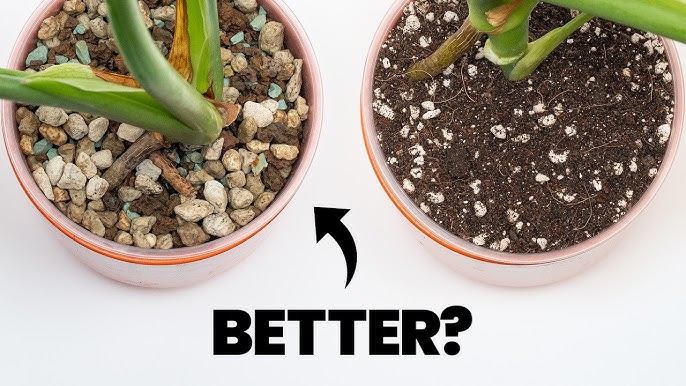
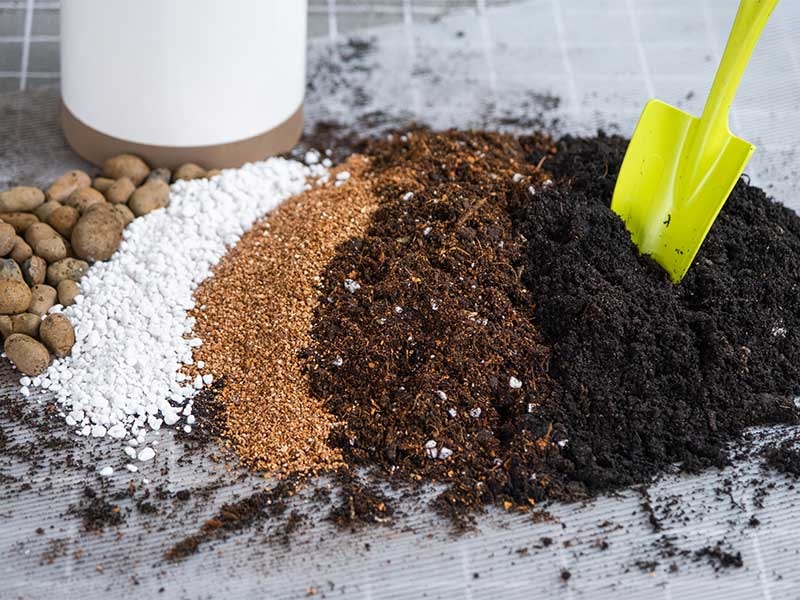
What we use for houseplants is a potting mix, a manufactured blend designed for containers. Unlike outdoor soil, it must manage water, oxygen, and structure in a confined space with limited airflow.
Most mixes contain:
-
Coconut coir or peat to hold moisture
-
Perlite or pumice for airflow
-
Bark or compost for structure and nutrients
The goal is not richness. The goal is balance.
Too much water retention leads to root rot.
Too much drainage leads to dehydration.
Most off-the-shelf mixes lean too far in one direction, especially indoors where evaporation is slow and airflow is limited. At a professional garden centre in Vancouver, we do not think of soil as dirt. We think of it as root environment engineering.
Rookie Mistake #1: Using Multi-Purpose Compost Indoors
This is the most common mistake we see at our Vancouver garden centre.
Multi-purpose compost is designed for outdoor use. It works well in:
-
Flower beds
-
Hanging baskets
-
Vegetable gardens
Indoors, it becomes a problem.
The texture is too dense. Once wet, it stays wet. Roots sit in compacted, oxygen-poor material and slowly decline. Using outdoor compost indoors is like putting your plant in a soggy sleeping bag and wondering why it looks miserable.
Rookie Mistake #2: One Soil Mix for Every Plant
Using the same soil for every houseplant is another silent killer.
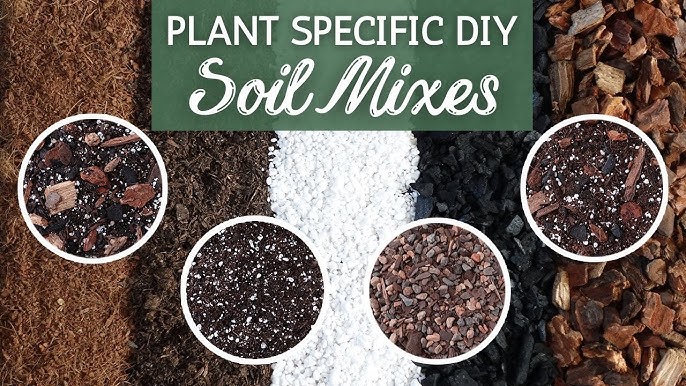
Different plants evolved in different environments:
-
Succulents want rapid drainage
-
Aroids want chunky, airy mixes
-
Calatheas want moisture without saturation
Using one generic mix guarantees that some plants will always be unhappy. At any reputable garden centre in Vancouver, soil recommendations change depending on the plant type, pot, and home environment.
Rookie Mistake #3: Ignoring Airflow Around Roots
Many people think soil is about water.
Professionals know it is about oxygen.
When soil compacts:
-
Oxygen cannot reach roots
-
Roots suffocate
-
Plants wilt despite being wet
This leads to the classic cycle: plant looks sad, you water more, roots rot faster.
Cheap mixes compact quickly. This is why long-term soil structure matters more than initial moisture levels.
Rookie Mistake #4: Moisture-Control Soils Indoors
Moisture-control soils sound helpful, but indoors they are often disastrous.
These mixes contain polymers that hold water for extended periods. That might work outdoors in full sun. Indoors, especially in winter, they keep roots wet far too long.
At our Vancouver garden centre, many fungus gnat infestations trace back to moisture-control soil used indoors.
Building Soil Like a Pro: Tailoring the Mix to the Plant
Professionals do not grab random bags and hope for the best. They build soil intentionally.
Every mix balances three things:
-
Drainage
-
Aeration
-
Moisture retention
Aroids (Monstera, Philodendron, Syngonium)
These plants want airflow and even moisture.
Ideal mix:
-
Coconut coir base
-
Perlite for oxygen
-
Bark or husk for structure
Water should soak in, then drain evenly.
Succulents and Snake Plants
These plants store water and hate wet roots.
Ideal mix:
-
Coir base
-
Heavy grit or pumice
-
Minimal organic matter
Water should pass through quickly and dry within days.
Ferns, Calatheas, Prayer Plants
These plants want steady moisture, not wetness.
Ideal mix:
-
Higher coir content
-
A small amount of vermiculite
-
Enough perlite to prevent compaction
Think rainforest floor: soft, springy, never soggy.
Pots Matter More Than You Think
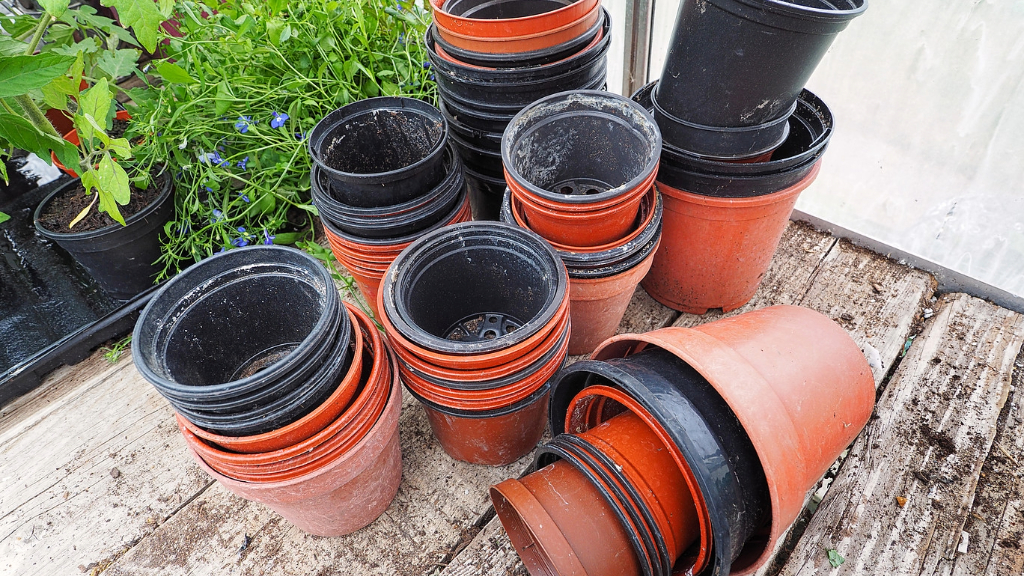
At any experienced garden centre in Vancouver, pot choice is discussed alongside soil.
-
Plastic pots dry slowly
-
Terracotta dries faster
-
Small pots dry faster than large ones
The same plant may need a different soil mix depending on the pot material. Environment matters too. Plants near windows or heaters dry faster than those in shaded corners.
There is no one-size-fits-all recipe.
The Hidden Soil Bag Problem
Many people unknowingly buy compromised soil before it even reaches their plant.
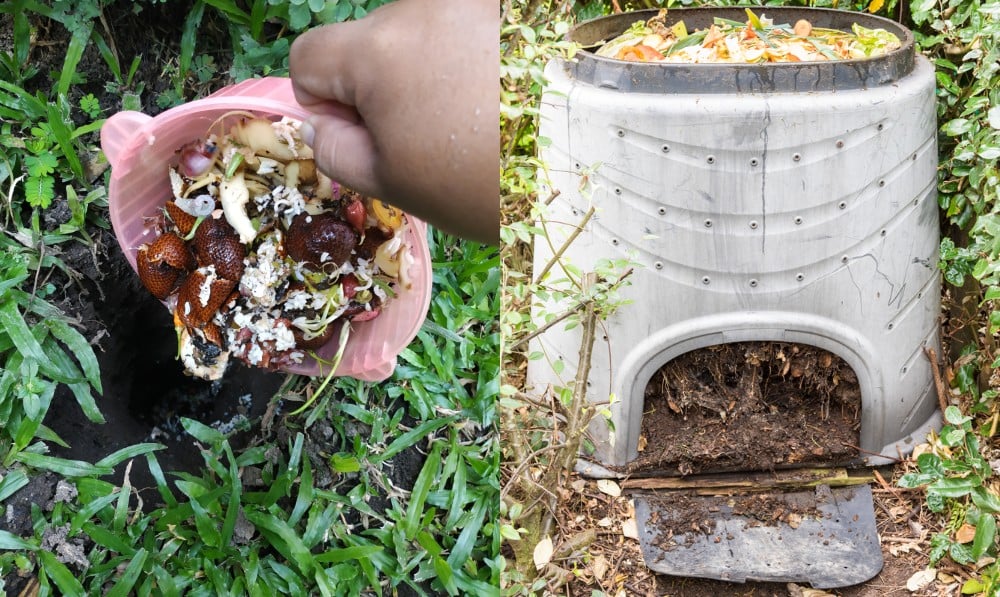
Avoid soil bags with ventilation holes intended for outdoor use. These allow humidity and air to interact with organic matter during storage, often leading to fungus gnat infestations.
Indoor plant soil should be sealed, sterile, and designed specifically for containers. This is standard advice from any quality Vancouver garden centre.
Bonus Pro Tips That Change Everything
Check Texture Before Potting
Squeeze the soil:
-
If water runs out, it is too wet
-
If it forms a hard clump, it is too compact
-
Ideal soil clumps lightly and falls apart when tapped
Use Clear Pots
Clear nursery pots remove guesswork. You can:
-
See moisture levels
-
Spot pooling water
-
Watch root health directly
Once you learn what healthy roots look like, you prevent problems early.
Water by Weight, Not Schedule
Lift the pot after watering.
Lift it again days later.
The weight tells you more than any calendar ever will.
Soil Does Not Last Forever
Over time:
-
Bark breaks down
-
Coir compacts
-
Perlite migrates
After two years, most indoor soil needs refreshing. Sometimes replacing the top third is enough. Other times, full repotting is necessary.
FAQ: Indoor Plant Soil
Why does my plant rot even though I water carefully?
Because the soil holds water too long and roots cannot breathe.
Is garden soil ever okay for houseplants?
No. Garden soil compacts and harbors organisms unsuitable for containers.
How often should I change indoor plant soil?
Every 1–2 years, depending on plant and mix quality.
Do expensive soil mixes really matter?
Structure matters more than price, but well-formulated mixes save plants.
Final Thoughts: Soil Is the Foundation
When indoor plants fail, soil is almost always involved.
Once you understand that potting mix is not dirt but a designed environment, plant care becomes simpler, calmer, and more predictable. At our Vancouver garden centre, we see dramatic turnarounds just by correcting what is under the surface.
Healthy roots create healthy plants. Everything else follows.
If your houseplants are struggling and you are unsure why, start with the soil.
Visit a trusted garden centre in Vancouver where staff understand indoor plant environments, pot selection, and soil structure. A five-minute conversation can save months of frustration.
Your plants do not need more guessing.
They need better foundations.
Whether you’re shopping for plant lovers, hunting for meaningful plants, or simply looking to add a touch of green to your own holiday décor, DH Garden Centre has everything you need for a joyful, vibrant, and beautifully green Christmas.
Visit DH Garden Centre today: where the holidays grow brighter, one plant at a time.
