
Someone asks us this every autumn, usually in September when the box has just arrived and the ground is still too warm to plant. The logic sounds reasonable. Bulbs need cold, a freezer is cold, so a few weeks with the bulbs in the freezer must give them a head start.
It does the opposite. Bulbs in the freezer do not go dormant, they die. Put bulbs in the freezer and the water inside the tissue turns to ice, the ice tears the cell walls open, and the bulb collapses into a soft wet mess as soon as it thaws. This is true for tulips, daffodils, crocus, alliums and seed garlic alike.
Why does putting bulbs in the freezer kill them?
A bulb is mostly water held inside living cells. For bulbs in the freezer at around minus 18 C that water freezes into sharp crystals that puncture the cell walls from the inside. The damage is done while it is frozen, and you see it on thawing, when the bulb goes soft, dark and sour smelling.
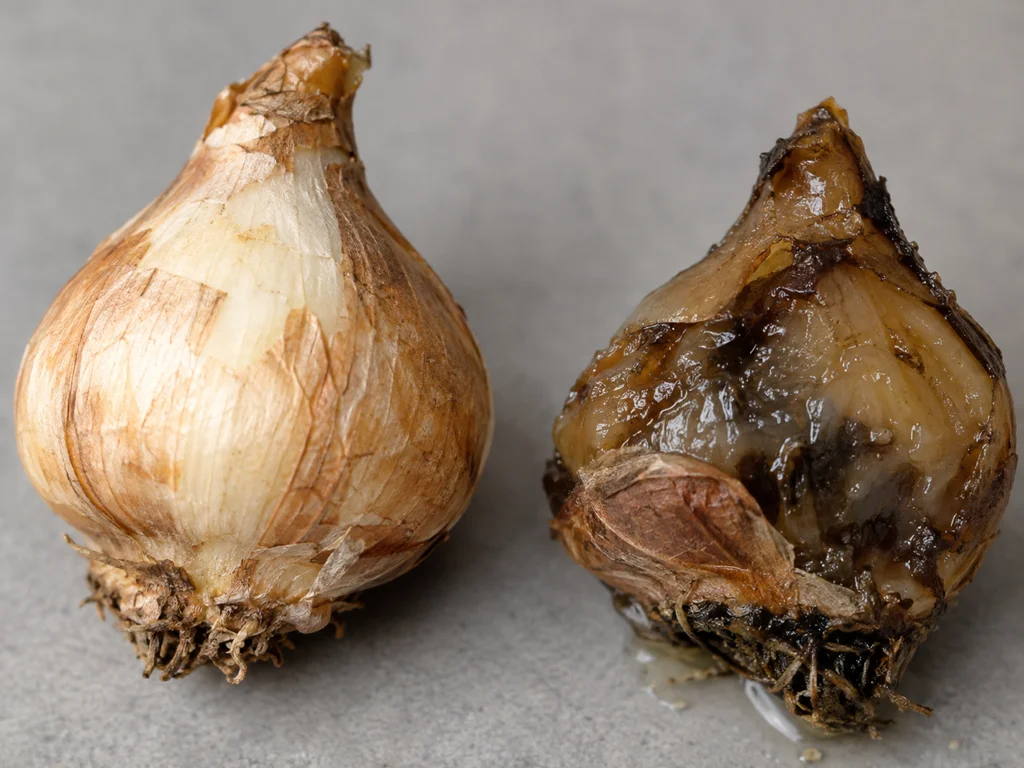
Nothing brings that back. With bulbs in the freezer there is no partial recovery and no planting them anyway to see what happens. Once the membranes are torn, the bulb cannot control its own moisture, and the soft rot organisms that live everywhere in soil finish the job in days.
Freezer air is also extremely dry. Even in the few cases where the tissue survives the ice, bulbs in the freezer left uncovered dehydrate faster than they would on a warm shelf.
Cold ground and a freezer are not the same kind of cold
This is the part that makes the confusion make sense, because bulbs genuinely are cold hardy. Three things separate a winter bed from a freezer drawer.
Speed. Autumn cools down over weeks. Bulbs and other hardy plants use that time to harden off, moving sugars and protective proteins into their tissue so that ice forms in the spaces between cells rather than inside them. Bulbs in the freezer go from room temperature to minus 18 C in a couple of hours with no chance to prepare.
Depth. Soil is a heavy blanket. A bulb sitting at three or four times its own height below the surface, with leaves or snow on top, sits in temperatures far steadier than the air above it. In most Canadian gardens that zone hovers near freezing rather than plunging.
Moisture. Cold soil is damp. A bulb in the ground is quietly making roots through late autumn and early winter, which is exactly what it should be doing and exactly what bulbs in the freezer cannot. A bulb in a freezer bag is doing nothing except losing water.
Do flower bulbs need a chilling period?
Yes. Tulips, daffodils, hyacinths and crocus need roughly twelve to sixteen weeks somewhere between about 1 and 9 C, which is 34 to 48 F, before they will flower properly. That is refrigerator cold rather than the cold you would give bulbs in the freezer, and in almost all of Canada the winter ground supplies it at no cost.
That is the whole answer to the question underneath the question. People put bulbs in the freezer because they have heard bulbs need chilling. They do, but the range is narrow and it sits above freezing, which is precisely where a Canadian winter already puts them once they are in a bed.
When the fridge is the right tool
There are two honest exceptions, and neither of them is common here.
The first is forcing. If you want a pot of hyacinths flowering on a windowsill in February, you chill potted bulbs in a cold spot for twelve to sixteen weeks and then bring them into warmth. An unheated garage or cold frame usually does that better than a fridge.
The second is a mild winter climate where the ground never gets cold enough, which in Canada mainly means the warmest pockets of coastal British Columbia in a mild year. Even there, most gardens on the coast chill tulips perfectly well outdoors, and our zone 8 winter planting notes go through what that looks like month by month.
If you do use a fridge, keep the bulbs in a paper bag well away from fruit. Apples, pears and bananas give off ethylene gas as they ripen, and ethylene destroys the flower bud already formed inside the bulb. The plant comes up in spring with good leaves and no flower, which is the most quietly disappointing thing a bulb can do.
What to do instead
Plant them outside, and let the winter do the work you were about to do badly.
- In most of Canada, get spring bulbs and seed garlic into the ground from late September through October, once the soil has cooled but before it is hard. Variety matters more than any trick, and the three hardneck types we set aside for this autumn were chosen because they come through a hard winter in the ground.
- Water once at planting until the bed is properly soaked, then leave it alone. Do not keep watering garlic through a wet winter, because a dormant clove sitting in extra water gives you rot rather than roots.
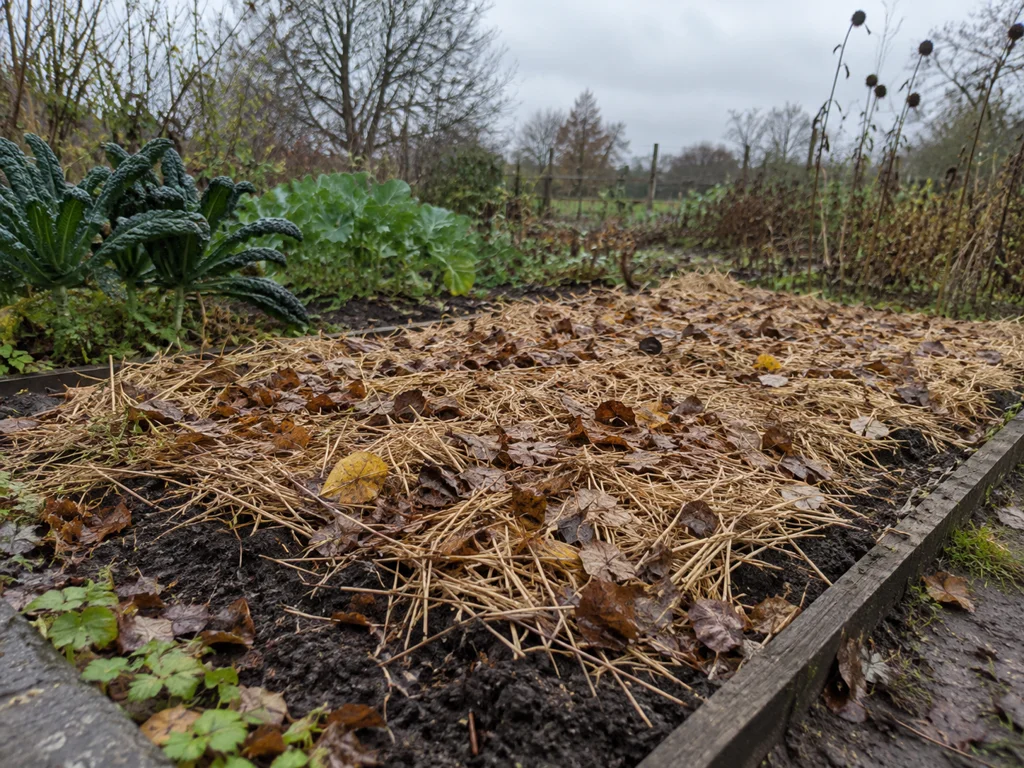
- Lay straw or dry leaves over the top after planting. It steadies the soil temperature and it is the same job you would be doing anyway when preparing raised beds for winter.
- If you truly cannot plant yet, store them properly instead. Cool, dark, dry, airy and out of plastic, which we set out step by step in how to store flower bulbs before planting.
The one time bulbs in the freezer and garlic get along is in the kitchen. Chopped garlic scapes and garlic butter freeze beautifully for cooking. That is food, not planting stock, and the difference is the whole point.
What if bulbs froze by accident
It happens. A box left in an unheated garage through a cold snap does much the same thing to a bulb as bulbs in the freezer do, only more slowly, and so does a bag forgotten in the car overnight in November.
Check each one by hand once it has come back to room temperature. Firm and dry means plant it. Soft, water soaked, weeping or smelling sour means it is finished and no amount of hope changes that. Sort them over newspaper and plant the survivors the same week, because bulbs that took a shock do better in soil than in a bag.
Seed garlic is worth checking clove by clove for this reason. One collapsed clove in a head does not condemn the rest.
Getting the cloves in the ground while you still can
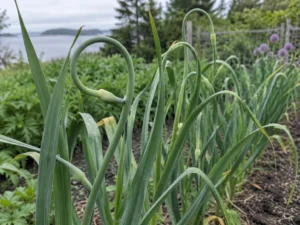
Picture next June. You walk out with snips before breakfast and cut the curling scapes off hardneck garlic that has been looking after itself since October. Then in July you lift the heads. None of that asked anything of you all winter, because cold ground did the work a freezer cannot.
Seed garlic and bulbs reach us in small lots and nobody reorders partway through a planting season, so once a variety is spoken for it waits until the following autumn. The real deadline belongs to the weather rather than to us, since ground that has gone cold and hard through late October and November closes the window on its own.
The hardneck garlic Darrell picked for cold winters is grouped in one place, and if you would rather start with tulips, the zone by zone timing is in when to plant tulip bulbs in Canada.
If you would rather watch than read, Darrell covers lifting and holding bulbs so next spring is bigger in a short video on our channel.
What the bulbs in the freezer question actually costs
The reason this one hurts is that it looks careful. You spend money on good seed garlic and tulips, you want to look after them, and putting bulbs in the freezer feels like the responsible thing to do while you wait for the ground to cool. A few hours later the damage is done, and you find out in October when the pack comes out soft.
The advice out there does not help. Search for chilling and you get pages about forcing hyacinths, pages about warm climates where the ground stays mild, and pages about cold storage written for commercial growers. Very little of it says plainly that fridge cold and freezer cold are different things for a living bulb.
There is a family cost too, in a small way. Garlic planting is the crop people wait for, the scapes in June that somebody cooks with, the heads hanging in the garage in July that end up at a neighbour house. Losing the stock in September makes all of that disappear quietly.
So we would rather you asked us than guessed. Darrell chose the hardneck garlic on our list because it comes through cold ground in this country, out of more than 25 years of hands on gardening and landscaping, and every head is handled before it is packed.
Plant into cold ground and the winter does the work at no cost to you. Put bulbs in the freezer instead and there is nothing to plant, and nothing to be done about it until next autumn.
Frequently asked questions
Can I freeze garlic before planting it to give it a cold period?
No. Seed garlic wants weeks of cold damp soil with air around it, not a dry freezer at minus 18 C. Freezing bursts the cells inside each clove and the clove rots as soon as it thaws. Plant the cloves in October, mulch the bed, and the Canadian winter provides the cold at no cost to you.
How cold can flower bulbs get in the ground without dying?
Hardy spring bulbs planted at the right depth handle normal Canadian winters, including prairie ones, because soil and snow buffer the extremes and the bulb hardens off gradually through autumn. Shallow planting is the real risk, not cold itself. Plant to roughly three times the height of the bulb and mulch bare beds.
Are bulbs in the freezer ever useful for anything?
Only in the kitchen. Chopped garlic scapes, garlic butter and cooked bulb vegetables all freeze well as food. Nothing you plan to plant belongs in a freezer at any point. If you need to hold planting stock for a few weeks, a cool dark cupboard above freezing is the right place.
My bulbs were in an unheated garage during a cold snap. Should I throw them out?
Check them first. Let them return to room temperature, then press each one. Firm and dry bulbs are fine and should go into the ground that week. Anything soft, wet looking or sour smelling has been damaged past saving. In a mixed batch you will often find most of them came through.
Come and see us in Kitsilano
DH Garden Centre
3742 West 10th Avenue, Vancouver, BC V6R 2G4
Open daily, 11:00 to 18:30
604-929-7335
If a bulb in your bag has you worried, bring it into the shop on West 10th and we will look at it with you. Kitsilano gardeners drop in with odd looking bulbs all autumn, and Darrell has spent more than twenty five years on this coast deciding which ones are worth planting.
Keep reading
Have a plant question? Bring it to the counter.
DH Garden Centre is at 3742 West 10th Avenue in Kitsilano, Vancouver, open 11:00 to 6:30 every day. Bring the plant, or a photo of the spot you want to fill, and we will look at it with you. If you buy a pot here we repot the plant at the counter, soil included up to 5 litres.
