Discover the best types of mulch for vegetable gardens. Learn how to use hay, straw, compost, cover crops, leaves, cardboard & more without harming your soil.
Types of Mulch for Vegetable Gardens: A Complete No-Nonsense Guide
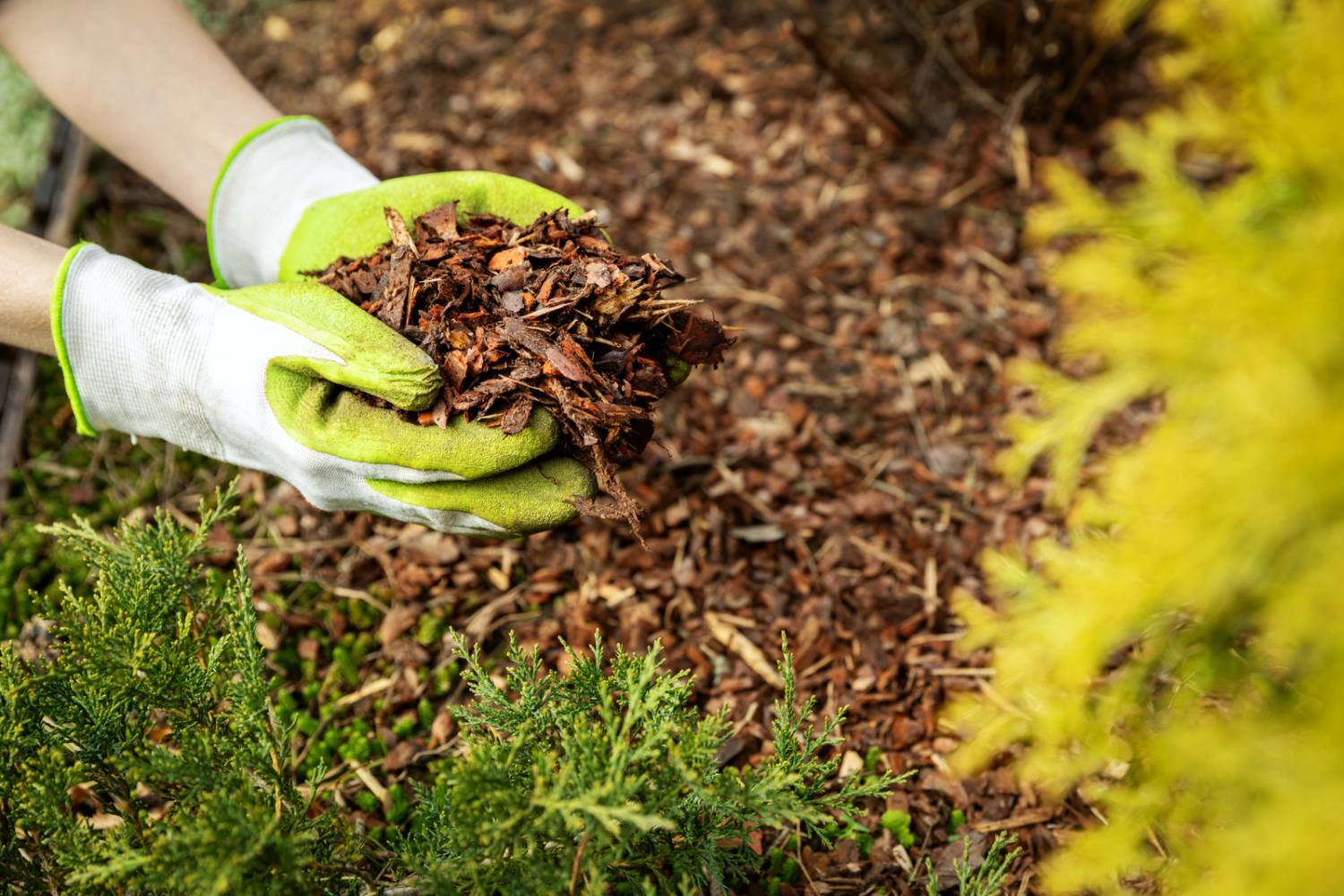
If you grow food, you’ve probably heard that mulch is “magic” for the soil. That’s partly true. The right types of mulch for vegetable gardens can reduce weeds, save water, build organic matter and protect your soil for years.
But here’s the part people rarely say out loud:
Use the wrong mulch in the wrong way, and you can cool the soil too much, keep beds soggy, introduce weed seeds, or even bring in herbicide residues that wreck your crops.
This guide walks you, step by step, through the most common and affordable mulches hay, straw, cover crops, compost, leaves, cardboard, grass clippings, wood chips, plastic, landscape fabric and living mulches. You will learn when to use each type of mulch for vegetable gardens and when to walk away.
What Mulch Actually Does (and Why It Sometimes Backfires)
When used correctly, mulch can:
-
Reduce erosion from wind and heavy rain
-
Hold soil moisture and cut irrigation needs
-
Suppress weeds and protect soil structure
-
Feed soil life as it breaks down
-
Cool hot summer soil or insulate winter beds
Used poorly, the same mulch can:
-
Keep soil too wet, suffocating roots
-
Cool beds so much that spring crops stall
-
Introduce weed seeds or diseases
-
Shift soil pH or tie up nitrogen temporarily
So the real question isn’t “Is mulch good or bad?”
It’s: “Which types of mulch for vegetable gardens fit my climate, crops and timing?”
Let’s break that down by material.
Main Types of Mulch for Vegetable Gardens
1. Hay Mulch
What it is:
Hay is grass (and sometimes other plants) cut at peak growth, dried and baled. It’s usually quite nutritious, good enough to feed animals, which means it can “feed” your soil too.
Pros
-
Very nutrient rich; adds organic matter and minerals
-
Easy to spread, especially with small square bales
-
Excellent at cooling and shading soil in hot summers
-
Holds moisture extremely well
Cons
-
Often full of weed seeds, including aggressive species
-
In some regions growers spray hay fields with broadleaf herbicides; residues can damage garden plants
-
Cools the soil; in cold, wet climates this can delay spring growth
-
Can keep dense, heavy soil wet for too long
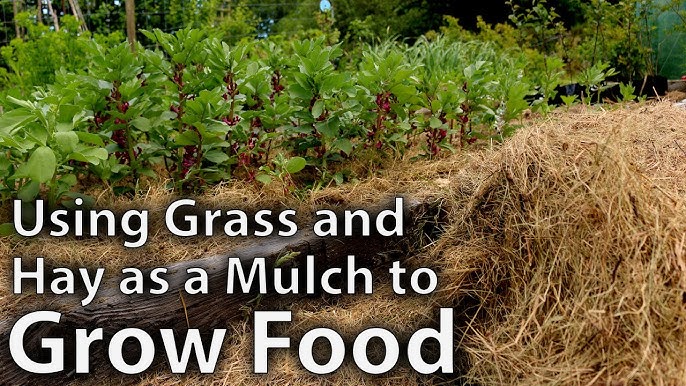
Best way to use hay mulch
-
Ask your supplier directly about herbicide use, build a relationship and stick with people you trust.
-
Use hay mulch on long-season crops like tomatoes, peppers, squash and corn, especially once soils have already warmed.
-
In cooler climates, wait until late spring or early summer before adding thick hay mulch.
2. Straw Mulch
What it is:
Straw is the dry stalk left after harvesting grain crops such as wheat, rye, rice or barley. It’s usually less nutrient dense than hay and contains fewer seeds.
Pros
-
Lightweight and easy to spread over large beds
-
Retains moisture and suppresses weeds
-
Great food for fungi and soil life
-
Breaks down into organic matter relatively quickly
Cons
-
Less nutrient rich than hay
-
May come from grain fields sprayed with desiccant herbicides
-
Cool, damp climates may see soils stay too wet under straw
-
Leftover grain heads can become weeds
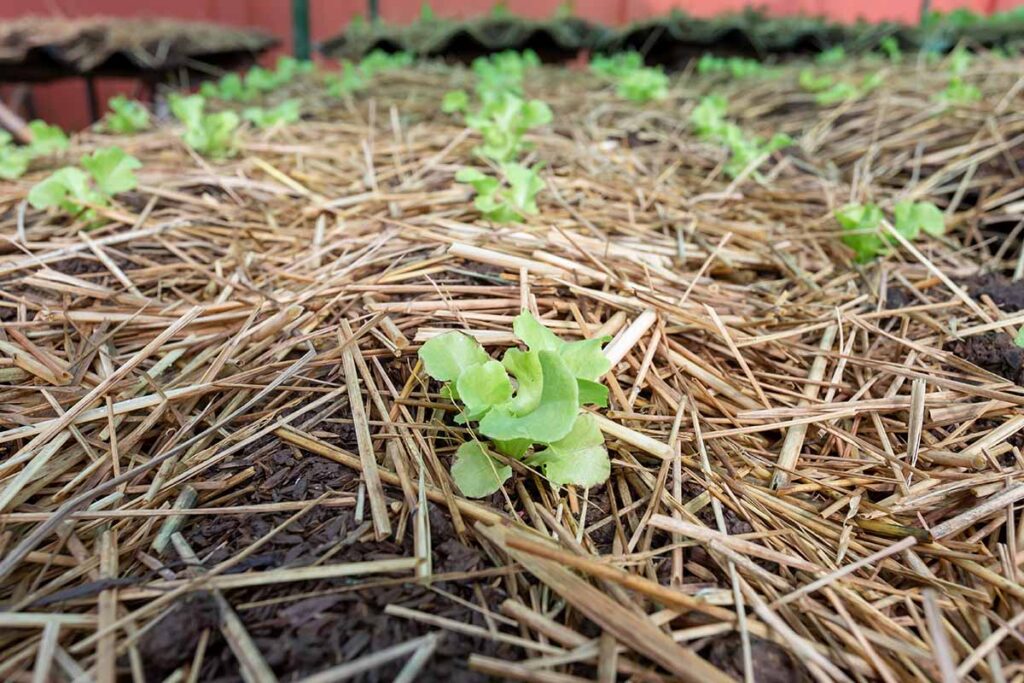
Best way to use straw mulch
-
Confirm with your supplier that the straw hasn’t been sprayed with persistent herbicides.
-
Use straw as one of the safer types of mulch for vegetable gardens in warm or dry regions where you want cooler soil and fewer weeds.
-
In cold climates, apply it later in the season or pre-warm beds with clear plastic before planting.
3. Cover Crop Mulch
What it is:
Cover crops (rye, clover, vetch, peas, etc.) are grown specifically to protect and feed the soil. Once they reach the right stage, they’re terminated and left on the surface as mulch.
Pros
-
Excellent at increasing soil organic matter and microbial diversity
-
Provides both mulch and root channels that improve soil structure
-
Can fix nitrogen (legume cover crops)
-
Builds resilience over the long term
Cons
-
Timing is critical; many cover crops aren’t ready to terminate until late spring
-
If you kill them too early, they act more like weeds than mulch
-
Often requires specialized tools (roller-crimpers, mowers, etc.) for no-till termination
-
Poorly managed cover crops can compete with your cash crops
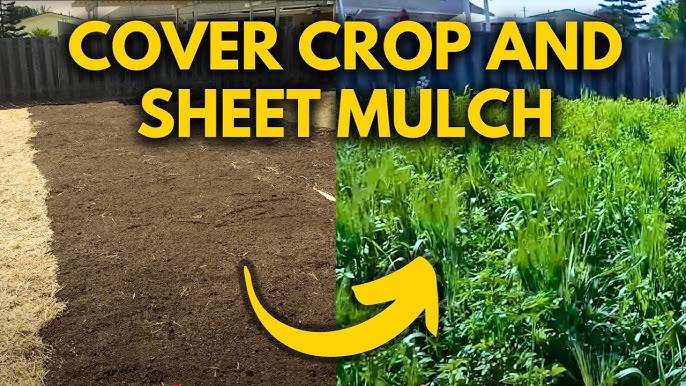
Best way to use cover crop mulch
-
Plan your crop rotation around the cover crop’s life cycle. For example, a winter rye cover crop might not be ready to terminate until late May or June.
-
Use robust cover crops like winter rye or hairy vetch to create thick mulches for transplanted crops (tomatoes, brassicas).
-
Start small, experiment with a few beds before scaling up.
4. Compost Mulch (Deep Compost / No-Dig)
What it is:
A thick surface layer of finished compost used both as a soil amendment and as mulch.
Pros
-
Feeds the soil and inoculates it with beneficial microbes
-
Warms the soil slightly compared to hay or straw
-
Easy to plant into—ideal for transplants and many direct-seeded crops
-
Excellent weed suppression when applied thickly (5–8 cm / 2–3 in)
Cons
-
Quality varies dramatically from supplier to supplier
-
Immature or contaminated compost can burn plants or introduce herbicides, PFAS or other pollutants
-
Can become hydrophobic (water-repellent) if too woody or dry
-
Can be expensive if you have many beds and must buy in bulk
-
Heavy to move and spread
Best way to use compost mulch
-
Vet your supplier carefully or, ideally, learn to make your own compost.
-
Estimate quantities: a common rule is 1 cubic yard per 200 square feet for a 1–2 inch layer.
-
Use compost mulch where you want warmth and fertility: salad beds, brassicas, fruiting crops.
-
In hot climates, combine compost with a light straw or hay topping to protect it from baking in the sun.
5. Complementary Mulches: Leaves, Cardboard, Grass Clippings & Wood Chips
These materials often work best in combination with other types of mulch for vegetable gardens.
Shredded Leaves
-
Rich in minerals and excellent for fungal communities
-
Can mat and repel water if applied in thick, unshredded layers
-
Blow away easily in windy weather
Tip: Shred leaves and cap them with a thin layer of compost or straw to keep them in place and speed decomposition.
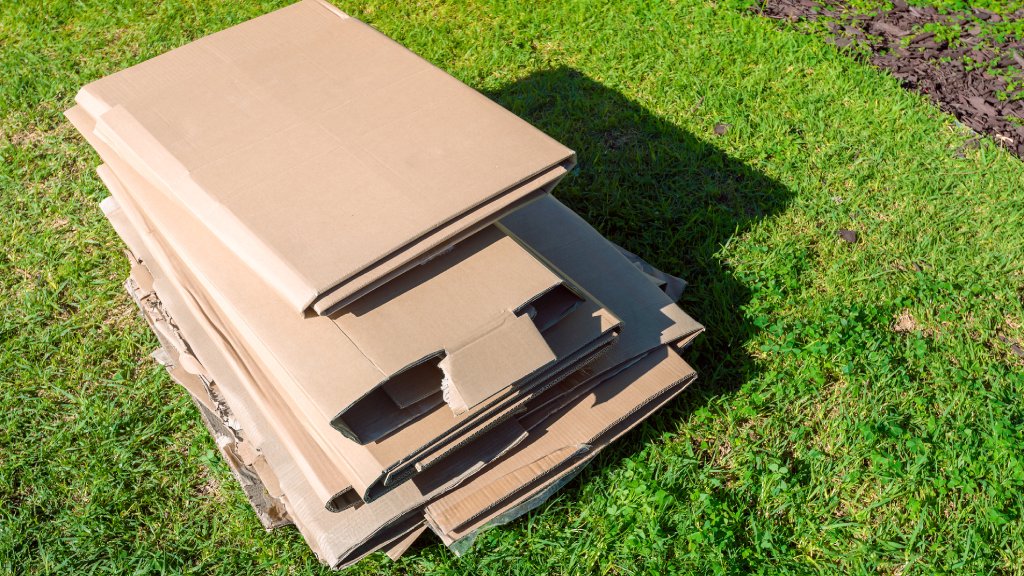
Cardboard & Paper
-
Great weed barrier under paths, perennials or new beds
-
Must be covered with compost, hay or straw to prevent blow-off
-
Avoid glossy inks, heavy dyes and any wax-coated boxes
Grass Clippings
-
Extremely nutrient dense when fresh
-
Break down quickly and can become slimy if piled too thick
-
May contain herbicide residues if the lawn was treated
Tip: Use thin layers of untreated clippings around heavy-feeding vegetables or mix into compost.
Wood Chips & Bark Mulch
-
Excellent for paths, perennial beds and orchard rows
-
Not ideal as a primary surface mulch right on annual beds unless compost is underneath
-
Fresh chips can tie up nitrogen while decomposing and may alter pH
Tip: Let wood chips age, or use them over a solid compost layer in pathways and around shrubs and trees.
6. Living Mulch
What it is:
A low-growing living plant cover such as clover, thyme, or chamomile, growing alongside your crops to protect the soil.
Pros
-
Continuous photosynthesis feeds soil life
-
Reduces erosion and can support pollinators
-
Looks beautiful and reduces bare soil
Cons
-
Competes with main crops for water and nutrients
-
Difficult to manage in high-intensity market gardens
-
Works better in pathways or under tall perennials than around small annuals
Best way to use living mulch
-
Start with living paths: plant clover or grass in walkways rather than right in the crop rows.
-
Try overseeding clover into long-season crops like brassicas or radicchio late in the season so it establishes as the main crop finishes.
7. Plastic Mulch & Landscape Fabric
What they are:
Synthetic barriers placed on the soil surface to control weeds and sometimes warm the soil.
Pros
-
Excellent weed suppression
-
Can warm beds significantly in cool climates
-
Landscape fabric is reusable and allows water and air to pass through
Cons
-
Adds microplastics to the environment as it ages
-
Must be very well anchored to avoid flapping and tearing
-
Does not add organic matter or feed soil life
-
Disposal is difficult and often wasteful
Best way to use plastic and landscape fabric
-
If you use them, treat them as temporary tools while you improve soil with organic mulches beneath or between seasons.
-
Pin landscape fabric securely with long staples at close spacing and remove it at the end of the season.
-
Avoid PVC-based plastics and cheap films that break down rapidly into fragments.
How to Choose the Best Mulch for Your Garden
When deciding between different types of mulch for vegetable gardens, think about:
-
Climate
-
Hot & dry: choose cooling, moisture-holding mulches like hay, straw, or thick cover crop residues.
-
Cool & wet: favor compost, light straw and minimal early-spring mulching.
-
-
Soil Type
-
Heavy clay: avoid mulches that keep it wet and cold for too long; use compost and lighter mulches.
-
Sandy soil: take advantage of thick hay, straw or leaf mulches to hold water and nutrients.
-
-
Crops & Timing
-
Long-season crops (tomatoes, peppers, corn): handle deep mulches well.
-
Direct-seeded crops (carrots, salad mix): need a fine surface like compost, with hay or straw added later.
-
-
Budget & Labor
-
Large areas on a budget: hay, straw and cover crops are often cheaper per square foot.
-
Small urban beds: high-quality compost mulch may be the most efficient option.
-
-
Risk Tolerance
-
Worried about herbicides? Prioritize compost you control, leaves from safe sources and cover crops you grow yourself.
-
Common Mulching Mistakes to Avoid
-
Using any material without asking about herbicides or contaminants
-
Smothering seeds or young transplants under thick, wet mulch too early
-
Relying on one single mulch for every situation
-
Ignoring climate and soil—copying someone else’s system without adapting it
-
Leaving plastic or landscape fabric to shred into microplastics
FAQs About Types of Mulch for Vegetable Gardens
1. What is the best mulch for a beginner vegetable garden?
For most beginners, a combination works best: a 1–2 inch layer of finished compost mulch topped with a light layer of straw between plants. It’s forgiving, relatively clean and easy to manage.
2. Is hay or straw better for mulching vegetables?
Straw usually has fewer weed seeds and is cleaner, making it safer. Hay is more nutritious but riskier because of seeds and possible herbicide residues. Choose based on your supplier, budget and weed tolerance.
3. Can I use fresh grass clippings as mulch?
Yes, if the lawn has not been treated with herbicides. Apply thin layers so they don’t mat or go slimy, and avoid smothering stems or crowns of plants.
4. Are wood chips safe in vegetable beds?
Wood chips are excellent for paths and perennials. In annual vegetable beds, use them on top of compost or in pathways rather than directly mixed into the root zone to avoid nitrogen tie-up.
5. How thick should mulch be in a vegetable garden?
For most organic mulches, aim for 2–4 inches once settled. Compost mulch can be 1–3 inches; hay or straw may need 4 inches to suppress weeds effectively.
Call to Action: Build a Smarter Mulch Plan This Season
Mulch is not a one-size-fits-all solution. The most successful growers use several types of mulch for vegetable gardens, matched to climate, soil, crops and budget.
Before your next season:
-
Walk your beds and note where you need moisture, warmth or weed suppression most.
-
Choose 2–3 mulch types from this guide and test them on small trial beds.
-
Keep simple notes on how each performs, temperature, weeds, moisture, yields.
Ready to go deeper? Turn this guide into your own mulch plan and share your results with your gardening community or customers. Smart mulching doesn’t just save time and water; it builds living soil that will feed your garden for years.
