
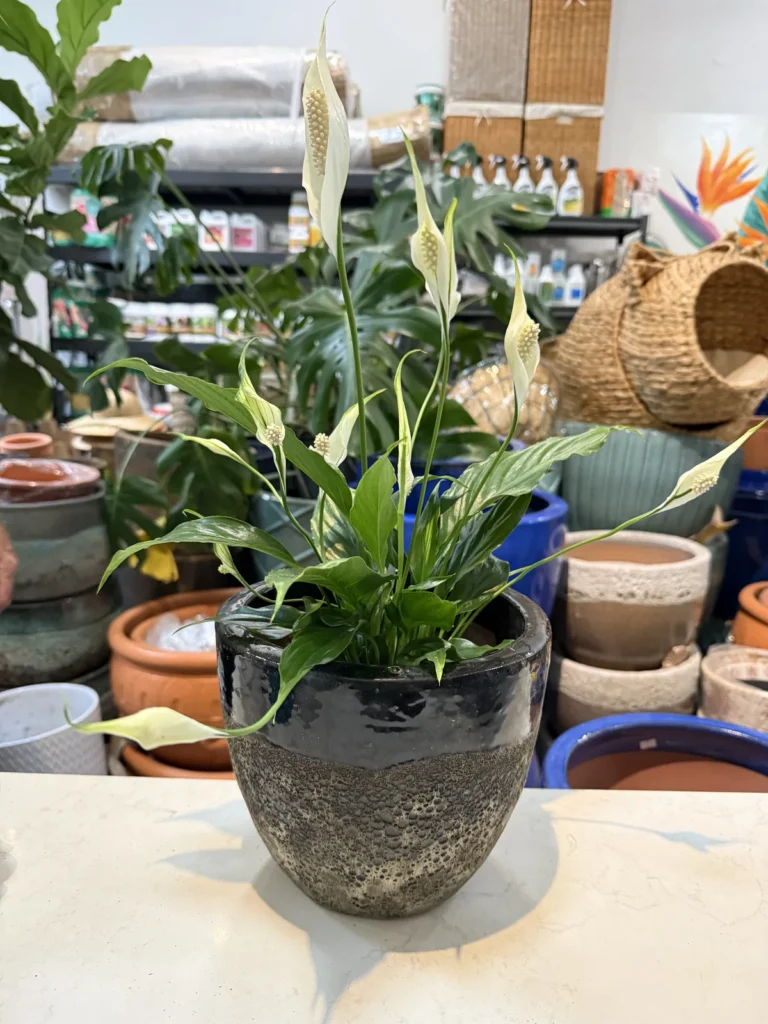
Bring your tropical plants indoors in the first two weeks of September, before the heating comes on. Do that one thing and you skip most of the leaf drop that hits Vancouver homes in October.
This is how we prepare houseplants for winter in Vancouver, in the order the jobs come. It is the list we walk through with people at our counter in Kitsilano. Nine jobs, most of them ten minutes each. When a plant should move closer to the window. How watering changes. When feeding stops. Whether to repot now or wait for spring. And how to get a pot of colour ready for March.
The order matters as much as any single job.
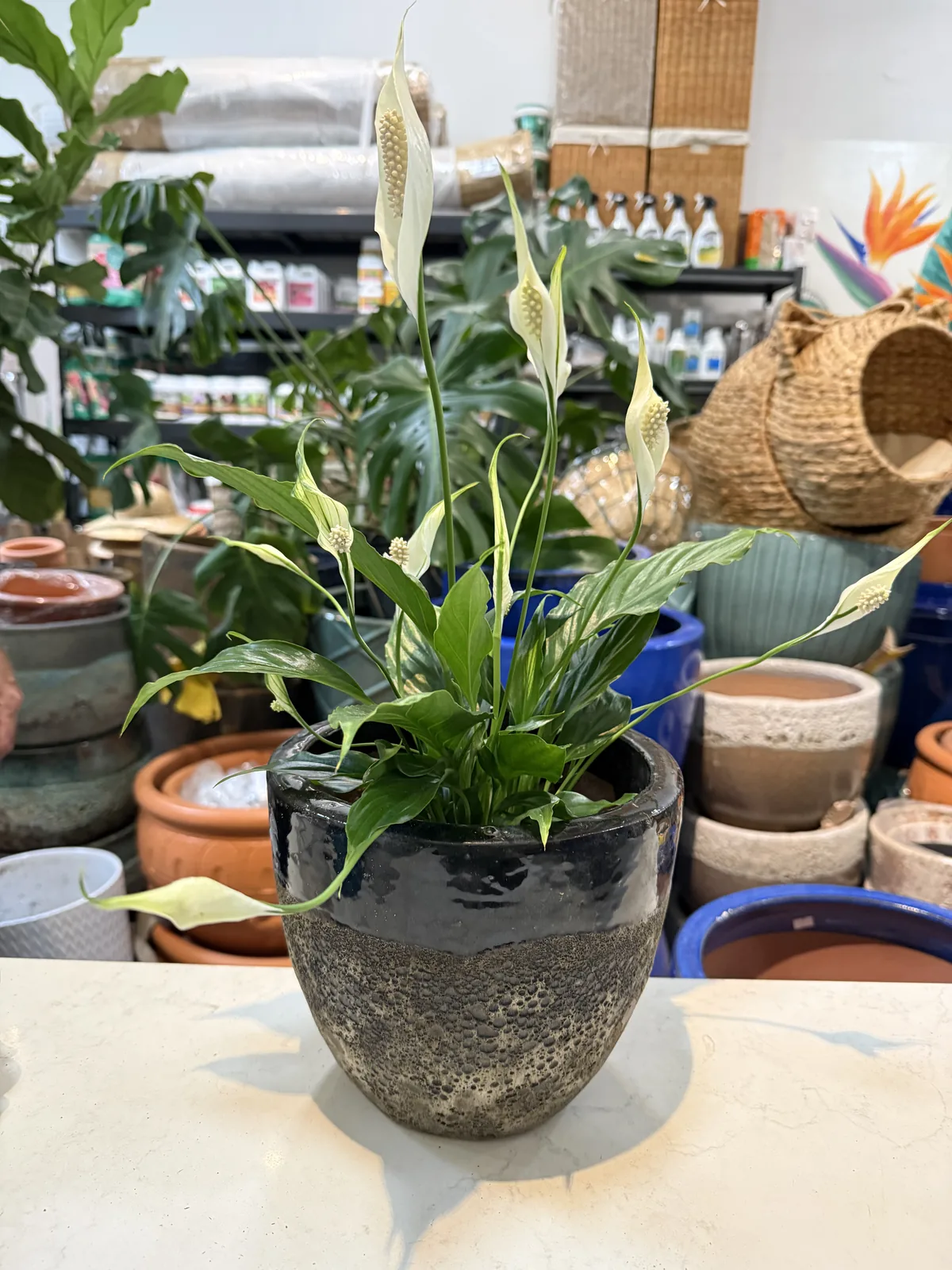
Nine steps to prepare houseplants for winter in Vancouver
- Bring tropical plants in during the first two weeks of September.
- Check every plant for pests before it crosses the door.
- Bring cacti and succulents in a little later, before the rain settles in.
- Move plants closer to the glass, because the winter sun sits low.
- Fix dry furnace air with a tray of damp pebbles or a small humidifier.
- Water less, and lift the pot before you pour.
- Stop feeding from November through February.
- Repot only if the roots cannot wait. March is better.
- Plant a pot of spring bulbs now, so March has colour in it.
How to transition patio plants indoors for fall (steps 1 to 3)
The first three steps to prepare houseplants for winter happen at the door. Bring tropical plants in during the first or second week of September. Move them before the furnace starts. A plant that comes in late meets dry indoor air and weak light on the same day. That is when leaves start to fall.
Check every plant before it crosses the door. Turn the leaves over and look along the stems. You are looking for webbing, sticky patches, small white dots, and anything that moves. Rinse the plant with the hose and let it drain outside.
Keep the new arrivals apart from the others for two weeks, so anything that was hiding shows up in one corner.
Cacti and succulents can wait a little longer than the tropicals. They still come in before the rain settles in. Darrell talks about where to park a cactus once the weather turns in this short on cold weather spots for cactus.
Cuttings and tender perennials are a slightly different job. We wrote that one up in our guide to overwintering plants indoors.
Why do houseplants drop leaves in October? (steps 4 and 5)
Light, almost every time. When you prepare houseplants for winter in Vancouver, light is the job that matters most. Our sun sits low over the coast in winter. At the December solstice it climbs only about seventeen degrees above the horizon, and real sun is rare that month. A plant that had a bright deck in August is suddenly in a dim room.
So move plants closer to the glass. A spot that felt too bright in July is often right in November. South and west windows do most of the work here. A plant a metre back from the glass gets a small share of the light on the sill.
Darrell explains what bright indirect light really means in a short on bright indirect light.
Heating is the second reason. Furnace air is dry air. Most tropical plants are happier when the air sits around 40 to 60 percent. Group plants together, stand them on a tray of damp pebbles, or run a small humidifier in the room you use most.
A heat vent is the usual culprit. Move the pot away from the vent and the plant often picks up on its own. That is usually the size of the fix.
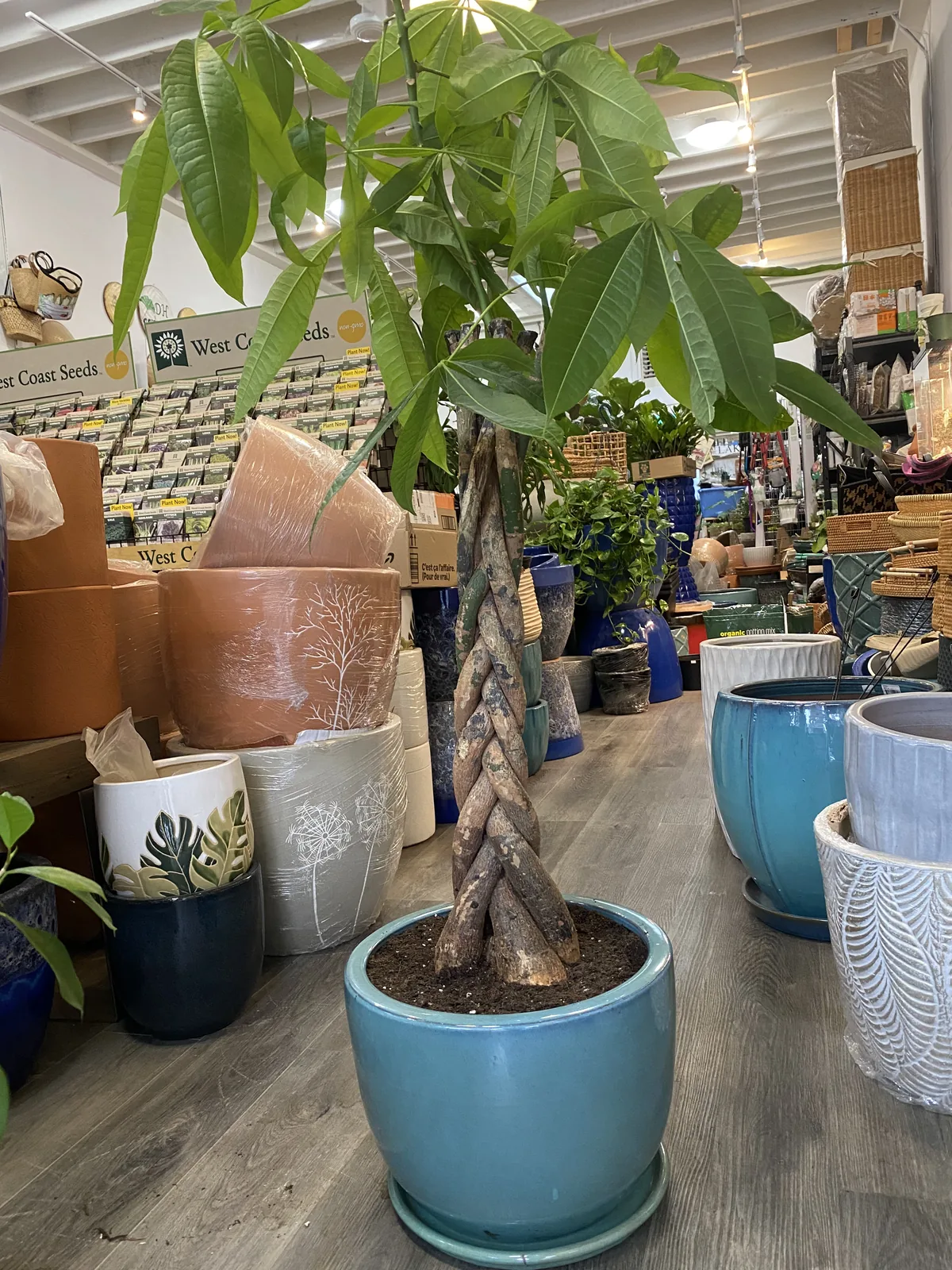
Read the leaves before you change anything. Yellow leaves usually mean the plant went too dry. Brown, soft leaves usually mean it stayed too wet. The two look alike from across the room, and they need opposite fixes.
What are the best indoor plants for low light Vancouver winters?
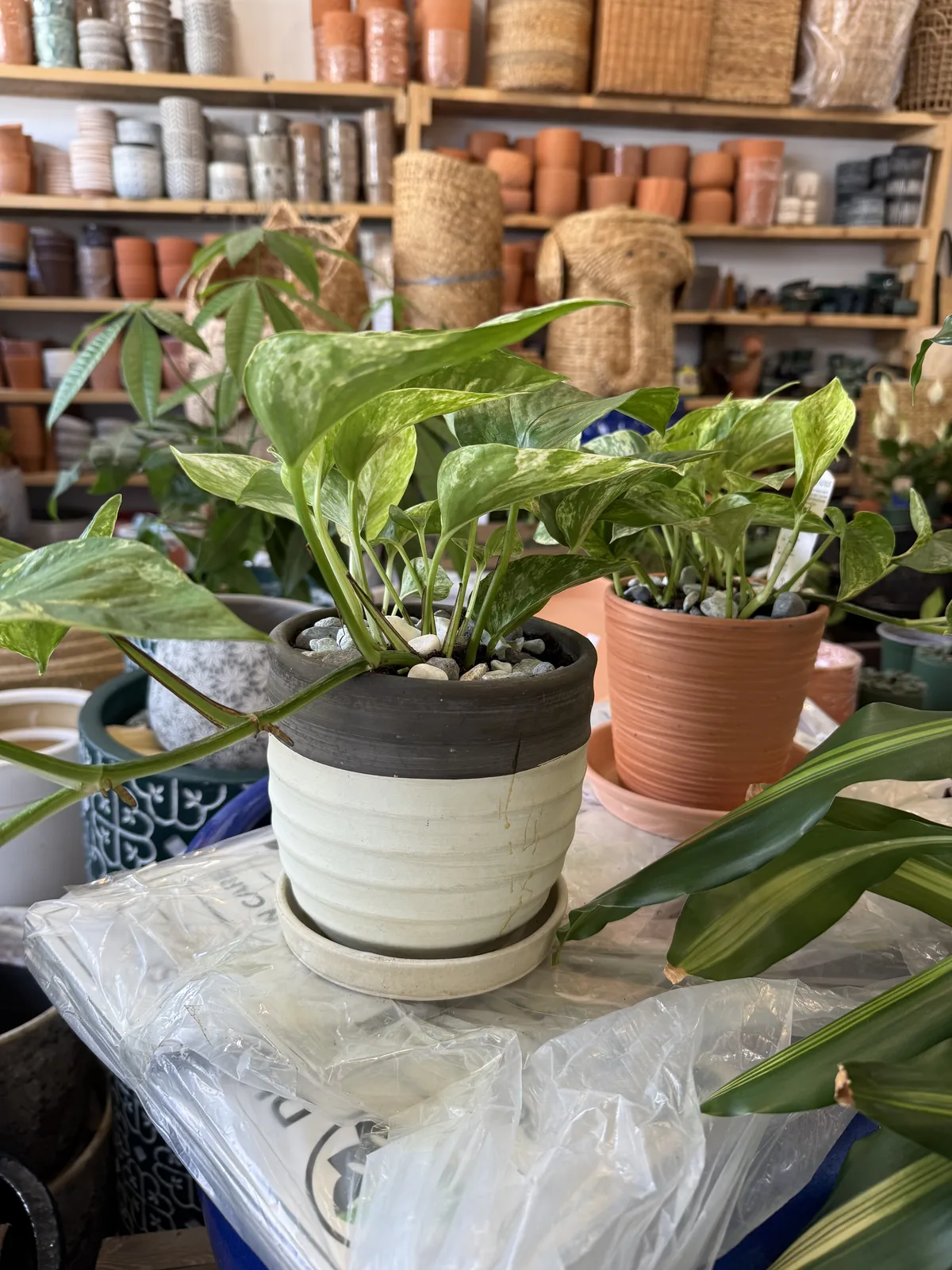
If a corner gets no direct sun from November to February, pick a plant that is used to that. Snake plant, ZZ plant, pothos, peace lily and cast iron plant all get through a Vancouver winter in a north room. They do not grow much until spring, and that is fine.
If you have a cat or a dog, check the plant first on the ASPCA toxic and non-toxic plant list. Cast iron plant is the safe one on this list.
Choosing plants that do not mind the dark is half the job when you prepare houseplants for winter. Water them less than you think. A plant that only wants a drink every two or three weeks in January is the easy kind.
How do I water houseplants in a Vancouver winter? (steps 6 and 7)
Water less often, and check before you pour. Most of the plants that die here in winter were watered on a summer schedule. When you prepare houseplants for winter, this is the step to slow down on. Growth slows right down in October. The schedule that worked in July will drown the same plant in December. The plant is not using the water, so the soil stays wet for days.
The simplest check is weight. Lift the pot when you have just watered it, then lift it again a week later. Your hands learn that difference faster than any meter.
Darrell shows the lift in under a minute.
Dry on top does not mean dry underneath. Push a finger down a few centimetres, or tip the pot and look at the hole. Vancouver tap water is soft and has no fluoride added. You can water straight from the tap. There is more on this in our lesson on watering houseplants through winter.
Drainage is the other half of it. A pot needs a hole, with soil in the pot and nothing else. Gravel in the bottom does not help. It lifts the soggy layer closer to the roots. The one exception is a curved piece of broken clay laid over the hole.
If a plant lives in a pretty pot with no hole, keep the nursery pot inside it. Lift it out to water. If you would rather plant straight into something that drains, a glazed pot with a real drainage hole settles it.
Feeding stops in November and starts again in March. Plants are barely growing through those months. Food they cannot use simply builds up in the soil.
Should I repot before winter? (step 8)
Usually not. Repotting is the one job people do too early when they prepare houseplants for winter. March to May is the window here. Roots take about two to three weeks to settle in spring, and six to eight in winter. Repot now only when the roots are packed solid, the soil has gone sour, or the pot is far too small. The rest, with the five signs to act on, is in when to repot houseplants in Vancouver.
If you would rather not have soil on the kitchen floor in November, we can do that part. If you buy a pot from us, we repot it at the counter and the soil is on us, up to 5 litres. The plant goes home already settled.
Can I plant spring bulbs in a pot on my balcony now? (step 9)
Yes, and fall is when it has to happen. Bulbs come last, and they are the part people enjoy most. It is the one step to prepare houseplants for winter that ends in flowers. Bulbs need cold ground before they flower, so they go in now and sit outside all winter. A pot planted in October can carry a balcony from February to May.
Use a pot with a drainage hole and fill it with potting soil. Raise it off the ground like any other outdoor pot. You can layer bulbs at different depths in the same pot, the big ones deepest and the small ones near the top. Crowding is the usual mistake, and it costs you flowers.
Darrell walks through how much room tulips need in a container.
Crocuses need the same room, and Darrell shows that in a short on spacing crocus bulbs in a pot. They are among the first to open on this coast, often before February is out.
Vancouver sits in one of the mildest plant hardiness zones in the country. That is lovely in January and awkward for tulips, which rarely repeat here. Our timing notes are in when to plant tulip bulbs in Canada.
Squirrels often dig, so plan for them. Choose bulbs they tend to leave alone, such as daffodils, and plant them deep enough. Keep daffodil bulbs out of reach of children and pets. Pin metal mesh over the pot until the shoots come up. Sweep up the papery skins after planting, because that smell is what brings them over.
If you want a pot going before the ground cools, start with the spring bulbs we bring in for fall planting. Then pick a shape you will enjoy looking at in March.
What about the pots that stay outside?
Outdoor pots are a different job from the work you do to prepare houseplants for winter, though they share the weekend. Standing water breaks more pots here than frost does. Make sure every outdoor pot has a working hole. Then lift it off the ground on pot feet or two strips of wood. Air under the base lets it drain and dry between storms.
Take the saucers away for the winter. A saucer outdoors is a bowl, and it keeps roots sitting in water through five months of rain.
Thin decorative pots belong indoors. They are made to hold a nursery pot in a living room. Wet soil through a freeze will break them. The longer version is in can ceramic pots stay outside in a Vancouver winter.
Cozy fall indoor plant decor ideas for small spaces
A small flat in Kitsilano does not have room for ten plants. It has room for one good corner. In a small flat, you prepare houseplants for winter by choosing one corner and doing it properly. One plant at eye level, one on the floor, and a pot that suits the room. That does more than a windowsill full of small pots.
A healthy plant in the wrong pot still looks like something you bought last week. In the right pot it looks like it lives there. That is most of what people mean by cozy. The whole corner, and the light rules for a Vancouver winter, are in a green corner at home.
The part that is not really about the plants
Most people who prepare houseplants for winter are not doing it for the plants. They are doing it for the room, and for themselves.
Many people tell us that looking up from a screen to something green is the one break their eyes get all day. We cannot prove that for you. We can say we hear it every week.
A small 2015 study found that working with plants can calm the body’s stress response. It was a small piece of work with 24 young men, so hold it lightly. You can read the 2015 study on indoor plants and stress yourself.
Winter indoor gardening activities for mental health is something people ask us about more each year. We want to be honest about it. We will not pretend a pot of bulbs does anything medical. What we can say is simpler. Ten minutes with your hands in soil on a dark Tuesday is ten minutes away from a screen. Most people we talk to come back to the room a little lighter.
A plant and a pot that suits it cost less than most things people buy to make a home feel better. They last for years. A plant that dies in the wrong pot is the expensive version.
A room you want to come home to changes the evening. People with a little more left at the end of the day are easier to live with. That is not science. It is what we hear at the counter in February.
What comes with a pot from DH Garden Centre in Kitsilano
If you buy a pot from us, we repot it at the counter and the soil is on us, up to 5 litres. There is no extra charge for the repotting. Here is what else comes with it.
- More shapes and glazes than we have shelf for. Darrell picks them himself in Vietnam, in Bat Trang and Binh Duong. The same pot is not in every store in the country.
- Someone at the counter who matches the pot to your plant, to the light in your room and to the size of the space. Bring the plant, or a photo of the plant and the corner it will stand in.
- The plant goes home already settled, with watering notes for our light and our rain.
- You can bring the plant in any day we are open, 11:00 AM to 6:30 PM. No appointment needed.
- Pots priced fairly for what they are. You can see that on the shelf, not on a screen.
If you would rather prepare houseplants for winter with someone beside you, that is what the counter is for.
We wrote the whole list above, plus the repotting steps, into the free Vancouver Plant Care and Repotting Guide. It comes by email. It was written for this light and this rain.
Frequently asked questions
What is the first step to prepare houseplants for winter in Vancouver?
Bring the tropical plants indoors in the first two weeks of September, before the heating comes on. Check each one for pests on the way in. Everything else on the list, light, water, feeding and repotting, is easier when the plant is already inside and settled before the furnace runs.
Is it too late to bring my plants in if it is already October?
No, bring them in now. Late is still better than never when you prepare houseplants for winter. September is easier because the heating is not on yet. Even so, a plant indoors in October is better off than one out in the cold rain. Check it for pests first, rinse it off, and expect a few weeks of leaf drop while it settles.
How often should I water houseplants in a Vancouver winter?
There is no schedule that fits every pot when you prepare houseplants for winter. Lift the pot instead. If it feels heavy, wait. If it feels light and the soil is dry a few centimetres down, water it well and let it drain. Most winter plant deaths here come from watering on a calendar.
Do I need a grow light through a Vancouver winter?
Most houseplants get through without one if you move them close to a window. A grow light helps in a dark suite or a basement with no direct sun. Move the plant first. Buy a light only if it still stretches and sheds.
Can I still plant spring bulbs in November?
Often yes, as long as the soil in the pot is not frozen. Bulbs in pots want cold ground. A deep freeze is a different thing. A November planting can still flower, a little later than an October one. Plant them, raise the pot, and leave it outside.
Visit us in Kitsilano
DH Garden Centre
3742 W 10th Ave, Vancouver, BC V6R 2G4 (Kitsilano)
Open daily 11:00 AM to 6:30 PM
Phone (604) 929-7335
Directions: https://www.google.com/maps/search/?api=1&query=DH+Garden+Centre+3742+W+10th+Ave+Vancouver
YouTube: https://www.youtube.com/@dhgardencentre
Keep reading


Have a plant question? Bring it to the counter.
DH Garden Centre is at 3742 West 10th Avenue in Kitsilano, Vancouver, open 11:00 to 6:30 every day. Bring the plant, or a photo of the spot you want to fill, and we will look at it with you. If you buy a pot here we repot the plant at the counter, soil included up to 5 litres.
